Booking a lodge in the quiet season can feel like a bargain until you arrive to find a cold bedroom, a lukewarm shower and a spa that closed last month. Lodge heating and hot water are exactly the systems that get dialed back when guest numbers drop, and the listing photos rarely show it. If you know what to check before you pay, you can enjoy the low rates and empty trails without the misery.
This guide walks you through the whole picture: why heating and hot water fail off-season, which heating systems to ask about before you book, how to pin down water supply, pressure and reheat times, the red flags hiding in listings and reviews, the questions to email the lodge ahead of arrival, backup plans if the room runs cold, and a quick checklist to run through before you confirm. A few emails now can save a shivery week later.
Why Lodge Heating and Hot Water Fail Off-Season
Off-season for most alpine and northern lodges runs roughly November to mid-December and April to May, and that is when the deals appear. Shoulder-season rates often run 20-40% below peak prices, which is a genuine saving. The catch is that the discount usually reflects reduced staffing and systems running at minimum capacity, not generosity. Fewer staff on site means slower responses when something breaks, and boilers may be set to idle rather than full output.
There is also a gap between “open” and fully operational. Some lodges close or reduce facilities entirely for 4-8 weeks in shoulder season, so a property that accepts your booking may still have its sauna, restaurant or pool shut. Always ask which facilities are actually running in your dates rather than assuming the website reflects reality.
Heat and water work differently in a half-full lodge
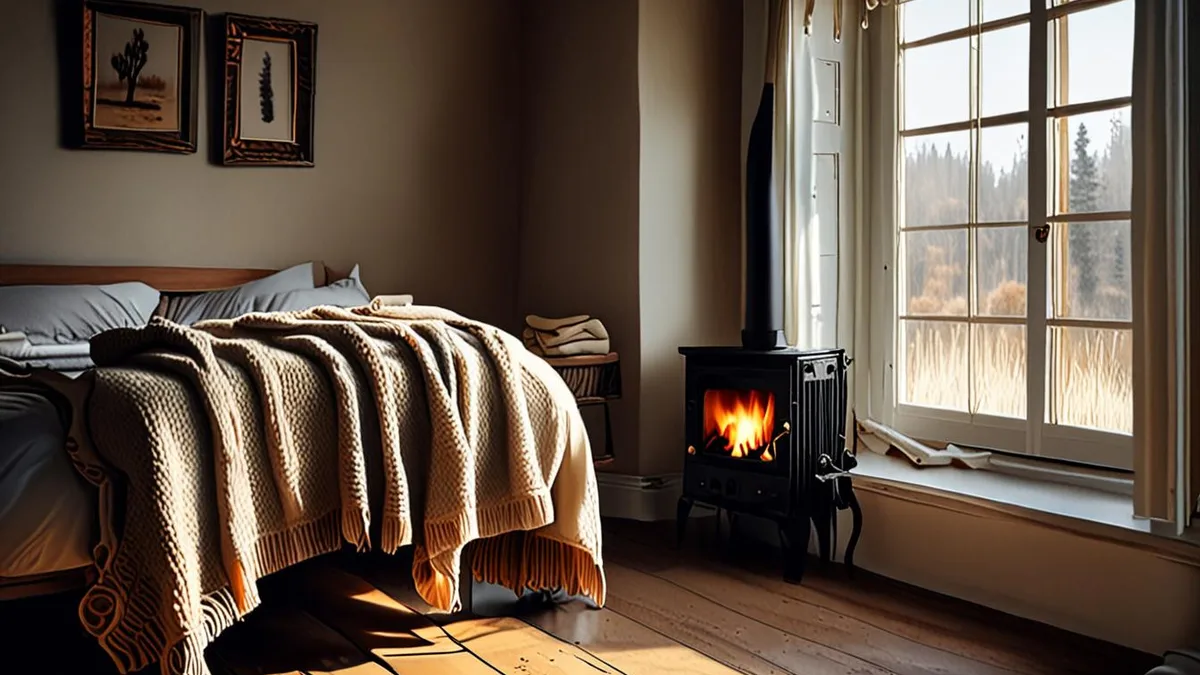
Wood stoves and fireplaces typically heat one main room, not bedrooms. In a busy peak season the surrounding warmth and extra bodies help, but off-season you can end up sleeping in a room that is barely warmer than outside. Ask what heats the bedrooms specifically, not just the lounge.
Hot water is the second weak point. Hot water in rural lodges often comes from tank systems that need 30-60 minutes to reheat after heavy use. If the house is even half full and everyone showers in the morning, the last guests in line may be rinsing off in cold water. Knowing the system type before you book tells you whether to expect this.
Heating Systems to Ask About Before You Book
The single most useful question you can ask a lodge is what actually heats your room. A glowing fireplace photo in the listing tells you about the lounge, not the bedroom where you will spend eight hours at night. Reliable options are individual room thermostats, electric radiators or underfloor heating, because these keep a steady temperature without anyone needing to feed a fire. If the answer is “the fireplace,” treat the bedroom as unheated until proven otherwise. This matters even more in genuinely cold destinations, such as when browsing alpine lodges in Zakopane for winter trips, where a wood stove alone rarely carries a whole property.
Money matters too. In alpine regions especially, heating is sometimes metered separately and added to your bill, so the advertised rate is not the real one. Ask directly whether heat is included, and if it is metered, roughly what a typical off-season stay adds. A lodge that runs its boiler at minimum capacity may also expect you to top up yourself, so clarify how the stove works day to day.
Before paying, get specifics in writing:
- Ask for a photo or written description of the heat source in your exact room type, since a lounge fireplace and a bedroom radiator are not interchangeable.
- If the wood stove is self-service, ask whether firewood is stocked in your room or collected from a shared store, and whether it costs extra per crate or basket.
- If the stove is staff-lit, ask what time it is lit and whether it is relit in the evening, because a morning-only fire leaves the room cold by bedtime.
- Confirm whether electric radiators or underfloor heating exist as backup in the bedrooms, since these are the most reliable option when the stove dies overnight.
Hot Water: Supply, Pressure and Reheat Times
Hot water problems off-season usually come down to one of three things: the system type, the timing of demand, or the distance from the boiler. Start with the system itself. Ask if hot water is tank-based or on-demand. On-demand systems heat water as you use it, so supply is essentially continuous. Tank systems store a fixed volume, and after a full house has showered, a drained tank can take a long while to heat back up. If twelve guests shower before breakfast in a property with one tank, the thirteenth person is in trouble.
Timing is the practical fix. Find out how the lodge handles the morning peak, whether showers are staggered at breakfast or everyone grabs the bathroom first thing. A good lodge will already manage this; a disorganized one will let you discover it in the cold.
Also think about where your room sits in the system. Upper floors and detached cabins often sit at the end of the water line, so pressure drops and the water arrives cooler because it has further to travel. Ask specifically about the pressure and water temperature in your room type, not the property in general.
Finally, ask whether the water is heated by the same boiler as the heating. If one boiler serves both and it fails or is switched to low, you lose hot showers and warm rooms together, which is the worst off-season scenario.
- Ask how many guest rooms share a single hot water tank, since a tank serving six rooms recovers far faster than one serving fifteen.
- If you are in a detached cabin, ask whether it has its own water heater or draws from the main building, because its own unit means independence from the main boiler.
- Request the lodge’s advice on the best shower window in the morning, since staff who manage this daily know exactly when the tank is full.
Off-Season Red Flags in Lodge Listings and Reviews
Off-season reviews are the most honest source of information you will find on a lodge. Peak-season guests are usually too busy skiing or hiking to notice a slow heater, but guests who stayed in November or April had the property nearly to themselves and plenty of time to test the radiators. If you read reviews from the shoulder months and several mention cold bedrooms or lukewarm showers, take that pattern seriously rather than dismissing it as one unlucky stay.
Photos tell a similar story. A listing that shows nothing but sunny summer terraces and green meadows may simply have no good off-season story to show. And if the description never mentions how rooms are heated, that silence often means the answer is not flattering. For a fuller picture of how lodge service shifts through the year, it helps to read a seasonal breakdown of Rocky Mountain lodge stays by season before you commit.
Beyond reviews and photos, watch the wording itself. Certain phrases appear again and again in listings for properties running on minimal off-season service, and once you know them, they jump off the page:
- “Heating available on request” — this means heat is not standard in your room, and you may need to ask staff each day to turn it on or light a stove, which is awkward if reception closes early.
- “Seasonal operation” — this often signals that the lodge shuts some rooms, restaurants or facilities entirely for part of the year, so you may be booked into a property running on a skeleton crew.
- “Reduced facilities” — a catch-all phrase that can cover anything from a closed sauna to a shared kitchen being the only food option, so ask specifically what is closed in your dates.
- No heating type listed at all — a well-run lodge usually advertises underfloor bathrooms or individual thermostats; when that detail is missing, the heat source is often just a lounge fireplace.
Questions to Email the Lodge 2-4 Weeks Ahead
Emailing a lodge a few weeks before arrival is one of the most effective ways to avoid an off-season disappointment. It gives the property time to answer honestly, and it gives you time to change rooms or even change lodges if the answers are not good enough. If you are still deciding when to travel, the guide on when to book lodge stays and how seasons affect prices pairs well with this step. Here is how to structure your questions:
- Time it right. Send your heating and hot water questions 2-4 weeks before arrival. That window is long enough for the lodge to reply and for you to rebook elsewhere if needed, but close enough that the answers still reflect current operations rather than last season’s setup.
- Ask about your specific room. Properties often advertise a cozy lounge fireplace while individual rooms have nothing but a thin radiator. Request the heat source for your exact room type, in writing, not the general property setup.
- Confirm the facilities you booked for. If the sauna, pool or spa was part of your decision, ask directly whether it will be open on your dates. Some lodges reduce facilities for several weeks in shoulder season without mentioning it at booking.
- Get backup heating in writing. Ask whether portable radiators or backup heaters exist and request written confirmation that one can be placed in your room. A verbal “we’ll see” helps nobody on a cold night.
Keep the email short and numbered so staff can answer point by point. Save the replies, because written confirmation is far easier to reference at check-in than a phone call either of you may remember differently. A lodge that answers these questions promptly and specifically is usually a lodge that takes its off-season service seriously, and that alone tells you a lot about what to expect on arrival.
Backup Plans If the Lodge Runs Cold
Even with careful research, off-season lodge rooms can heat slowly, especially after the system has been running at minimum capacity for weeks. The fix is partly about packing and partly about booking strategy. Treat cold-weather self-sufficiency as standard kit rather than an emergency measure, and you will never spend a miserable first night waiting for a radiator to catch up.
Your booking choices matter just as much as your suitcase. A wood-stove-only lodge can be charming in photos, but stoves typically heat one main room, which means bedrooms stay cold until morning. Electric radiators and underfloor heating are the most reliable backup in off-season rooms because they work whether or not staff are on hand to light a fire. A few practical safeguards round this out:
- Layer your sleeping kit. Thermal base layers for sleeping, plus a hot water bottle you can fill from the tap, turn a slowly warming room into a comfortable night even if the radiator needs an hour to catch up.
- Choose main-building rooms. Detached cabins lose heat faster through exposed walls and floors, and they often sit last on the water line, so both warmth and hot water arrive later than in the main lodge.
- Document problems immediately. If the room is genuinely unusable on arrival, photograph the cold radiator or broken heater and raise it at reception before unpacking. Asking for a room move or partial refund is far harder once your bags are open and you have slept there.
- Keep a flexible first night. Plan an easy arrival evening rather than a late-night check-in, so staff are still on duty and you have time to sort out heating issues the same day.
None of this means you should avoid off-season lodges. It means you arrive prepared, book rooms that can hold their own heat, and know exactly what to say if something falls short. That combination turns a bargain-rate stay into a pleasant one rather than a shivering compromise.
Quick Off-Season Checklist Before You Confirm
Staying at a lodge during the low season can mean cold rooms, lukewarm showers and closed facilities unless you know exactly what to check before you pay. The good news is that a few simple steps protect you: confirm the room’s heat source, the hot water system type and its reheat time before paying, since these details decide whether your stay is cozy or miserable.
Then email the lodge 2-4 weeks ahead and get written confirmation of heating, hot water and the facilities you actually booked for. Scan recent off-season reviews for cold-room or water complaints, and weigh the 20-40% shoulder-season saving against the risk of reduced service. Do that, and the low rates become a genuine bargain rather than a gamble. If this helped you plan your trip, leave a comment or share the article with a fellow traveler.