Pod glamping looks like the easiest way into glamping: a small wooden cabin, a lower price than a tent or dome, and no canvas to worry about. But that simple picture raises real questions. What exactly do you get for the nightly rate? Is a pod warm in winter, big enough for your family, and does the advertised price include bedding, showers or a place to cook?
This guide breaks it down. We explain what a pod actually is and how it compares with yurts and safari tents, then look at typical costs and the extras that quietly add up. We cover the comfort you can realistically expect inside, from heating to sleeping arrangements, and identify who pods suit best and who should choose another stay type. You will also find practical booking advice, the regions with the strongest pod networks, and a bottom-line summary to help you decide whether a pod is the right first step into glamping for you.
What Is Pod Glamping and How Does It Differ from Other Stay Types?
A glamping pod is a curved timber cabin, usually around 3.5–4.5 m wide, fixed permanently on a raised platform. Unlike a tent, it has solid walls, a lockable door and real beds waiting when you arrive. You walk in with your bags rather than wrestling with poles and guy ropes, and you do not have to pack anything away when you leave.
That solid construction is the main difference from a yurt or safari tent. Both of those rely on canvas, which needs maintenance, can leak in prolonged rain and loses heat quickly on cold nights. A pod’s timber shell and insulation keep the interior drier and warmer, and there is no flapping fabric when the wind picks up.
Two comfort tiers
Pods come in two broad levels. Basic camping pods are close to a wooden tent: you bring your own bedding and cooking gear, and showers and toilets sit in a shared facility block elsewhere on the site. Insulated glamping pods step up with better construction, heating and often an en-suite bathroom, letting you use them comfortably year-round.
Inside, the layout is usually similar either way: a fixed double bed, bench seating that converts into additional sleeping space, and a small electric heater or wood-burning stove. Larger family versions add bunks and can sleep five or six, though the footprint stays compact.
How Much Does Pod Glamping Cost?
In the UK, pod glamping typically costs £60–£150 per night, which puts it at the lower end of glamping prices. If you compare that with safari tents, domes or treehouses, pods are usually the most affordable way to get a real bed and a solid roof. For a fuller picture of how pods sit against other options, see how much glamping costs by stay type.
What pushes the price up
The biggest jump comes from comfort level. En-suite and premium pods add roughly 20–40% over basic shared-facility pods, so a pod with its own bathroom and better insulation can move you well up the range even at the same site. Location matters too: sites near national parks or the coast often charge more for the same pod spec.
Timing works in your favor. Off-season rates between October and March often drop 20–40%, and insulated pods make those months genuinely comfortable rather than a compromise.
Extras that change the total
The nightly rate is rarely the whole bill. Watch for these common add-ons before you compare prices:
- Firepit hire — often charged per night or per stay on top of the base rate.
- Bedding packs — some sites include linens, others charge per bed.
- Pet fees — dog-friendly pods frequently carry a nightly or per-stay charge.
- Two-night minimums — common on weekends and bank holidays, which doubles the cost of a single-night plan.
What Comfort Level Can You Expect Inside a Pod?
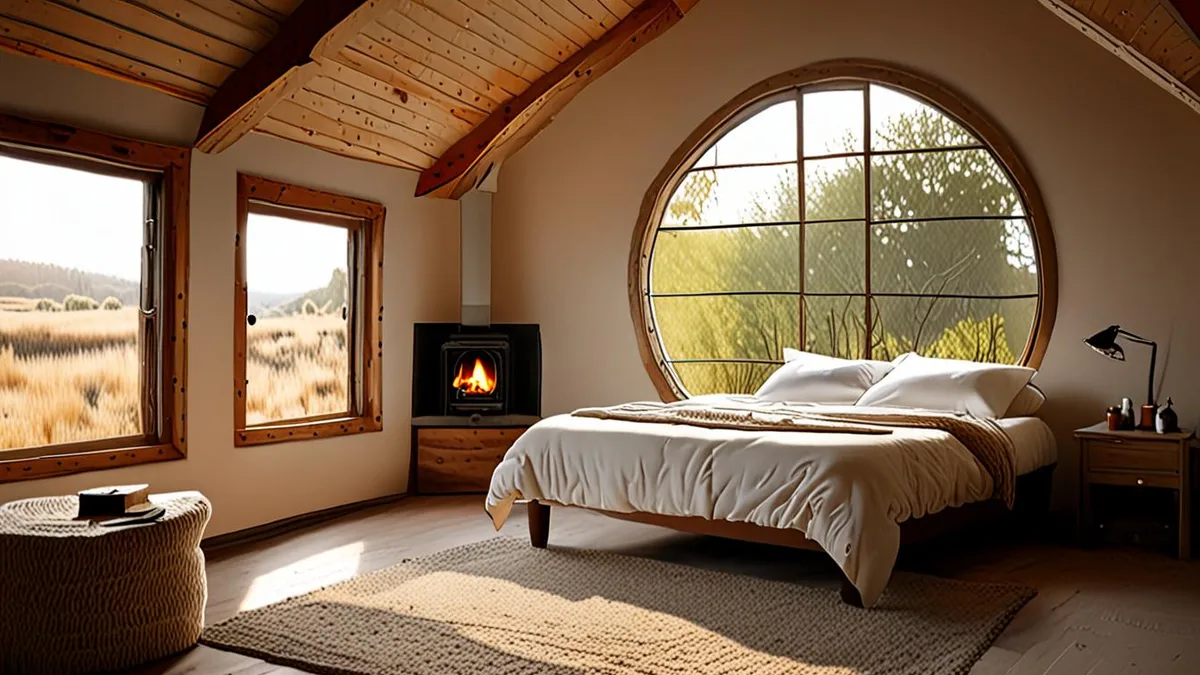
Comfort in a pod depends heavily on which tier you book. Basic pods rely on small electric heaters, which take the edge off but can struggle on genuinely cold nights. Insulated glamping pods, by contrast, hold their warmth well and stay usable through winter — this is the single biggest reason to pay the premium if you are traveling outside summer.
Beds are a genuine highlight: fixed mattresses are standard, so you skip the airbed experience entirely. The catch is bedding, which is often a paid extra rather than included, so check before you pack. Cooking is the other common surprise. Most pods have no kitchen inside, so plan around a shared kitchen block, a BBQ or an outdoor firepit instead.
Space is compact by design. Two adults fit comfortably; four is workable for short stays, especially in family layouts with bunks. Storage is limited, so soft bags beat hard suitcases. If you are bringing a dog, confirm the site’s pet policy in advance — our guide to finding pet-friendly glamping sites explains how to check properly.
- Power sockets are few — bring a multi-plug or charged power bank if several devices need charging overnight.
- Lighting is usually dim — a small reading lamp or headtorch helps once the main light goes off.
- Condensation can build up — crack a vent or window slightly overnight in cold weather to keep windows dry.
- Hot water timing matters — in shared-facility fields, showers can be busiest first thing in the morning, so shift yours to avoid queues.
Who Pod Glamping Suits Best (and Who Should Look Elsewhere)
Pod glamping works brilliantly for a certain kind of traveler, and the first group to benefit is couples. If you want to try glamping without committing to the price of a safari tent or a dome, a pod gives you real beds, solid walls and a lockable door at the friendliest end of the price scale. You get a genuine roof over your head on a rainy night, which makes it an easy first step into the world of glamping.
Families with young children
Family pods sleeping 5–6 people, usually with a bunk layout, can work well for parents with young kids. Bunks are a novelty rather than a chore at that age, and the compact space means everyone stays within earshot. If you are weighing up whether a pod is the right choice for your crew, it helps to read a practical guide to whether glamping is family-friendly before you book, since site facilities vary as much as the pods themselves.
Shoulder-season and winter travelers are another natural fit. Insulated glamping pods hold their warmth in cold weather, so an October or February trip is far more comfortable than the equivalent night in a canvas tent, which cools quickly and never quite dries out. If you like quiet sites, frosty mornings and lower rates, an insulated pod is one of the few glamping options that genuinely makes sense off-season.
Who should look elsewhere
Pods are less suitable if you want room to spread out, a self-catering kitchen inside your accommodation, or a private hot tub without paying a premium. Most pods have no internal kitchen and limited storage, so a week of heavy cooking or a family with a lot of gear will feel cramped. If any of those matter to you, a larger cabin, lodge or tent with more space will suit you better than a pod at the same budget.
How to Book a Pod Glamping Stay
Booking a pod is straightforward, but the difference between a smooth trip and a disappointing one usually comes down to the questions you ask before paying. Pods are small and sites are often compact, so details like bedding, shower distance and heating matter more than they would in a hotel room. A pod that looks charming in photos can feel cramped on a wet evening if you have not checked the layout, the facilities or the fine print. It also pays to think about who is coming with you, since a pod sized for two feels very different once you add children and their gear. Work through these steps in order and you will avoid most of the common surprises.
- Book early for summer weekends. For June–August weekends, aim to book 2–3 months ahead, since the best pods at popular sites fill first. Midweek slots and off-season dates open up much closer to the time, so flexible travelers can often book late and still have choice.
- Check what is actually included. Before comparing prices between sites, confirm whether bedding, towels and firewood come with the pod or are charged as extras. A cheaper nightly rate can quickly lose its advantage once you add a bedding pack and firepit wood for two nights.
- Confirm the distance to facilities. In basic pod fields, shared showers and toilets can be 50–100 m from your pod. Ask where they are and whether there is lighting on the path, especially if you are traveling with children or planning nighttime trips in bad weather.
- Read recent reviews for heat and noise. Pods are often spaced closely together, so look for recent guest comments on how well the heater or stove performs in cold weather and how much noise carries between neighboring pods. Reviews from the same season you plan to travel are the most useful.
Once you have those answers, compare the true total cost rather than the headline nightly rate, and note any minimum-stay rules before you commit. Ask the site directly about anything unclear, since a quick email before booking is far easier than negotiating on arrival. A little digging at the booking stage is what separates a pod stay that feels like good value from one that feels like a compromise.
Where to Try Pod Glamping
You will find pod glamping across much of Britain, but a few regions stand out for the sheer number of sites. Wales, Scotland and the Lake District have the densest pod networks in the UK, which means more choice, more competition on price and a better chance of finding a last-minute midweek slot. If pods are new to you, starting in one of these strongholds makes the first trip easy to arrange.
Where the scenery-to-price ratio is best
Sites on the edges of national parks and along the coast consistently offer the best scenery for the money. You get the walking trails, dark skies and sea views that make the location special, without paying the premium that often comes with accommodation right in the heart of a park. A pod a short drive from a trailhead or a beach usually costs less than a lodge with the same view and gives you most of the same access.
Planning a winter pod trip
If cold-season travel appeals, choose carefully. Winter trips work best at sites that specifically advertise insulated, year-round pods, because these models hold their warmth and stay comfortable when basic pods do not. Look for wording like “year-round” or “all-season” in the listing, and check recent reviews from winter guests to confirm the heating copes in practice. A well-insulated pod in January can be genuinely cozy; a basic pod in the same conditions rarely is.
Whatever the season, it pays to browse a few sites in your chosen region before booking, since pod quality and site facilities vary widely even within the same area. Check current availability and details directly with the site before you commit.
The Bottom Line on Pod Glamping
Pod glamping is the budget-friendly end of the glamping scale, with UK rates typically running £60–£150 per night. What you actually get for that price depends on the pod you pick: a basic model means real beds and lockable doors but shared facilities, while insulated, en-suite pods cost roughly 20–40% more and deliver a far more comfortable stay, especially in colder months.
As for who it suits, pods are a strong match for couples, small families and off-season travelers who pack light and don’t need a kitchen or lots of space. If you’re set on a summer weekend, plan 2–3 months ahead. If that sounds like your kind of trip, leave a comment or share this article with a fellow traveler.