If you’ve ever peeked at photos of a transparent geodesic dome perched on a hillside, you’ve probably wondered the same thing many travelers do: are glamping domes hot in summer, or does all that curved, see-through surface turn the whole thing into a greenhouse the moment July arrives? It’s a fair concern. Nobody wants to book a dreamy night under the stars only to lie awake sweating at 2pm, let alone at 2am.
The honest answer is that domes can heat up, but how hot they actually get depends almost entirely on design and site choices. In this guide, we’ll walk through why domes warm up in the first place, which ventilation features keep air moving, when air conditioning is worth paying for, and how to pick a pitch that stays cool naturally. We’ll also cover what to pack for a summer stay and the exact questions to ask before booking, so you can sleep comfortably instead of guessing.
Why Glamping Domes Heat Up in Summer
Glamping domes heat up in summer for a simple reason: their shape and materials work like a greenhouse. The curved shell is often made with transparent or semi-transparent panels, so sunlight passes straight through and warms the air inside. Once that heat is in, the sealed, rounded design makes it harder for it to escape than it would be from a tent with open flaps or a cabin with windows on every wall.
This greenhouse effect is most noticeable on bright, sunny days. Without ventilation, dome interiors can run 5-10°C warmer than the outside shade temperature, which turns a pleasant 25°C afternoon into an uncomfortable interior. The difference is real enough that it should shape when you plan to be inside your dome.
When the heat peaks
Heat builds fastest between midday and late afternoon, roughly 12pm-4pm, when the sun is highest and its rays hit the dome most directly. During those hours, a poorly ventilated dome can feel like a conservatory, especially one with large clear panels facing the sun. Early morning and evening are far more forgiving, which is good news if you plan to spend your days hiking, swimming or exploring and only return to the dome to relax and sleep.
The takeaway isn’t to avoid domes in summer. It’s to understand that the shell that makes them so charming is also what traps heat, and that ventilation, covers and site selection all matter enormously. The next sections explain exactly which features separate a cool, comfortable dome from a sweltering one.
Ventilation Features That Keep Domes Cool
Ventilation is the single biggest factor in whether a summer dome stay feels comfortable or stuffy. Because hot air rises, a well-designed dome uses openings at different heights and on different sides to keep air moving through rather than sitting still. When comparing sites, the features below are the ones that matter most, and they’re also useful for understanding how domes differ from other glamping structures like safari tents and yurts, as we explain in our guide to glamping dome designs compared with safari tents and yurts.
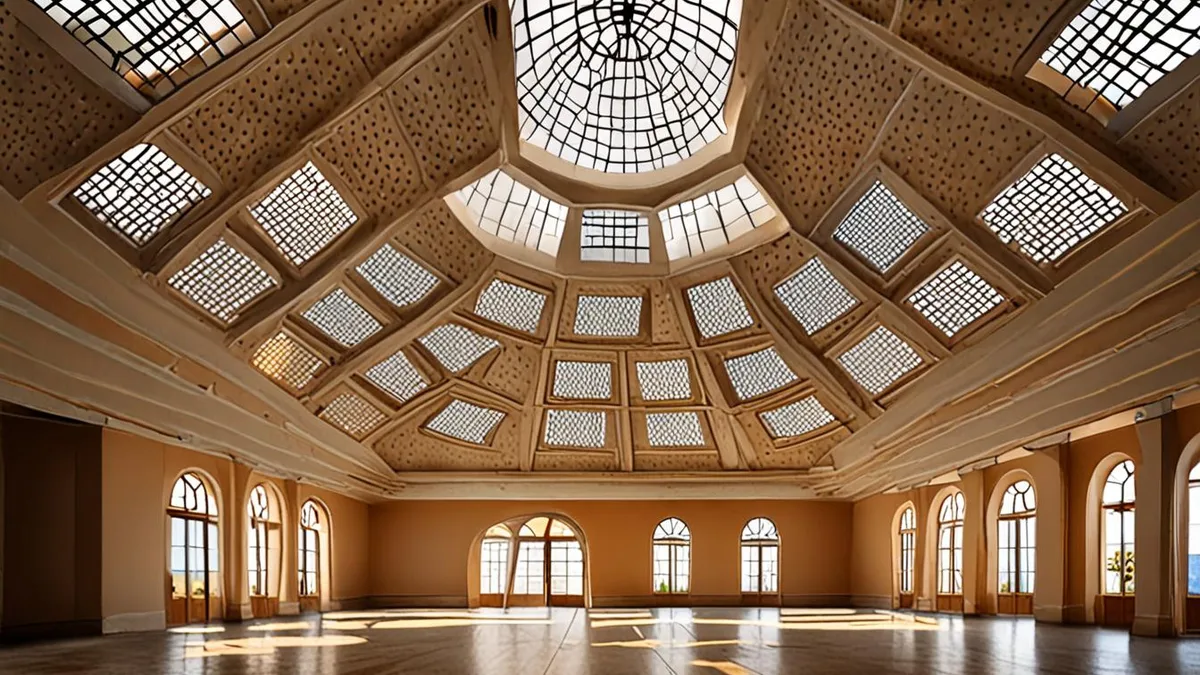
Look for mesh windows on opposite sides of the dome, since paired openings create cross-ventilation that pulls air in one side and out the other. Roof vents or chimney-style openings at the top are just as important, because they give rising hot air an exit instead of letting it pool at the ceiling where you’re trying to sleep. Together, these two features can lower the perceived interior temperature by several degrees.
- Mesh panels that keep insects out: Because the windows stay open day and night, fine mesh screening means you get continuous airflow without sharing your bed with mosquitoes or moths.
- Adjustable roof vents: The best domes let you open or close the top vent from inside, so you can fine-tune airflow as conditions change between a hot afternoon and a chilly 3am.
- Reflective or UV-stable covers: Quality domes use heat-reflective, UV-stable covers that block a large share of solar gain, so less heat enters in the first place compared with fully clear panels.
- Overnight airflow policies: Some sites leave doors or panels partially open while you sleep, keeping air moving through the dome rather than sealing it shut after your evening check-in.
If a listing doesn’t mention any of these features, treat it as a red flag for summer stays. A dome with clear panels and no roof vent will always struggle in July, no matter how pretty the photos look.
Air Conditioning and Active Cooling Options
Ventilation alone can only do so much on a scorching afternoon, which is why many dome operators add active cooling. At premium dome sites, roughly half offer air conditioning or portable AC units during summer, and at those properties the difference is dramatic: you can walk in from a hot afternoon and the dome feels like a hotel room rather than a greenhouse.
Fans: the mid-range standard
At mid-range sites, ceiling or standing fans are the most common cooling option. Fans don’t lower the actual temperature, but moving air makes a warm dome feel noticeably more comfortable, especially overnight when outside temperatures drop and a gentle breeze across the bed is often all you need to sleep well. If a site lists fans but not AC, that’s usually a reasonable setup for most summer climates, provided the dome also has decent ventilation.
Check what’s actually included
Here’s where a little homework pays off: ask specifically whether cooling is included in the rate. Some sites charge extra for air conditioning, and others only switch it on once outdoor temperatures pass a certain threshold, which may not match your personal comfort level. A unit that exists but sits switched off on a mild 28°C day won’t help if you sleep hot.
This is also a fair moment to compare overall value, since cooling can shift what a stay really costs. Our breakdown of what glamping costs by stay type shows how extras like AC fit into the bigger pricing picture. A dome that looks slightly pricier but includes proper cooling can end up being the better deal for a July or August trip.
How to Choose a Cooler Dome Site
Where a dome is pitched matters almost as much as how it is built. A dome sitting in open grass under full sun absorbs heat all day, while one tucked under a forest canopy or set against a north-facing slope can stay noticeably cooler even with the same shell and the same weather. Trees and hillside shadow block direct sun during the hottest hours, which takes a real load off the dome’s ventilation system.
Water and elevation help too. Lakeside and coastal pitches usually catch steady natural breezes that push hot air out and pull cooler air in, and elevated sites often sit above the warmest, stillest air of the valley floor. If you are booking in a region with altitude options, a dome higher up in the mountains will typically keep summer nights cool enough for solid sleep, even when daytime temperatures climb.
- Ask how far the dome sits from the tree line or water: a pitch with open exposure to the west will catch low afternoon sun right when heat peaks.
- North-facing slopes in the northern hemisphere get the least direct midday sun, so domes oriented that way warm up more slowly after sunrise.
- Valley bottoms can trap cool night air but also hold heat during the day, while ridge-top domes trade daytime heat for windier, sometimes noisy nights.
- If you plan to bring a dog, a shaded forest pitch also keeps the ground cooler for paws, and it’s smart to confirm pet rules in advance through a quick check of whether glamping sites are pet-friendly before you book.
What to Pack and How to Prepare for a Summer Dome Stay
Smart packing for changing temperatures
One of the surprises of dome glamping is how quickly the temperature swings. A dome that feels stuffy at 3pm can be pleasantly cool by 10pm, because the curved shell releases heat fast once the sun goes down. Pack lightweight, breathable bedding layers — a cotton sheet or duvet cover you can add or remove — rather than a single heavy sleeping bag. That way you can adapt as the evening cools.
Timing your day around the heat helps just as much as what you bring. Most summer discomfort happens between roughly 12pm and 4pm, so plan hikes, swims and sightseeing for mornings and evenings, and treat the early afternoon as downtime. If you must be inside the dome at midday, two small items make a real difference: a compact battery-powered fan keeps air moving over you, and a refillable water bottle keeps hydration easy without repeated trips to a shared kitchen or tap.
A few extra habits that help
Close mesh screens during the day to keep insects out while vents stay open, and crack a window or door panel before you turn in so air keeps circulating overnight. If the site allows it, park any shade canopy or umbrella on the sunniest side of the dome in the afternoon. None of these take more than a minute, but together they take the edge off the hottest hours and make the whole stay more relaxed.
Questions to Ask Before Booking a Summer Dome Stay
A few well-chosen questions before you pay a deposit can save you from sweaty nights and disappointment. Dome sites vary widely in what they install, and cooling is not always included in the headline price. Some hosts list “climate control” in their descriptions when all that means is a single small fan, so it pays to dig deeper. Ask these questions in order, and take notes on the answers so you can compare sites fairly side by side.
- Ask about cooling equipment. Find out whether the dome has air conditioning, portable AC units, ceiling or standing fans, and roof vents. Then ask the follow-up that matters most: is cooling included in the rate, or is there a surcharge?
- Ask how cooling is operated. Some sites only switch on AC above certain outdoor temperatures, or control it centrally rather than letting guests adjust it. Knowing this in advance avoids frustration on a hot afternoon.
- Confirm orientation and shade. Ask which way the dome faces and whether trees or structures shade it during the afternoon. A dome in full sun heats up much faster than one with afternoon cover.
- Check the ventilation setup. Ask whether mesh windows sit on opposite sides for cross-ventilation and whether the roof vent can be opened and closed by guests.
- Read recent summer reviews. Look for reviews written during the June through August season and search them for mentions of night-time temperatures, sleep quality and how the site handled heat waves.
If a host answers these questions promptly and specifically, that’s usually a good sign of an operationally switched-on site. Vague answers like “it’s usually fine” are worth a second look — a site confident about its cooling setup will generally tell you exactly what’s installed and how it works. Where possible, get the key details confirmed in writing, either by email or in the booking notes, so there’s no confusion on arrival. Asking for a photo of the dome’s interior can also help, since you’ll often spot fans, vents or an AC unit without having to ask directly.
When two sites cost similar amounts, the one with clear answers about ventilation and included cooling is usually the safer bet for a summer stay. And if a host admits their domes run warm but explains what they do about it — extra fans, shaded decks, honest expectations — that candor is often more reassuring than a glossy listing that promises everything and explains nothing.
The Bottom Line on Summer Dome Comfort
So, can you sleep comfortably in a glamping dome in July? Yes, provided you pick the right site. Domes can get hot in summer, especially during the midday and late afternoon hours, but that heat is manageable when a dome has proper ventilation. Mesh windows, roof vents and heat-reflective covers make the biggest difference, and air conditioning is common at premium sites.
The key is to book smart. Choose a dome pitched in shade, ask about cooling and ventilation before you reserve, and check recent reviews for mentions of night-time comfort. Do that, and a summer dome stay can be a cool, restful experience rather than a sweaty one. If you have stayed in a dome during peak summer, share how it went in the comments, or pass this article along to a friend planning a trip.