You booked the glamping trip, the photos looked perfect, and then a simple question stopped you: will you be cooking your own dinner over a fire pit, or sitting down to a catered meal in a dining lodge? The answer changes more than you might expect. Glamping meal options affect your budget, your packing list and even how far you drive on arrival day, so it pays to know exactly what you’re getting before you check in.
This guide walks through the full range of glamping meal options, from self-catering units with a basic kitchenette to half board and full board plans at lodge-style sites. We’ll cover what kitchens and equipment you can realistically expect, how hampers and pre-arrival grocery boxes work, what catered plans cost on top of your accommodation, and how to choose the right meal plan for your trip style and season. By the end, you’ll know what to ask when booking and what to put in the car.
What Glamping Meal Options Actually Look Like
Glamping meal options vary far more between sites than most first-timers expect. Some operators hand you the keys to a unit with a working kitchen and leave you entirely to your own devices, while others run something closer to a small hotel with set dinner times and a fixed menu. Many sites sit somewhere in between, offering add-ons you can bolt onto a self-catering stay, such as a breakfast delivery or a stocked food box waiting in your unit.
The key is to ask which of these models applies before you book, because the difference shows up in your budget, your packing list and your arrival-day routine. A site with a full kitchen means planning groceries and checking how far the nearest decent supermarket is, while a catered option means confirming meal times and any dietary needs well ahead. Here are the five arrangements you’ll most commonly encounter:
- Self-catering: you buy and prepare all your own food, usually in a private kitchenette or a dedicated outdoor cooking area, which means planning a grocery run before or during your stay.
- Breakfast-only add-ons: the site delivers fresh bread, eggs and local produce to your tent each morning, or serves a set breakfast in a shared lodge, leaving lunch and dinner in your hands.
- Hampers and pre-arrival grocery boxes: you order a food pack in advance and it’s already stocked in your unit when you arrive, so you skip the first shop entirely.
- Half board: breakfast plus one evening meal are included, typically served at a set time in a communal dining space such as a lodge or dining barn.
- Full board: all meals are provided, an arrangement most common at lodge-style and resort-style glamping sites where dining is part of the overall experience.
None of these is better across the board. A family with young children often prefers the flexibility of self-catering, where mealtimes can shift around naps and rainy afternoons, while a couple on a short romantic break may happily pay more for catered dinners and a fire pit evening. Remote sites with few restaurants nearby can also make a catered plan the more practical choice. What matters most is knowing which model your chosen site actually runs before you pay, so ask directly when booking and confirm exactly what each option includes.
Self-Catering: What Kitchens and Equipment to Expect
Most self-catering glamping units keep the kitchen deliberately simple. The typical setup includes a two-ring hob, a small fridge and a sink, with basic cookware sized for 2-4 people. Outside, you’ll usually find a fire pit or barbecue, which often becomes the real heart of the cooking at safari tent and yurt sites during the May-September season.
Check the basics before you pack
Here’s the detail that catches people out: some sites provide pantry staples like oil, salt, coffee and washing-up liquid, while others expect you to bring every last item. A quick message before you go settles it. There’s nothing fun about arriving at a remote site after dark and realizing you have no cooking oil for the pan. Our complete glamping packing checklist covers the kitchen items that are easy to forget.
Plan meals around the equipment you have
With two hob rings at most, elaborate multi-pan recipes are off the table. One-pot dishes such as stews, pastas and curries work brilliantly, and anything you can grill over the fire pit keeps things simple. If the fire pit is shared with other guests, plan flexible mealtimes rather than a rigid dinner hour. Finally, expect the nearest full supermarket to be a 20-45 minute drive from rural sites, so do a proper shop before you arrive rather than relying on a tiny village store for the essentials.
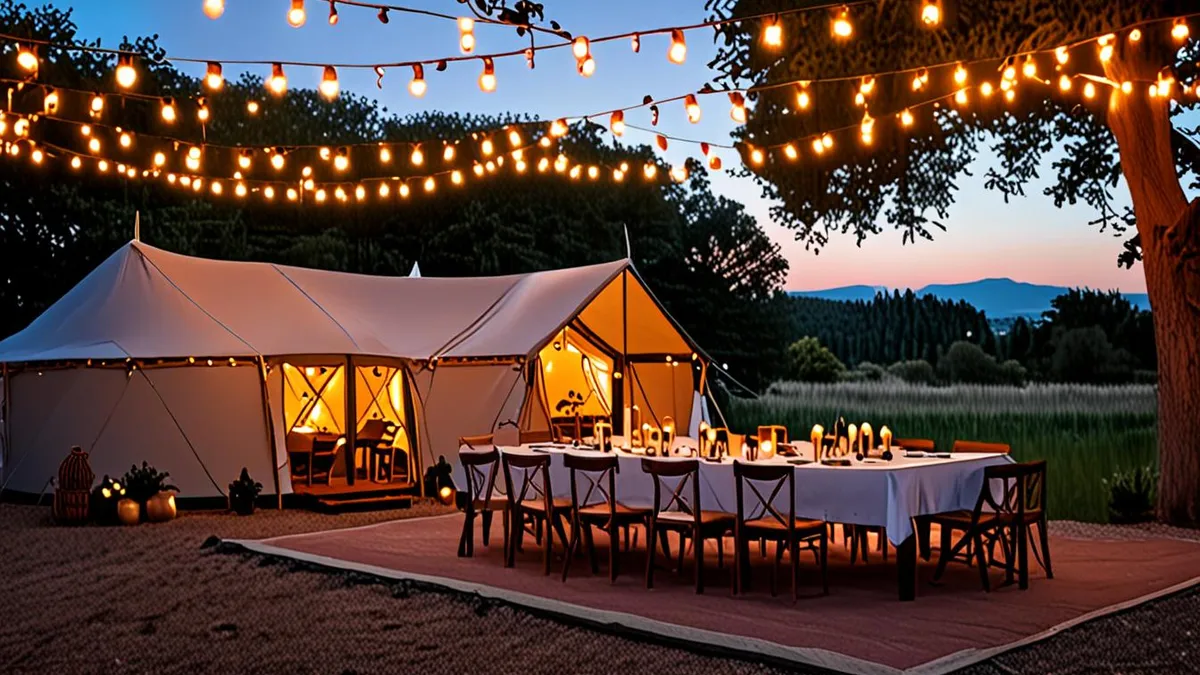
Hampers, Grocery Deliveries and Pre-Arrival Food Orders
If you like the idea of self-catering but dread the first shop on arrival day, hampers and pre-arrival grocery boxes solve exactly that problem. You order in advance, and the site stocks your unit with food before you get there, so the kettle, bread and eggs are waiting when you walk in. It’s the closest thing to a stocked holiday cottage, minus the cottage.
Timing matters more than most people realize. Sites offering hampers or grocery boxes typically require ordering 3-7 days before arrival, so this isn’t something you can arrange the night before you travel. Once the deadline passes, many operators simply can’t fit your order into their supply run, especially where food comes from small local producers rather than a wholesale delivery.
Typical contents lean local and practical: fresh bread, cheese, eggs, milk and coffee, and sometimes a ready meal for the first night so you don’t have to cook after a long drive. Prices vary by site and hamper size, so ask for the current rate and what’s included before you commit. It’s often a fair trade for skipping a supermarket detour on a travel day, particularly on rural sites where the nearest store isn’t around the corner.
A few practical questions to ask when booking:
- Delivery windows: if you arrive late, check whether the site stocks units before a set check-in time, because some only deliver hampers during daytime hours.
- Substitutions: ask what happens if an item is unavailable, since small producers and seasonal supply can mean swaps rather than refunds.
- Storage: confirm your unit’s fridge size, because a hamper built for several days can overwhelm a small under-counter fridge.
One more tip: if you’re traveling with a dog, check how pet-friendly the site is before ordering perishables, since some pet-friendly accommodations have shared kitchens or different food storage arrangements. Our guide on how to find out whether a glamping site is pet-friendly covers what to look for.
Half Board and Full Board: How Catered Glamping Works
Catered glamping works much like a small hotel: the site handles the food, and you simply turn up at the right time. The most common setup is half board, which covers breakfast plus one evening meal. Breakfast is usually served in a communal lodge or dining barn, and the evening meal typically runs between 6-8pm, so plan your days around that window rather than expecting room service at whatever hour you fancy.
What full board adds
Full board takes things further by covering all your meals, and it generally adds roughly £30-£60 per person per day on top of the accommodation rate. You will mostly find this kind of catered setup at larger glamping operations with a proper kitchen team on site, the sort of places that run more like a boutique hotel than a farm field with tents. If you are comparing quotes, check whether drinks are included, as this varies between sites.
One thing to understand before booking: menus are often set with limited choice, and they may not flex for allergies unless you notify the site in advance. A single set menu for the whole lodge is normal, so if you have dietary requirements, mention them when you book rather than on arrival.
Catered plans shine on honeymoon-style and lodge-based stays where dining is part of the experience rather than a chore. Sharing a long dinner in a dining barn, with nothing to cook or wash up, is exactly the treat many couples are after. If that sounds like your kind of trip, it is worth reading up on what to look for in a glamping site for a honeymoon before you choose.
How Glamping Meal Options Change the Total Cost
Meal plans can swing your total trip cost more than most people expect, so it pays to run the numbers before booking. The headline is simple: self-catering stays typically run 20-40% cheaper per night than full board equivalents at the same site tier. Over a week, that difference can cover a decent chunk of your activities or transport.
Budgeting food separately
If you go the self-catering route, treat food as its own line item rather than assuming the savings are pure profit. Two people cooking for a weekend will still spend a meaningful amount on groceries, especially if you include a few treats like local cheese and a bottle of wine. Even so, you usually come out well ahead of a catered rate, as long as you actually use what you buy and avoid wasting food.
Do not forget the hidden cost of getting that food. When the nearest full supermarket is 20-45 minutes’ drive away, a mid-week top-up shop means a round trip plus fuel money. Most self-caterers solve this with one big shop before arrival and a well-planned menu, rather than popping out whenever the fridge looks empty.
Finally, compare like for like. In remote areas with few or no restaurants, a catered rate can actually beat self-catering plus eating out, since the alternative to cooking may be a long drive to the nearest pub every night. Weigh the catered premium against what you would realistically spend on restaurant meals, not against an idealized budget where you cook every single meal.
Choosing the Right Meal Plan for Your Trip
The right meal plan depends less on price and more on how you actually travel. A family with fussy eaters needs something very different from a couple celebrating an anniversary, and a summer safari tent trip is a different proposition from a winter lodge escape. The good news is that glamping meal options break down into a handful of clear choices, and once you know what each one involves day to day, the decision gets much easier. Work through these steps before you book rather than after you have paid a deposit.
- Match the plan to your travel group. Families usually do best with self-catering, since flexible mealtimes and familiar food matter most when kids are involved. Nobody wants to drag a tired toddler to a 7pm sitting in a dining barn. Couples and groups of friends, on the other hand, often enjoy the social side of a shared lodge meal.
- Consider full board for special occasions and remote spots. Honeymoons, winter stays and remote sites where restaurants are scarce are where catered plans earn their keep. Cooking over a fire pit in the rain loses its charm quickly, and a hot dinner waiting for you after a long day outdoors is worth the premium.
- Declare dietary requirements at booking. Confirm allergies and intolerances when you reserve, not on arrival, especially for catered plans. Set menus need lead time to adapt, and sites can rarely improvise on the day.
- Check the season before relying on outdoor cooking. Communal campfire cooking is common at safari tent and yurt sites in the May-September season, so if your trip falls outside that window, make sure your unit has a proper indoor hob rather than counting on the barbecue.
Once you have honest answers to those four questions, the right option usually picks itself. Book the plan that fits how you want your evenings to look, and the food becomes part of the trip rather than a logistics problem.
Wrapping Up: Matching Your Meal Plan to Your Stay
So the answer to that pre-trip question is simple: check which meal option your site offers before you pack. Glamping meal options run from fully equipped self-catering kitchens to catered plans where the site feeds you, and each one changes both your budget and what goes in the car. Self-catering saves roughly 20-40% per night, but it means planning your shopping around a store trip that can take 20-45 minutes from a rural site. Catered plans add about £30-£60 per person per day and remove all the cooking work, which suits honeymoons, winter stays and remote locations.
The right choice really comes down to your trip style, the season and how remote the site is. If you know which plan your booking includes, you can pack the right kit and budget with confidence. If this helped you sort out your own glamping meal plan, leave a comment or share the article with a friend planning a trip.