Sleeping on the water sounds like the best of both worlds: hotel-level comfort with a view that changes with the light. But once you start comparing options, floatel and houseboat glamping raises questions that land-based glamping never does. What actually changes when your accommodation floats? How do power, water, and booking logistics differ from a tented suite in a field?
This guide walks through how floatels and houseboats compare, what a typical stay costs, and when to book for the best water and weather. We also cover onboard practicalities like power and sleeping arrangements, safety basics for first-timers, and how to vet an operator before you commit. Whether you’re picturing a moored cabin with a morning coffee deck or a cruiser you pilot yourself, you’ll know what to expect before you step aboard.
Floatel vs Houseboat Glamping: What Each Type Offers
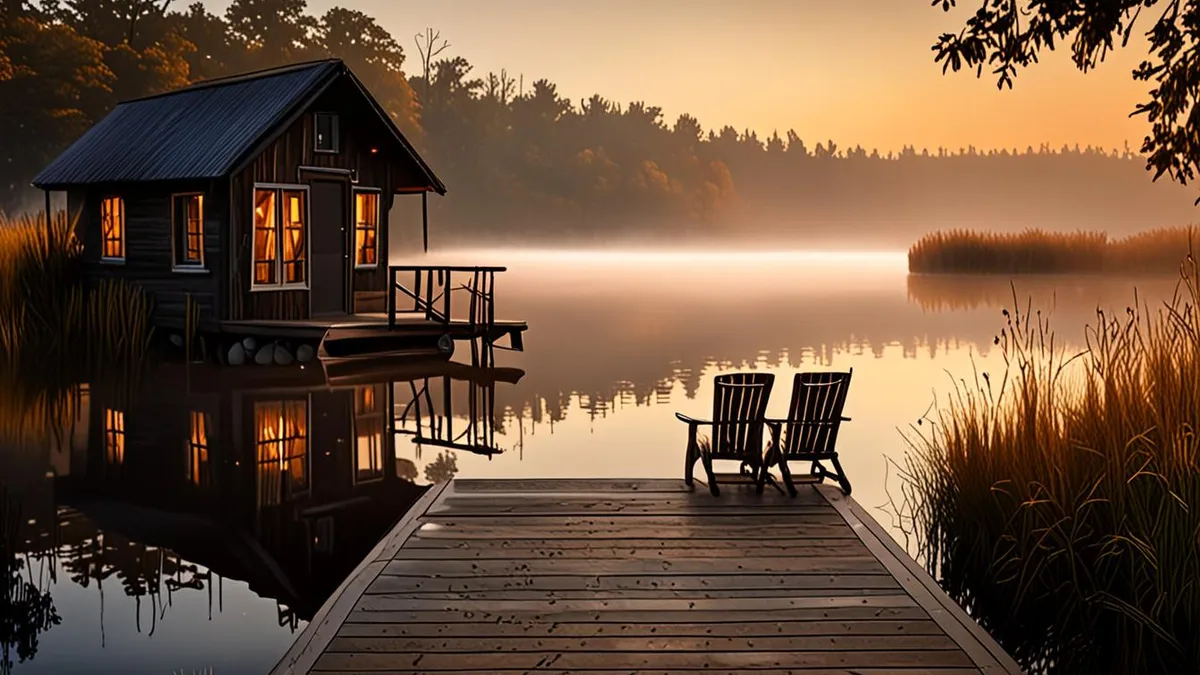
The two water-stay types look similar from shore, but they offer noticeably different experiences. A floatel is a permanently moored floating cabin or lodge-style platform. Think of it as a hotel that happens to sit on water, often with hotel-style service, fixed decks, and staff handling the practical side of things. You arrive, settle in, and never touch a tiller or a mooring line.
Houseboat rentals sit on a broader spectrum. At one end, you’ll find stationary moored cabins that work much like floatels — you stay put and enjoy the view. At the other end are cruisable boats you pilot yourself, puttering along lakes, canals, or slow rivers at your own pace, choosing your own coves and moorings.
Comfort levels vary widely
A basic houseboat may have a compact kitchen and shared sleeping areas, which suits travelers who plan to spend their days outside. Luxury floatels go further, adding en-suite bathrooms, proper heating, and full kitchens that rival a good apartment rental.
One detail first-timers often overlook: unlike tents or domes, water stays have fixed footprints. You can’t add a spare tent or spread out across a meadow, so floor plans and sleeping arrangements matter more than they would at a land-based glamping site. Check the layout before booking, especially if your group includes couples who want privacy or kids sharing a space.
How Much Floatel and Houseboat Glamping Costs
Most houseboat rentals fall between $150 and $400 per night, while luxury floatels can reach $600 or more in high season. Those figures cover the full spectrum, from compact moored cabins to lodge-style platforms with en-suite bathrooms. If you’re comparing water stays with other accommodation types, it helps to see how glamping costs break down by stay type before you commit to a nightly rate. Remember that the headline rate is only part of the picture: what’s included in the base price varies from operator to operator, and two boats at the same nightly rate can end up costing very different amounts once extras are added.
Timing changes the math significantly. Weekly rates often undercut nightly rates by 15–25%, especially on 4–8 person boats where the per-person cost drops fast. Shoulder-season stays in May or September can cut 20–30% off peak June–August pricing, often with quieter waterways as a bonus. If your group is flexible on dates, ask the operator which weeks historically offer the best value rather than assuming every shoulder week is discounted equally.
- Fuel for cruising boats: If you pilot a houseboat yourself, budget for fuel on top of the base rate, since engine hours add up quickly when moving between moorings.
- Water refills: Longer cruising trips may mean paying for fresh-water top-ups along the route, though most operators include basic refill facilities.
- Moored floatel simplicity: Permanently moored floatels usually carry no running costs beyond the booking itself, so the nightly rate is close to the final bill.
- Group math: Splitting a 6–8 berth houseboat among friends can bring the per-person cost below what many standard hotels charge.
Before booking, ask for an itemized quote so you know exactly where fuel, water, and extras sit. Fees and inclusions vary between operators, and a low headline rate can climb once the add-ons appear. It’s also smart to confirm the cancellation terms in writing, since water stays often have different policies from land-based rentals. A five-minute email before you pay a deposit can save you an unwelcome surprise on the final invoice.
When to Book and Where to Go
Popular lakes fill up fast for summer weekends, so reserve 3–6 months ahead if you want a June–August slot on a well-known waterway. For shoulder-season trips in May or September, 1–2 months is usually enough, though rare boat types and small operators can still book out earlier.
Why peak season works on the water
Peak season runs June to August on most lakes and canals, and for good reason: calmer water, warm nights, and long evenings on deck. The trade-off is price and company — the best moorings get busy, and sheltered coves fill first. If you’d rather have quiet water and lower rates, the shoulder months deliver both, with cooler evenings worth packing for.
Choosing your setting
Top settings include lake coves, canal networks, and slow rivers. Lake coves give you swimming and sunsets straight off the deck; canals offer a lock-to-lock rhythm with villages and pubs along the way; slow rivers suit travelers who want steady, gentle cruising. For a first stay, sheltered inland waters are the safer pick — open coastal waters bring tides, swell, and wind that new boaters aren’t equipped to handle.
If you plan to cruise, ask the operator whether they run one-way or return routes. One-way routes let you cover more distance without doubling back, while return routes keep your car in one place. First-time planners can find more general preparation advice in this beginner’s guide to planning a first glamping trip, and the same early-planning habits apply on the water.
Onboard Comfort: Power, Water and Sleeping
Life on the water runs on a tighter power budget than most travelers expect. On many houseboats, electricity comes from solar panels or a shore hook-up, and batteries store only so much. That means high-draw appliances like hairdryers, electric kettles and microwaves are often off the menu, or usable only while plugged in at the dock. Charge phones and cameras during daylight hours when the panels are doing their job, and keep a small power bank in your bag — a glamping trip packing checklist covers the sort of low-draw gear that works well on boats.
Water works the same way. Moored floatels connect directly to shore supply, so you can shower as you would in a hotel. Cruising houseboats carry fresh water in onboard tanks, which typically need refilling every 2–4 days on longer trips. Ask the operator where refill points sit along your route so you can plan stops instead of rationing showers on day three.
Sleeping arrangements deserve a close look before you book. Cabins are compact, and many boats convert the dining area into an extra berth at night. Bed sizes vary a lot between berths, and some boats that claim to sleep eight count narrow singles and short bunks in that number.
- Ask which berths are double versus single. Couples often assume the largest bed is theirs, but on some boats the master cabin sits at the bow, where motion is most noticeable at night.
- Check headroom in bunks. Upper berths on family boats can sit close to the ceiling, which matters for taller guests climbing in and out.
- Confirm how the dinette converts. Some require removing cushions and reassembling a frame each evening — fine once, tedious every night of a week-long trip.
- Ask about heating fuel. Heating and hot water may run on diesel, electric or wood, and the answer affects both comfort outside summer and how much you can run appliances at once.
- Find out where hot water sits in the queue. On tank-heated boats, running the dishwasher and showering back-to-back can leave the second person cold.
Safety and First-Timer Questions on the Water
The good news for first-timers: cruising a houseboat is far less demanding than it looks. In the United States, rental houseboats generally require no boating license, though many European waterways do have certification requirements — confirm the rules for your specific route before booking, as they vary by country and canal network.
A good operator should give you a proper handover before you cast off. That includes a life-jacket briefing, a walkthrough of steering and mooring, and clear emergency contact procedures, including who to call if the engine stalls mid-lake. If any of those elements are missing from your orientation, ask for them — a five-minute walkthrough of mooring technique saves an embarrassing and sometimes expensive first docking attempt.
Life jackets and deck checks
Non-swimmers and young children need properly fitted life jackets, not adult vests sized down loosely. Check the fit on arrival, and walk the deck with kids to point out edges, gates and the swim ladder. Give the ladder and railings a quick shake yourself — hardware loosens on boats, and it takes ten seconds to spot a problem before it becomes one.
Weather and coverage
Ask two practical questions before departure: how mobile coverage behaves along your route, and what the operator’s weather protocols are. Storms and high winds can suspend cruising on some waters, which may mean staying moored an extra night or adjusting your route. Knowing the plan in advance turns a disruption into a minor inconvenience rather than a stressful surprise.
How to Choose and Vet a Floatel or Houseboat Stay
Not all water stays are created equal, and the differences show up in ways land-based glamping never reveals. Read reviews specifically from other water stays, and pay attention to mentions of cleanliness, odors, stability and whether the photos match reality. Damp smells and a gentle rocking that keeps light sleepers awake are the two complaints that rarely appear in the marketing photos.
Next, pin down exactly what the base rate includes. Bedding, towels, kitchen kit and fuel are not always part of the deal, and a boat that looks cheap online can add up quickly once you rent linens and pay for fuel separately. Get the inclusions list in writing before you pay the deposit.
Match the boat to your group, not just your budget. Most rental houseboats sleep 4–8 guests, which suits families and friend groups well, while couples-only floatels typically sleep 2 and offer quieter, more private decks. Finally, ask about the mooring location itself — for a first stay, a scenic, sheltered berth matters more than any onboard extra, because that view and that calm water are what you will actually remember.
- Ask how the boat is stabilized. Some moored floatels use stabilizing pontoons or pilings that noticeably reduce rocking, which makes a real difference for motion-sensitive guests.
- Check the swimming access. A mooring with a swim platform or easy water entry turns a static stay into a much more active one, especially with kids.
- Find out the distance to shore facilities. Some moorings are a short dinghy ride from a village shop; others are truly isolated, which changes how you provision.
- Ask about turnaround cleaning. Boats turned over quickly between guests can carry shortcuts — reviews that mention fresh-smelling cabins and spotless galleys are worth more than generic five-star ratings.
- Confirm the fuel policy for cruisers. Some operators charge a full tank upfront and refund the unused portion, while others bill per engine hour — the difference can be significant over a week.
Wrapping Up Your Time on the Water
Sleeping on the water turns out to be far closer to a hotel stay than to a night in a tent. Floatels and houseboats deliver real beds, kitchens and shelter from the weather, with nightly rates from $150 to $600+ depending on style. The main differences from land-based glamping come down to logistics: fixed floor plans, limited power and water, and license rules if you plan to cruise.
A little planning goes a long way. Book 3–6 months ahead for June–August, or target May and September for lower prices and quieter waters. Before you commit, check power, water and sleeping arrangements, and confirm license requirements for your route. Vetting reviews and matching the boat to your group are the two steps that most determine whether the stay delivers. If you have spent a night afloat, share how it went in the comments below.