Scroll through any booking site and you’ll see the phrase everywhere: boutique resort. It shows up on beachfront hideaways, hillside villas and city-adjacent retreats alike, yet the label tells you surprisingly little on its own. Some properties genuinely deliver an intimate, design-led stay, while others simply borrowed a trendy word to stand out in search results.
This guide clears up the confusion. We’ll explain what actually defines a boutique resort, how it differs from a chain resort in day-to-day terms, and who these properties suit best — along with who should book something else. We’ll also point you toward destinations where boutique stays thrive and share practical tips for booking one without overpaying. By the end, you’ll know whether the word on that listing describes your kind of trip or just good marketing.
What Is a Boutique Resort? The Definition That Actually Matters
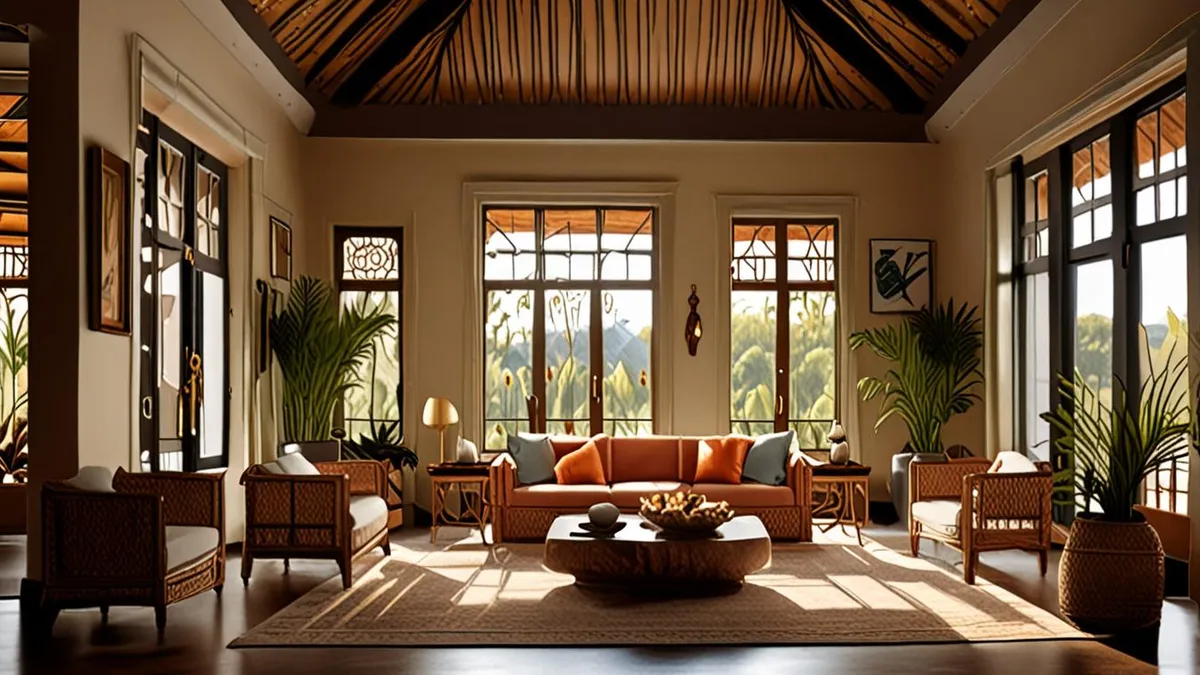
A boutique resort is a small, independently styled property, typically with 10-100 rooms, that puts design and local character front and center. Instead of a lobby that could belong anywhere in the world, you’ll often find architecture and interiors drawn from the surrounding culture — local materials, regional art, and layouts that reflect the specific plot of land the resort sits on.
The key word is “independently styled.” Chain resorts follow a brand formula so a guest in one country knows roughly what to expect in another. A boutique resort has no such template. Each property reflects its owner’s taste, the location’s personality, or both, which means two boutique resorts in the same town can feel completely different from each other.
It’s a marketing term, not a rating
Here’s the catch: “boutique” is not an official hotel category anywhere. No star system or tourism board certifies it, so any property can put the word in its listing. That doesn’t mean the term is meaningless — it just means you need to look at the real markers instead of the label.
When evaluating a so-called boutique resort, check three things: size (small room counts are the foundation of the experience), design (is there a clear, distinctive identity, or just generic decor?), and service style (is the operation set up for personal attention, or does it run like a standard hotel?). Properties that score well on all three usually deliver what the word promises.
Boutique Resort vs Chain Resort: The Practical Differences
The most obvious difference is scale. A boutique resort with a few dozen rooms simply cannot fill a pool, beach or restaurant the way a 500-room property can. Mornings at the pool are quieter, you won’t fight for lounge chairs, and dinner feels like a meal rather than a seating. The trade-off: fewer on-site facilities. Don’t expect water parks, half a dozen restaurants, or a string of bars and entertainment venues — many boutique properties have one restaurant and one pool, and that’s the point.
Service: personal, but leaner
With higher staff-to-guest ratios than chain resorts, service becomes genuinely personal. Staff learn your name, remember how you take your coffee, and can adjust plans on short notice. What you may give up is round-the-clock infrastructure — a 24-hour gym, a kids club, or room service at 2 a.m. are often missing, because a small team can’t cover everything at all hours.
What you’ll pay
Boutique rates typically run 10-40% above comparable chain resorts in the same destination. That premium reflects the staffing levels and the design investment, not extra inclusions. You’re paying for atmosphere, privacy and attention — so compare what each rate actually covers before assuming the boutique option is the better value.
Who a Boutique Resort Suits Best
Boutique resorts aren’t better than chain resorts — they’re better for a specific kind of traveler. If your ideal vacation involves atmosphere, privacy and a sense of place rather than a packed activity schedule, this category was practically built for you. The smaller scale changes the whole rhythm of a stay: breakfast stretches longer, conversations with staff turn real, and the property feels like a home base instead of a destination in itself. Because these properties usually have just 10-100 rooms, you notice the difference from day one — the pool is quieter, the beach has space to spare, and staff have time to remember how you take your coffee. That personal attention is a defining trait, with higher staff-to-guest ratios than you’ll find at large chain properties.
Three types of travelers tend to get the most out of a boutique stay:
- Couples and honeymooners. Privacy and design matter more than a nightly entertainment program, and small properties make romantic occasions feel genuine rather than staged — think a quiet dinner for two instead of a buffet show.
- Explorers. If you plan to spend your days at markets, dive sites, temples or trailheads, a self-contained resort bubble with ten restaurants is wasted on you. A smaller base close to local life fits the way you actually travel.
- Adults seeking calm. Most boutique resorts are adults-oriented or couples-focused, and family facilities are rare. If you want a genuinely low-key environment, the adults-only resort experience overlaps heavily with the boutique category, and many properties deliver both at once.
If you see yourself in any of these descriptions, a boutique resort will likely feel like money well spent rather than an indulgence. You’re paying for atmosphere, location and service rather than sheer quantity of facilities, and for travelers who value those things, the trade is an easy one to make.
Who Should Skip a Boutique Resort
Boutique resorts are wonderful for some travelers and a poor match for others. Knowing which camp you fall into can save you an expensive disappointment, because the very features that make these properties charming — small size, quiet atmosphere, personal service — are exactly what some travelers will miss the most.
Families with young children are usually the first group to struggle. Most boutique properties have small pools, compact rooms and little in the way of organized children’s activities, so a week with energetic kids can feel cramped rather than relaxing. A large family resort with dedicated kids clubs, spacious family suites and shallow play pools is typically a far better fit. If you’re weighing options, a guide on how to choose a family resort, from room types to kids clubs and safety covers what actually matters for traveling with children.
The same logic applies to travelers who want everything in one place. If your idea of a perfect vacation is an all-inclusive wristband, a nightly show and a choice of six restaurants, a boutique resort will feel limiting rather than luxurious. And if you’re on a tight budget, remember that you’re paying a premium — often a meaningful one — for design and atmosphere, not for more inclusions. Your money often stretches further at a well-rated chain property nearby.
- Limited kids clubs: many boutique resorts have no supervised children’s program at all, so parents get no real downtime by the pool.
- Small pools and tight layouts: a compact infinity pool and a standard room with one bed configuration rarely suit a family of four for a full week.
- No all-inclusive option: meals, drinks and airport transfers are usually billed separately, so food costs add up quickly outside the room rate.
- Fewer dining venues: a single on-site restaurant is common, which gets repetitive on longer stays and offers little variety for picky eaters.
- Minimal entertainment: expect quiet evenings rather than nightly shows, live music or organized activities, which some travelers find too subdued.
Where Boutique Resorts Thrive: Destinations to Consider
Boutique resorts cluster in destinations where dramatic scenery and strong local culture give designers something to work with. Two places stand out above almost anywhere else: Bali and the Maldives. In Bali you’ll find cliffside hideaways above the surf breaks of the Bukit peninsula, jungle retreats around Ubud and small beachfront properties along quieter stretches of coast. The Maldives takes the boutique idea to its logical extreme — tiny island properties where your “resort” may occupy an entire islet you can walk around in twenty minutes.
The Caribbean and the Mediterranean
The Caribbean has long favored small, design-led properties over mega-resorts, and many of the region’s boutique resorts sit within walking distance of local towns, fishing villages and beach bars. That walkability is a big part of the appeal: you get resort comfort without being cut off from the destination. The Mediterranean works the same way. Along the coastlines of Greece, Italy, Spain and Croatia, small design hotels and former family homes turned resorts put you steps from tavernas, markets and old-town streets.
Matching the destination to your travel style
Because each of these regions has a different rhythm — and a different best season — it pays to do some homework before booking. A cliffside property that feels romantic in May can feel exposed and windswept in the middle of storm season, and a small island resort in the Maldives is a very different trip from a town-adjacent stay in the Caribbean. Reading a destination guide first, such as a comparison of the best resort areas in Bali, helps you match the right coast to the kind of trip you want and the time of year you’re traveling.
How to Book a Boutique Resort Without Overpaying
Boutique resorts rarely come cheap, but with the right timing and a little scrutiny, you can get genuine value instead of paying a premium for a small room and a nice pool. The good news is that the research required is not complicated — it just asks you to slow down and look past the glossy website photos. Three habits make the biggest difference, and none of them takes more than a few minutes.
- Book 3-6 months before high season. With only 10-100 rooms, a boutique resort has very little inventory to spare, and the best-value room categories — the ones with the views or the private plunge pools at the friendliest prices — sell out first. Waiting until a few weeks before departure usually means choosing between leftovers and inflated rates, and sometimes there is nothing left at all.
- Compare the room rate against what’s actually included. Boutique resorts often charge separately for breakfast, airport transfers, spa treatments and even some non-motorized activities. A rate that looks higher at a nearby chain may work out cheaper once meals and transfers are factored in, so do that quick math before you commit. Ask the property directly for a full list of inclusions.
- Read recent reviews focused on service consistency. Without brand standards holding things together, quality can depend heavily on individual staff members and current management. Look specifically at reviews from the last few months that mention how guests were treated, not just the decor — repeated complaints about slow or indifferent service are a red flag that the photos won’t show you.
Put together, these steps take maybe an hour of research, and that hour is often the difference between a stay that justifies its price tag and one that leaves you feeling overcharged. Book early, read the fine print on inclusions, and trust recent guest experiences over polished marketing. That’s how you pay boutique prices only when they’re actually worth it.
The Bottom Line on Boutique Resorts
So, what does “boutique resort” actually mean when you see it in a booking listing? In practice, it describes a small, design-led property with personal service — not an official rating. Since any hotel can use the label, the real markers are room count, distinctive style and how attentive the staff are, so it pays to look past the word itself.
As a fit, boutique resorts suit couples, design lovers and travelers who want to explore the destination rather than stay in a resort bubble. Families with young children and fans of all-inclusive packages are usually better served by larger resorts. If you do book boutique, reserving early and checking exactly what’s included makes the premium price much easier to justify. If this helped you decide, leave a comment or share the article.