Alaska lodge stays are unlike lodge trips almost anywhere else. The state is enormous, the seasons are extreme, and the difference between the right lodge and the wrong one can be hours of travel and hundreds of dollars per night. Many travelers pick a beautiful lodge first and only later realize it sits six hours from the park they wanted to see, or that it closes in September just when they planned to arrive.
The good news is that a little planning goes a long way. This guide walks through the main lodge regions, from the road-accessible Kenai Peninsula to remote fly-in wilderness camps, then breaks down what each season actually delivers: summer daylight and salmon runs, shoulder-season value, and winter aurora trips. You’ll also find realistic price ranges, booking timelines, what lodges are like on site, and how to match a region to your priorities. By the end, you should be able to choose a region and a month with confidence before you commit to anything.
Alaska Lodge Stays by Region: Where to Base Yourself
Alaska is too big to treat as one destination, so the smartest first step is picking a region. The three main lodge areas each suit a different kind of traveler, and a fourth option, the fly-in wilderness lodge, sits in a category of its own.
Road-accessible regions: Kenai Peninsula and Denali
The Kenai Peninsula is the natural pick for road-trippers. You can drive from Anchorage, and lodges around Soldotna, Cooper Landing and Seward put you within reach of world-class fishing, glaciers and coastal wildlife. It’s the most flexible base if you want to combine several activities without flying anywhere.
Denali area lodges are the choice for park access and mountain scenery. The trade-off is distance: most sit hours from Anchorage along the Parks Highway, so plan your drive time realistically rather than treating Denali as a day trip from the city.
Coastal and wilderness options
Inside Passage lodges around Juneau, Sitka and Ketchikan suit travelers drawn to rainforest, whale watching and coastal scenery. These towns are typically reached by plane or ferry rather than road, which shapes both cost and itinerary.
Remote fly-in lodges in the Bristol Bay and Arctic regions offer the deepest wilderness experience Alaska can provide. The catch is logistics: flights add $500 or more per person on top of your lodge rate, and weather can affect your transfers. If that sounds like the trip you want, factor it into your budget from the start.
Summer Season: Mid-June to Mid-August
Mid-June to mid-August is peak season in Alaska, and it earns the title. You get 18 to 20 or more hours of daylight, the widest choice of activities of the year, and lodges running at full capacity. The trade-off is simple: this is also when rates are at their highest, and the most sought-after lodges fill up first.
If you’ve read about how seasons shape lodge stays in the Rocky Mountains, you’ll recognize the pattern: peak season means everything is open, but you pay for the privilege and you book earlier.
Fishing, demand and full schedules
Salmon fishing peaks from July to early August, and that window drives serious demand at Kenai Peninsula fishing lodges. If fishing is your priority, book well ahead and expect peak pricing during those weeks. Anglers planning around the runs should treat this as the busiest stretch of the Alaska summer.
One practical upside of traveling in this window: all tours, boat transfers and guided activities run at full schedule. You won’t find reduced timetables or closed excursion operators as you might in the shoulder months.
The mosquito factor
Mosquitoes are at their worst in June and July, especially inland and near water. Pack a good repellent, and don’t be surprised to find bug screens on lodge porches and cabins. It’s a minor annoyance against all that daylight, but it’s better to arrive prepared than to buy overpriced spray in a small town.
Shoulder and Winter Seasons: What Changes
Alaska’s shoulder and winter seasons change the character of a lodge stay completely, and in some cases they change which lodges are open at all.
The shoulder windows: May and late August
May to early June brings fewer crowds, lower rates and one caveat: lingering snow on high trails. It’s a good fit for travelers who value quiet and value over guaranteed full access to every hike.
Late August to mid-September is arguably the sweet spot for many travelers. You get fall colors, far fewer insects and the first reliable nights for the northern lights. Rates drop from their mid-July highs, and the summer crowds thin out noticeably.
Winter: aurora and snow season
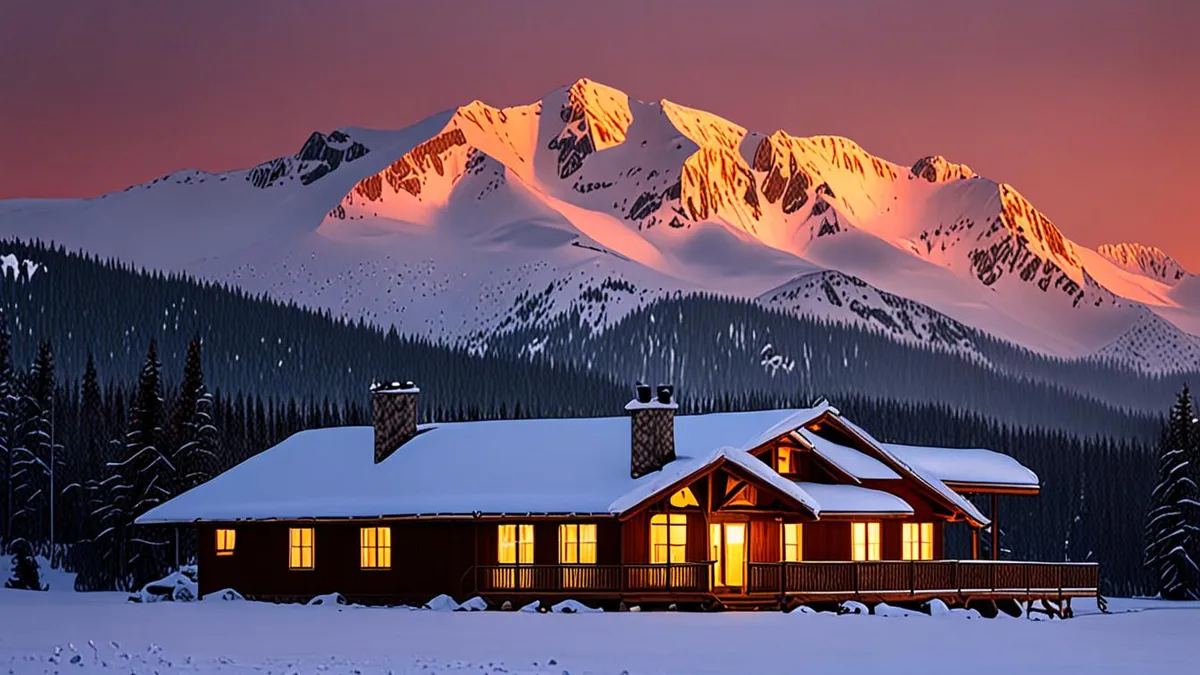
From November to March, lodge stays shift focus entirely. Trips center on northern lights viewing, dog sledding and snowmobiling, and you should expect short days and limited access to remote areas. Daylight can be scarce, so itineraries compress into a few usable hours.
Here’s the detail that surprises many first-timers: many remote lodges close entirely outside the summer window. That means winter options concentrate around Fairbanks and other road-accessible areas, where lodges are built for aurora viewing and snow activities. If a winter aurora trip is your goal, target lodges near Fairbanks rather than trying to reach a fly-in wilderness camp that may not be operating at all.
What Alaska Lodges Cost and When to Book
Alaska lodge pricing varies more by access than by comfort. Road-accessible lodges in summer typically run about $300 to $900 per night for two people, while remote fly-in lodges often cost $800 to $1,500+ per night. The catch with remote lodges is that the higher rate usually bundles in meals and floatplane transfers, so compare total trip costs rather than sticker prices alone.
Timing matters as much as location. Peak-season remote wilderness lodges should be booked 6 to 12 months ahead, and road-accessible lodges 3 to 6 months ahead. If your dates are flexible, shoulder-season stays can save you 20 to 40% compared with mid-July rates, often with similar wildlife viewing and quieter trails. For a deeper breakdown of how booking windows work across destinations, see this guide to when to book lodge stays and what prices to expect.
Before you commit, get clear on what the rate actually includes. A quote that covers meals, transfers and guided outings can beat a cheaper headline rate that charges separately for every add-on, so always compare packages on total trip cost.
- Ask whether guided activities like fishing charters or glacier hikes are included or billed separately, since a day of guided fishing can add hundreds per person.
- Confirm whether airport or town transfers are part of the package, especially at lodges a long drive from the nearest hub.
- Check if alcohol, tackle rental and fishing licenses cost extra, as these add-ons are common exclusions even at full-service lodges.
- Ask about deposit and cancellation terms, since remote lodges often require larger deposits and stricter cancellation windows than road-side properties.
What to Expect On Site: Facilities and Daily Rhythm
Remote Alaska lodges usually operate on a full-board or half-board basis, meaning meals are included and served at set times. Dinner might be at 7 pm because your boat returns at 6, and breakfast starts early to fit in a full day of fishing or hiking. If you have dietary restrictions, tell the lodge when you book, since kitchens order supplies well in advance.
Rooms and facilities
Accommodation ranges from simple cabins with shared bathrooms to upscale suites with private decks and en-suite plumbing. Standards vary widely even within the same price bracket, so verify heating, plumbing and Wi-Fi before booking rather than assuming. Many wilderness lodges have limited or satellite internet, and some treat it as a feature, not a flaw.
A day at the lodge
Daily routines usually revolve around one or two guided outings: a fishing charter in the morning, a wildlife tour or flightseeing trip in the afternoon, or a full-day glacier hike. Between outings, expect downtime, which is part of the appeal. Weather can cancel flights and boat trips at short notice, so build buffer days into your itinerary rather than scheduling a tight connection the morning after a fly-in.
Pack layers, waterproofs and sturdy boots no matter the season. For a complete rundown, this practical lodge packing checklist covers the essentials.
Choosing the Right Lodge for Your Trip
The easiest way to narrow down Alaska’s lodge options is to match the region to your main priority. Anglers should look at the Kenai Peninsula, where road-accessible fishing lodges put you near salmon runs. Travelers focused on Denali National Park access and mountain scenery should base themselves in the Denali area, while those chasing whales and coastal rainforest scenery fit best in the Inside Passage around Juneau, Sitka and Ketchikan. For deep wilderness, only a fly-in lodge in the Bristol Bay or Arctic regions will do.
Families generally do better at road-accessible lodges, where you can drive in on your own schedule, leave mid-stay if needed, and choose from shorter excursions. Flexible meal times also help with younger children, since remote lodges often run on rigid excursion-driven schedules.
If the northern lights are your goal, target a stay near Fairbanks between late August and March rather than booking a summer wilderness lodge. Summer’s long daylight makes aurora viewing nearly impossible, and many remote lodges close entirely in winter anyway.
- Ask fly-in lodges about floatplane weight limits before you pack, since baggage is often restricted to a set number of pounds per person and soft duffels are required.
- Plan weather buffers around any flight-included stay, because bush planes cancel frequently and a missed flight can cost you a full day of a short trip.
- Check drive times from Anchorage when comparing Kenai and Denali lodges, as distances that look short on a map can take several hours on Alaska highways.
- Ask lodges about group sizes per guide or boat, since small ratios matter most for fishing and wildlife photography trips.
Wrapping Up Your Alaska Lodge Plan
Alaska is far too big to plan lodge by lodge, so work in that order: pick your region first, then let the season narrow the options. Summer, from mid-June to mid-August, is the time for fishing, glaciers and long daylight. The shoulder months of May to early June and late August to mid-September bring better value and fewer crowds, while winter stays from November to March are all about the northern lights and snow activities.
On budget, nightly rates for two at road-accessible lodges start near $300 and can climb past $900 in summer, while remote fly-in stays with meals and transfers included often run $800 to $1,500+. Remote wilderness lodges book out early, so reserve 6 to 12 months ahead for peak season and confirm exactly what is bundled in before you commit. If this helped you sort out your own Alaska plan, leave a comment or share the article with a fellow traveler.