You’ve found two places in the same destination at similar nightly rates. One calls itself a lodge, the other a resort, and the photos of both look appealing. The problem is that these two words describe genuinely different styles of stay, and picking the wrong one can shape your whole trip.
This lodge vs resort comparison walks through the differences that actually matter when you book. We’ll cover size and atmosphere, dining and facilities, the style of activities on offer, what you really pay at each, location and setting, plus booking timing and season. We finish with a simple way to decide which one fits your trip. By the end, the choice between that lodge and that resort should feel obvious rather than like a coin flip.
Lodge vs Resort: Size and Atmosphere
The most immediate difference between a lodge and a resort is scale. Lodges usually run somewhere between 10 and 40 rooms, which creates a quiet, personal feel. With so few guests, staff tend to learn your name, remember how you take your coffee and notice if you skipped breakfast. Many travelers describe a lodge stay as closer to visiting a well-run private home than checking into a hotel.
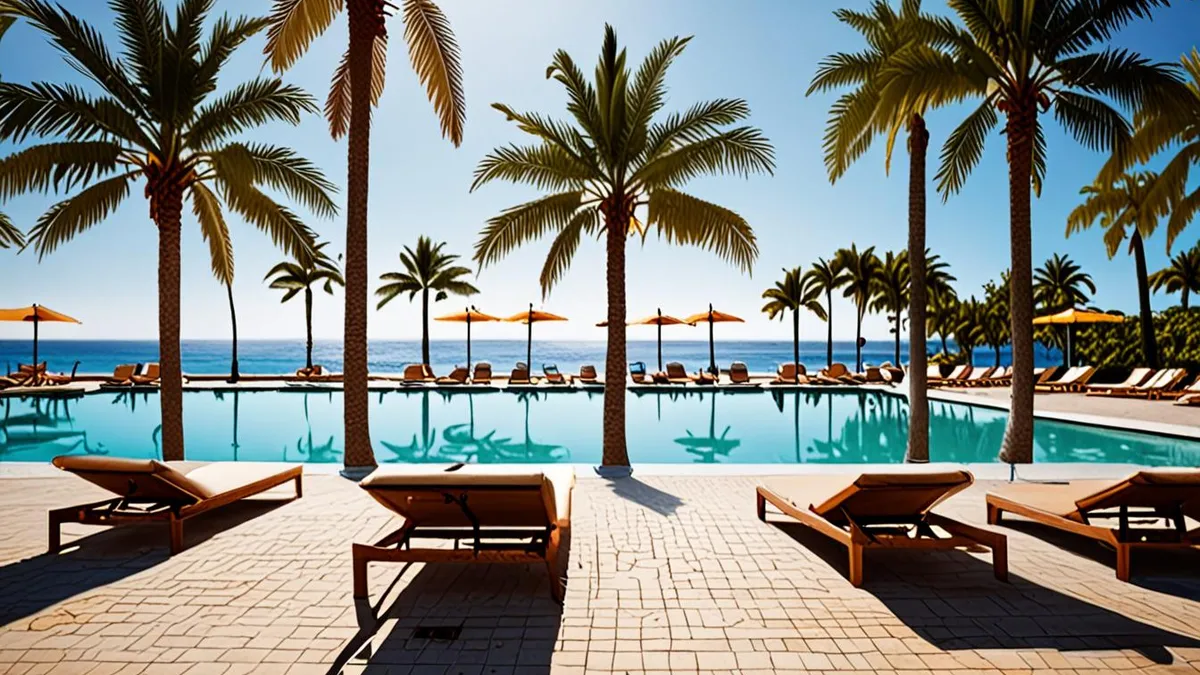
Resorts operate at the other end of the spectrum. They often exceed 150 rooms and can reach 800, which brings a busier, more social atmosphere. There are more people to meet, more energy around the property and far more coming and going at all hours. If you enjoy the buzz of a full property, this can be a plus; if you don’t, it can wear thin.
How each one is built
Architecture follows the same split. Lodge buildings tend to blend into the landscape, using timber and stone in mountain or safari settings so the property feels part of its surroundings rather than imposed on them. Resorts are built around shared facilities, with pools, lobbies and elevators designed to move large numbers of guests. That layout works well most of the year, but in peak season expect crowds at exactly those shared spaces, especially around the main pool and at breakfast.
Dining and Facilities Compared
Dining is where the two styles diverge sharply. Resorts typically offer between 3 and 8 dining venues, ranging from casual poolside grills to formal restaurants, and the same one-roof logic applies to facilities: pools, spas, gyms and kids’ clubs are all part of the package. You can eat somewhere different every night of a week-long stay without leaving the property, which is a genuine convenience for families with picky eaters.
Lodges usually have one restaurant and a bar, and meals are often served at set times to all guests together. This sounds restrictive, but it creates a convivial rhythm where guests swap stories over dinner and the kitchen can focus on a small, well-executed menu. Lodge kitchens often highlight local ingredients, sometimes sourced from gardens on the property or nearby farms, while resort buffets prioritize variety and volume for hundreds of covers a night.
- All-inclusive packages: at resorts, these commonly add $80-200 per person per day to your bill, but they remove meal planning entirely, so you never check a menu price or a wallet during the stay.
- Set dinner times: at lodges, the shared dining schedule often follows the day’s activities, so dinner is timed around the evening’s return rather than a fixed hotel hour.
- Menu depth vs breadth: a lodge chef working with a small menu can change dishes daily based on what’s fresh locally, while a resort’s multiple venues trade that flexibility for consistent choice across cuisines.
Activities: Guided Nature vs Organized Entertainment
Ask yourself what you actually want to do each day, because this is where lodge and resort stays feel most different. Lodges center the stay on one signature activity. At a safari lodge, that means two game drives per day, one at dawn and one in the late afternoon, with the rest of the schedule built around them. If you’re curious what that rhythm looks like in practice, this guide to safari lodge facilities and the daily routine walks through a typical day.
Resorts spread their offer across many options: water sports in the morning, fitness classes before lunch, kids’ programs through the afternoon and evening shows after dinner. Nobody expects you to do everything, but the variety is the point.
Who leads the activities
Lodge activities are usually led by resident guides, so the quality of your experience depends heavily on the property’s guiding team. A great guide can turn an ordinary drive into the highlight of your trip, which is why reviews of lodges often mention guides by name. Resort entertainment, by contrast, runs on a fixed daily schedule that suits travelers who like structure: you can plan your day around the posted program and know exactly what’s happening when, without depending on any single individual.
Price: What You Actually Pay at Each
On paper, a lodge and a resort can look surprisingly similar in price. Resort nightly rates commonly range from $150 to $600, while lodge rates typically fall between $120 and $500. But the sticker price tells you very little until you understand what each rate actually includes.
Lodge pricing is usually bundled. A single headline rate often covers your meals, guided activities and sometimes even drinks, so most of your stay is paid for before you arrive. If a lodge quote looks high at first glance, check what is inside it before dismissing it. For a closer look at how these numbers break down, see how lodge rates vary by region.
How resort pricing adds up
Resort pricing works the opposite way: it is modular. The room rate looks affordable, but dinner, spa treatments, excursions and kids’ activities are all added on separately. An all-inclusive package can help you budget more predictably, but it comes at a noticeable premium over the standard room rate, so weigh that against what you would realistically spend on meals and activities anyway. By the end of a week, a “cheap” resort room can easily cost more than a fully bundled lodge stay.
The smartest move is to compare total trip cost, not nightly rate. Add up meals, activities and extras for each option across your whole stay, then decide which one is genuinely better value for the way you travel.
Location and Setting
Location is one of the clearest dividing lines between the two. Lodges are usually destination-driven: they exist because of what surrounds them, whether that is a national park, a forest reserve or remote mountain terrain. You book the lodge because of where it sits, not what it contains.
Resorts, by contrast, cluster along coastlines and inside established tourist zones. They are built where the infrastructure already exists, so you are rarely far from restaurants, transport links and tour operators.
What a remote lodge location really means
A lodge deep in the wilderness often involves long transfers from the nearest airport, and shops or pharmacies can be hours away. Plan your supplies before arrival: medications, sunscreen, cash and any specialty items you need should come with you. Ask the property what it can provide on site so you do not overpack either.
Resort locations flip this equation. You typically get walkable access to towns, beaches and excursion operators, which makes spontaneous plans easy. If you like stepping out the door and having options within a few minutes, a resort setting will suit you far better than a secluded lodge.
Booking Timing and Season
Small properties sell out first, so lodges demand earlier planning. Because many lodges have only a few dozen rooms or fewer, booking 6-12 months ahead in high season is the norm if you want your pick of dates and room types. Waiting until a couple of months out usually means limited choice or paying a premium.
Resorts, with 150 or more rooms to fill, are more forgiving. You can usually book 3-6 months ahead in high season and still find reasonable availability across room categories. If you are flexible on room type, even shorter lead times can work, though rates tend to climb as inventory shrinks.
Season matters as much as lead time
When you travel shapes the price as much as when you book. In tropical destinations, resort peak season runs December to April, pushing rates to their highest of the year. A few timing tactics worth knowing:
- Shoulder months often cut lodge and resort rates noticeably while keeping weather usable, making them the best value window for most travelers.
- Booking a lodge for the very start or end of high season can secure the same guides and activities at a lower rate than mid-season dates.
- Resorts sometimes release last-minute deals to fill their large room counts, a flexibility lodges with a handful of rooms rarely offer.
For a deeper breakdown of how seasons affect pricing, see when to book lodge stays and how seasons change the price.
Which One Should You Book
So you’ve found two options at similar nightly rates and can’t decide. The simplest filter is your trip goal. Choose a lodge if you want a nature-focused stay on a small scale, where meals and guided activities are usually bundled into one price. Choose a resort if you’d rather have dining variety, plenty of facilities and a predictable, entertainment-led daily schedule.
Once you’ve matched the stay type to your goal, compare total costs rather than headline rates, since lodge pricing tends to be more inclusive while resort extras add up. Also check booking lead times: lodges typically need 6-12 months of notice in high season, while resorts can often be booked 3-6 months ahead. If a property still fits after both checks, you’ve likely found the right one. If this helped you decide, leave a comment or share the article with a fellow traveler.