Botswana safari lodges have a reputation for being among Africa’s finest, but many travelers book one without really knowing what they’re signing up for. Is the camp fenced? Will there be a pool and a buffet, or a canvas tent and a guided walk? And does the timing of your trip actually matter as much as people say? These are the questions that trip up even experienced safari-goers, and getting them wrong can mean paying peak-season prices for the wrong region or arriving when the wildlife has scattered.
This guide walks you through the whole picture. We’ll explain what a typical lodge day looks like, compare the main safari regions from the Okavango Delta to Chobe and the Kalahari, and break down the seasons so you know when to go. You’ll also find realistic price expectations, booking timelines, advice on choosing between lodge tiers and trip styles, and a short planning summary to pull it all together before you commit to a camp.
What a Botswana Safari Lodge Stay Is Actually Like
Forget the image of a sprawling hotel with hundreds of rooms. Most Botswana lodges and camps are deliberately small and intimate, often with just 8 to 12 tents or rooms. That keeps the atmosphere personal, with staff who learn your name by the second day and shared dinner tables where safari stories get swapped. It also means spaces fill up fast, so availability is often the first thing to check.
Many camps are unfenced, which is one of the things that makes Botswana special. Wildlife genuinely moves through camp: elephants may wander past your tent, and hippos graze on the lawn at night. Camp staff escort you after dark for this reason, and it’s part of the experience rather than a downside.
The daily rhythm
Days follow a set rhythm that soon feels natural. You’re woken before dawn for a morning game drive, when animals are most active and the light is best. You return to a late brunch, then take a siesta during the hottest hours. In the afternoon there’s another activity, followed by dinner and fireside time under the stars.
Activities vary by location. Game drives happen everywhere, but in water-based areas you’ll also find mokoro trips, gliding quietly in a dugout canoe, and boat cruises along channels and lagoons. Pricing is usually full-board or fully inclusive, with meals, drinks and activities bundled into the nightly rate, so you rarely reach for your wallet during the stay.
The Main Safari Regions and What Each Offers
Botswana’s safari regions are genuinely different from each other, which is why the order of your stops matters. The Okavango Delta is the country’s headline attraction: a maze of water channels, lagoons and floodplains where floodwaters peak roughly June to August. It’s the best place for mokoro trips and mixed land-and-water safaris, and camps here tend to be the most exclusive in the country. Because road access is limited, most visitors arrive by light aircraft, which makes the Delta feel remote even though it’s well served by scheduled flights from Maun.
Chobe National Park sits in the north and is famous for its huge elephant herds gathered along the riverfront. Boat safaris are the signature activity here, letting you watch elephants swim and cross the river from water level. Many travelers combine Chobe with the Delta in a single itinerary, since the two regions pair a water-focused experience with classic big-game drives. Moremi Game Reserve, inside the Delta ecosystem, is land-based and known for strong predator sightings, including lions, leopards and wild dogs. The Kalahari and Makgadikgadi offer something completely different: drier, quieter landscapes with desert-adapted wildlife and cultural experiences, ideal as a second or third stop rather than your only one.
- Okavango Delta: water levels shift through the year, so the same camp can offer mokoro gliding on flooded channels in one month and game drives across open plains in another. Fly-in access via small airstrips is the norm.
- Chobe: the riverfront is best experienced from a boat at sunset, when herds come down to drink and you can watch them from the water rather than a vehicle.
- Moremi: being inside the Delta ecosystem, it combines permanent water on its edges with dry interior areas, giving varied habitats in a single reserve.
- Kalahari and Makgadikgadi: expect salt pans, meerkat encounters and quad biking on the pans, plus San cultural experiences, rather than the classic big-game concentrations of the north.
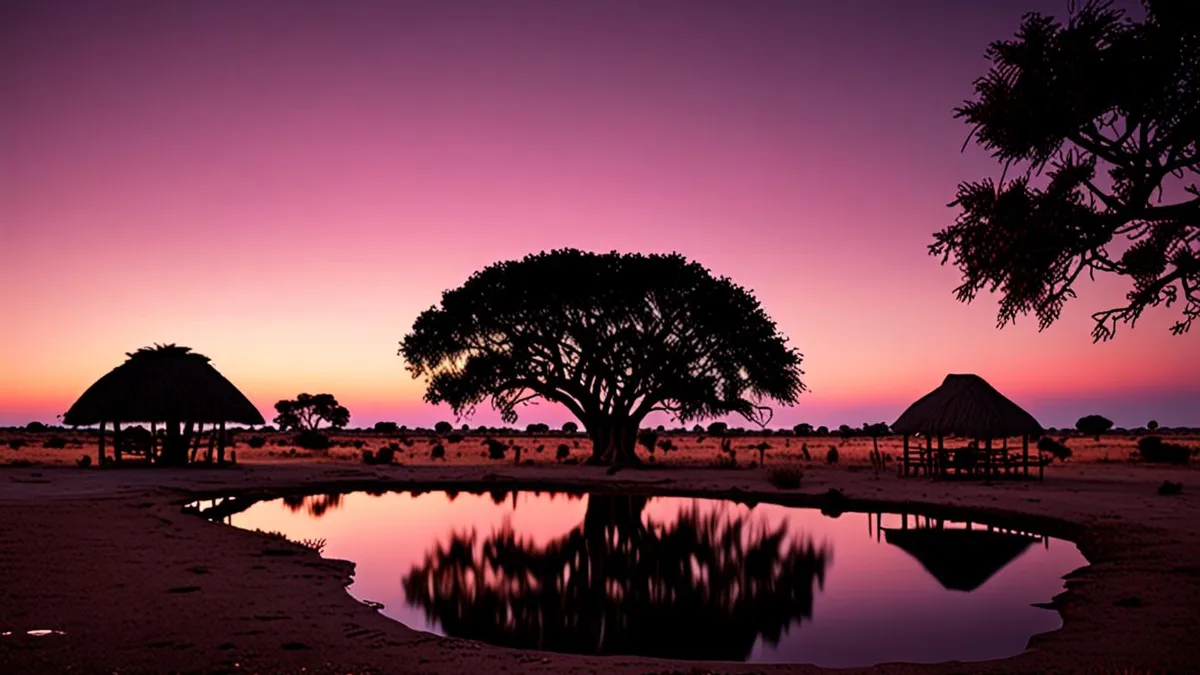
When to Go: Seasons in Botswana Explained
Timing shapes a Botswana safari more than almost any other decision. The dry season runs from May to October, and it’s when the country performs at its best for classic game viewing. Vegetation thins out, water sources shrink and animals concentrate around remaining rivers and waterholes, making them far easier to find. Within that window, July to October is peak game viewing, when conditions are at their driest and wildlife viewing is at its strongest.
The green season trade-off
The wet season runs from November to April, and it changes the character of a trip completely. The landscape turns green and photogenic, newborn animals appear across the plains, and birding reaches its peak as migratory species arrive. Lodge rates drop noticeably too. The trade-offs are real, though: bush is thicker and animals are harder to spot, some seasonal camps close entirely, and afternoon rain showers can interrupt activities.
Why shoulder months appeal
Shoulder months like May-June and November offer a sensible middle ground. In May and June you get much of the dry season’s viewing quality before peak prices and crowds arrive, while November can still deliver good sightings as the first rains fall. You’ll also share sightings with fewer vehicles than in the July to October rush. If your dates are flexible, these months often deliver the best balance of experience and cost, and they’re worth asking a safari operator about before defaulting to the peak.
What Botswana Safari Lodges Cost
Botswana is not a budget safari destination, and it helps to know that before you start comparing camps. Mid-range lodges typically run USD 300-600 per person per night, while luxury camps in the Okavango Delta commonly reach USD 800-1,500+ per person per night. The difference usually comes down to location, exclusivity and the level of guiding.
The good news is that most rates are fully inclusive. Your nightly price generally covers accommodation, all meals, drinks and twice-daily activities such as morning and afternoon game drives or boat trips. That means once you have paid, you rarely reach for your wallet inside the camp, aside from tips and premium items like rare wines or spa treatments.
Timing has a dramatic effect on price. Costs rise sharply in July-October, when the dry season delivers the best game viewing and demand outstrips the small number of beds in the Delta. Traveling in the green season, roughly November to April, can cut rates by 30-40%, and you still get excellent birding, newborn animals and dramatic skies in exchange for thicker bush.
If you want to see how Botswana compares with safari countries such as Kenya, Tanzania or South Africa, this breakdown of lodge stay costs by region puts the numbers side by side.
How to Book: Timing, Access and Packages
Booking a Botswana safari is less like reserving a hotel and more like planning a small expedition. Camps are tiny, flights are scheduled around them, and the best lodges sell out long before the season starts. Because most stays are sold as fly-in packages via small airstrips, you cannot simply drive up and check in, so a clear sequence makes the whole process far easier. Follow the steps below and you will avoid the mistakes that cost travelers money or force them into second-choice camps.
- Choose your season and region first. Decide whether you want peak dry-season game viewing or the greener, cheaper months, then pick between the Delta, Chobe, Moremi or the Kalahari. Everything else, from price to access, flows from this choice, so lock it down before you contact any operator or agent.
- Reserve early for peak season. For July-October stays in the Delta, book 9-12 months ahead, since the smallest camps have only a handful of units and repeat guests rebook the same tents each year. For shoulder months, 3-6 months is usually enough.
- Plan around light aircraft access. Most Delta camps are reached by light aircraft landing on small airstrips, so stays are commonly sold as fly-in packages that bundle flights and accommodation together. Road access is limited in the Delta, which is why self-driving itineraries rarely work there.
- Scrutinize what the package includes. Before committing, compare whether road transfers, park fees and light-aircraft seats are included, as these extras can add meaningfully to the total. Ask for a written breakdown so you can compare quotes fairly between operators.
- Confirm the fine print. Check baggage limits on charter flights, which are usually strict because of small aircraft weight rules, plus payment schedules and cancellation terms, which tend to be far stricter than for ordinary hotels.
If you are still weighing up how far in advance to commit, this guide to when to book lodge stays and how seasons affect prices walks through the timing logic in more detail. Once your dates and camp are confirmed, the rest of the trip usually falls into place quickly, leaving you free to focus on the wildlife rather than the logistics.
Choosing Between Lodge Tiers and Trip Styles
Botswana’s lodge market splits cleanly into two worlds. Budget and mid-range options cluster around the gateway towns of Maun and Kasane and in community-run concessions, where you can book per night and arrange activities individually. Luxury camps dominate the private reserves of the Okavango Delta, where access is almost exclusively by light aircraft and rates are fully inclusive.
Concessions versus public parks
The distinction that matters most is private concession versus public park. In private concessions, camps hold exclusive traversing rights, so guides can drive off-road to follow predators and can offer night drives, which opens up sightings of leopards, bushbabies and other nocturnal animals. In public areas such as Moremi Game Reserve and Chobe National Park, stricter game-drive rules apply: you generally stay on designated tracks and must return to camp by gate-closing time, and vehicles can be busier around major sightings.
Matching the camp to your travel style
Honeymooners and photography-focused travelers tend to favour small luxury camps, where guest numbers are low, vehicles are uncrowded and private guides or photographic hides are sometimes available. Families need to look harder: many camps enforce minimum-age policies, often 6-8 years, and some restrict children from certain activities or require private vehicles at extra cost. Always confirm the policy directly before booking rather than assuming a camp is child-friendly.
If the tiers still feel blurry, this comparison of budget, mid-range and luxury safari lodges breaks down exactly what changes at each level.
Planning Your Botswana Lodge Trip
A safari in Botswana can feel like a mystery until you understand the basics. In practice, Botswana safari lodges deliver small camps, inclusive pricing and a structured daily routine of early morning game drives, a midday siesta and an afternoon drive or boat trip. Once that rhythm makes sense, the whole trip becomes much easier to picture.
Timing matters just as much. The dry season from May to October, especially July to October, offers the strongest game viewing at the highest prices, while the green months trade thick bush for lower rates. Booking 9-12 months ahead for peak season, and choosing the right region and tier, are the decisions that shape the whole trip. Get those right and everything else falls into place. If this helped you plan, leave a comment or share the article with a fellow traveler.