You’ve settled on glamping, but now you’re stuck between two options: a yurt or a cabin. It’s a common spot to be in, because glamping in yurts vs cabins isn’t just a style choice. The two stay types differ in space, facilities, seasonal availability and price, and the right pick depends on when you’re traveling, who’s coming along and how much comfort you actually need on the road.
This guide breaks the decision down for you. We’ll compare how yurts and cabins differ at their core, what comfort and facilities you can realistically expect from each, and what each stay type typically costs per night. We’ll also look at which seasons suit each option, match stay types to common trip styles, and share booking tips on timing and what to check before you pay. A short final section helps you make the call between a yurt and a cabin for your specific trip.
Glamping in Yurts vs Cabins: The Core Differences
At first glance, both options promise a night in nature with a real bed, but the structures themselves couldn’t be more different. A yurt is a circular tent-inspired structure, traditionally covered in canvas or felt, and the modern versions you’ll book at glamping sites are typically 15–20 ft in diameter. Look up and you’ll see the signature feature: a central dome skylight that lets in daylight by day and stars by night. Inside, there are no interior walls, so everything from the bed to the seating sits on one open floor.
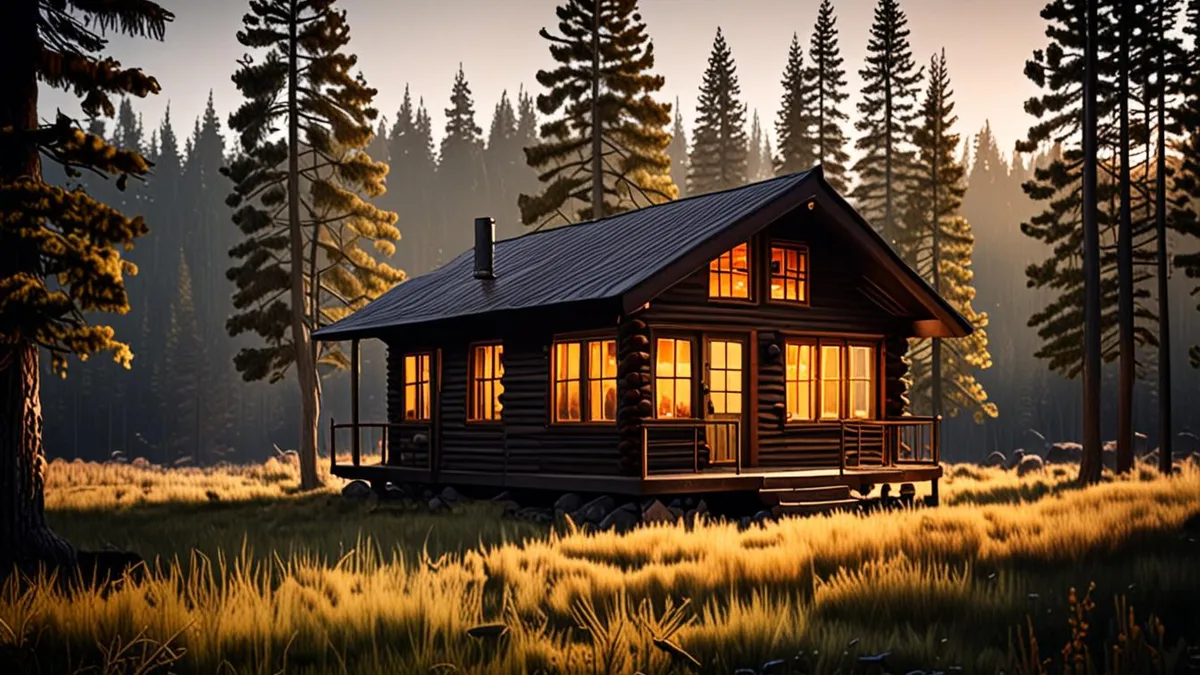
A cabin, by contrast, is a solid wood build with proper walls, windows and a conventional room-by-room layout. You might get a bedroom, a small living area and a bathroom door that actually closes, much closer to a small house than a tent.
How each one feels on the ground
That structural difference shapes the experience. Yurt walls are fabric, so you hear the wind, rain and birds far more clearly, and the whole space feels connected to the outdoors. Cabins insulate better, muffle sound and give you privacy from both the weather and your fellow travelers.
Sleeping capacity differs too. Yurts usually sleep 2–5 guests on one open floor, often with a mix of a main bed and extra beds or futons. Cabins often sleep 4–8 across separate bedrooms, which makes them easier for groups who want their own space at night.
Comfort and Facilities Compared
Facilities are where the gap between these two stay types becomes obvious. Cabins more often include a private bathroom, a full kitchen and proper heating built into the structure. Many yurts, on the other hand, rely on shared washroom blocks a short walk from the unit, which is one of the trade-offs for that closer-to-nature feel. If you’re new to this style of travel, our guide to glamping types and comfort levels explains how these units compare to other options.
Inside a yurt, you’ll typically find a wood stove for cool evenings, real beds and basic furniture. What you won’t find much of is storage: the round, open-plan layout means no built-in closets, so you’ll live mostly out of your suitcase. Cabins, with their straight walls and separate rooms, handle luggage, cooking and gear far more easily.
Before you book, it helps to run through the practical details:
- Bathroom access: confirm whether the yurt has an en-suite or whether you’ll walk to a shared block, and ask how far it is, since that matters on a rainy night.
- Cooking setup: some yurt sites provide a shared camp kitchen or outdoor grill instead of an in-unit kitchen, so check what’s actually on offer.
- Heating source: a wood stove usually means you’ll be lighting and feeding a fire yourself, while a cabin’s heating is often switched on with a thermostat.
- Power supply: some yurts run on limited solar power, which affects charging devices and lighting after dark.
The practical upshot: expect fewer electrical outlets and less counter space in a yurt than in a cabin of similar price. Neither option is better overall, but knowing these limits in advance keeps expectations realistic.
Cost: What Each Stay Type Typically Runs
Price is often the deciding factor, and here the ranges are fairly consistent. Yurts typically cost $120–$250 per night, while cabins typically run $150–$350. Cabins sit at the higher end largely because of what’s built in: private bathrooms, full kitchens and solid construction all cost more to install and maintain. For a fuller picture of how these rates fit into the wider market, see our breakdown of glamping costs by stay type.
When a yurt is the better deal
For couples who don’t need a private bathroom, a yurt can offer noticeably better value. You’re paying for a memorable, nature-close stay with a real bed and often a wood stove, at the lower end of the glamping price range. If you’re comfortable walking to a shared washroom block, that saving can go toward extra nights or activities instead.
When a cabin justifies the extra cost
Cabins cost more up front, but they make sense for groups. With room for up to eight guests in separate bedrooms, the per-person rate frequently undercuts what a yurt would cost for the same group, especially since yurts rarely fit more than five comfortably. Split a $250 cabin between four friends and you’re each paying less than a solo or couple’s yurt night, with a private bathroom and kitchen included.
One caveat: these are typical ranges, and rates vary a lot by region, season and how upscale the site is. Always check current prices for your specific dates before assuming which option is cheaper.
Seasons and Weather: When Each Stay Works
Yurts are usually seasonal, operating roughly April–October in most climates. The reason is simple: canvas walls handle cold poorly. Even with a wood stove crackling inside, a yurt loses heat fast once temperatures drop, and condensation on the canvas can make chilly nights genuinely uncomfortable. Operators in mountain and northern regions typically close their yurts for the cold months entirely.
Cabins, by contrast, are typically bookable year-round. Solid wood walls, real windows, insulation and proper heating mean a cabin handles snow, frost and storms far better than any canvas structure. When a storm rolls in, you stay warm and dry without worrying about wind flapping at the walls or a stove going out overnight.
Matching the stay to the season
For winter trips, a cabin with heating is the realistic choice. If your dates fall between late autumn and early spring, filter your search toward cabins from the start and save yourself the disappointment of finding yurt sites closed. If you do want to try cold-weather glamping anyway, it helps to understand how these stays are set up for low temperatures — glamping in winter: how cold-weather stays work covers the practical side, from insulation to heating setups.
For yurts, target late spring to early autumn. May, June and September often hit the sweet spot: warm days, cool-but-manageable nights, and fewer crowds than peak summer. Always check the operator’s own season dates before booking, since a yurt site in a high mountain pass may open later and close earlier than one in a milder valley. A quick email or phone call also confirms whether heating is included if you’re booking near the shoulder of the season, when a cold snap can catch you off guard.
Which Stay Suits Your Trip Type
The right stay depends less on price and more on who is traveling and what the trip is for. A yurt that feels magical for two can feel cramped for five, and a spacious cabin can feel overly formal for a couple who just wants something different. Here is how the two stay types map onto common trip types.
Couples and honeymooners tend to favor yurts, and it is easy to see why. The round skylight above the bed turns stargazing into a nightly ritual, the open-plan layout feels romantic rather than restrictive, and the whole setup is novel enough to make an ordinary weekend feel like an occasion. Many couples book a yurt precisely because it is nothing like a hotel room.
Families and groups usually land on the cabin side, and the reasons are practical rather than romantic. Separate bedrooms mean parents get real privacy, kids get their own space, and everyone sleeps better. Weatherproofing matters too: a rainy afternoon with children is far easier inside a solid cabin with a full kitchen than in a single round room where everyone shares one floor.
- Couples and honeymooners: ask whether the yurt site positions units for sunset views or privacy from neighbors — the skylight and open plan lose some magic if the next yurt is a few steps away.
- Families with young kids: check whether the cabin has child-safe features like stair gates, covered outlets and a fenced outdoor area, since solid builds often have lofts and stairs a hotel room would not.
- Groups of 4–8: look for cabins with more than one bathroom, because sharing a single washroom among six people is the most common complaint in group reviews.
- First-timers unsure about glamping: pick a cabin close to town with Wi-Fi and a full kitchen, so you can ease into the outdoors while keeping the conveniences you are used to.
Whichever camp you fall into, be honest about your comfort threshold before booking rather than after. It is the single best predictor of whether the trip becomes a favorite memory or a one-night experiment.
Booking Tips: Timing and What to Check
Glamping sites are small by nature, and that shapes how far ahead you need to book. A resort might have two hundred rooms; a yurt meadow often has four. With so few units, one busy weekend can wipe out an entire site’s availability, which is why timing matters more here than for almost any other type of stay. Planning your booking window around that reality — and knowing exactly what to verify before you pay — saves both money and disappointment.
- Book yurts 3–6 months ahead for peak summer weekends. With only a handful of units on most sites, prime July and August Saturdays can sell out as soon as calendars open. If your dates are fixed, book the moment reservations open; if they are flexible, midweek stays are far easier to secure and sometimes come with softer rates.
- Leave cabins for shorter lead times. Cabins are easier to find last-minute, especially outside July–August, when many operators still have availability a week or two out. This flexibility makes cabins a good option for spontaneous trips and shoulder-season getaways.
- Confirm the bathroom situation before booking. A private bathroom is far more common in cabins, while many yurts rely on shared washroom blocks. Listing photos do not always make this clear, so check the unit description or message the host directly if it is not stated.
- Verify that heating is included and functional. A wood stove listed as an amenity may mean you split and light the fire yourself. Ask whether firewood is provided, whether there is any backup heat, and what happens if the stove goes out overnight.
- Ask about check-in logistics for remote sites. Some yurt and cabin sites have unstaffed self-check-in, limited vehicle access or a walk-in from a parking area. Knowing this in advance helps you pack properly and arrive before dark.
A five-minute exchange with the host before booking covers most surprises. Operators of small sites are usually happy to answer specific questions, and their answers tell you as much about the stay as any listing page does.
Yurt or Cabin: Making the Final Call
If you’ve made it this far, the choice usually comes down to three things: who you’re traveling with, when you’re going, and how much roughing it you actually enjoy. Yurts suit couples, warm-season trips and travelers who want a novel, nature-close stay at $120–$250 a night. Cabins suit families, groups, winter travel and anyone who wants a private bathroom and full kitchen without giving up the outdoors.
The smartest move is to match the stay type to your season, group size and comfort threshold rather than to price alone. A cheaper yurt in the wrong month or with the wrong crowd can feel like a compromise, while the right cabin or yurt for your trip feels like part of the experience. Have you stayed in one or both? Leave a comment with your pick, or share this article with someone planning their first glamping trip.