Many travelers dream of glamping in the Alps but freeze at the booking page with one big question: should they go for a summer stay among wildflower meadows and open terraces, or a snowy winter dome with a wood stove crackling outside? Both versions look incredible online, yet they deliver very different trips, and the wrong choice can mean paying too much or missing the activities you actually wanted.
This guide breaks the decision down clearly. We compare how the two seasons really differ, what summer and winter stays offer in terms of activities, weather and heating, what each season typically costs, and how far ahead you need to book. We also cover which stay types suit which season, what to pack, and how to match the trip to your travel style. By the end, you should know exactly which Alpine glamping trip fits your budget and your calendar.
Glamping in the Alps: How the Two Seasons Really Differ
Summer and winter glamping in the Alps are almost two different holidays. The summer season runs roughly from May to October, when sites open their terraces, set up swimming spots near lakes, and put hiking trails on the doorstep. Days are long, the meadows are green, and most of your time happens outdoors. Winter glamping, typically limited to December to March depending on altitude and snow, flips the experience: activities shrink, but you get snow-covered peaks, frosted mornings and evenings spent close to a stove inside a warm dome or cabin.
The biggest practical difference is supply. Winter sites are far fewer, and they usually sit below 1,500 m altitude, because operators need reliable road access and regular snow clearing to keep guests safe and reachable. Higher-altitude summer sites often close entirely once the snow arrives.
Where you can go in each season
Summer offers far more choice across France, Switzerland, Austria and Italy, from lakeside safari tents to mountain-edge domes. Winter glamping is a niche: a handful of operators run heated units, availability is limited, and the best dates go quickly. In short, summer rewards flexibility, while winter rewards early planning and a willingness to trade variety for atmosphere.
Summer Stays: Activities, Weather and Site Types
Summer is when Alpine glamping is at its most active. In the valleys you can typically expect temperatures between 15-25°C, and daylight stretches late, often until around 9 pm, which means long evenings on the terrace after a day on the trails. The trade-off is crowds: July and August are peak months, with the highest prices and the busiest trailheads and lakes.
What to do from a summer site
Most summer stays revolve around the landscape. Look for sites within walking distance of marked trailheads, near a lake for swimming or paddleboarding, or close to a cable car that lifts you into high-altitude hikes without the climb. Many operators also offer bike rental, guided walks or local food evenings, so check what is included before you book. If you are used to picking a base for outdoor trips, the same logic applies here as when choosing a base near a national park: proximity to the activities matters more than fancy extras.
The stay types you will find
Safari tents, yurts and domes dominate the summer season. Safari tents usually offer the most space and often a small kitchen, yurts bring a softer, more rustic feel, and domes give you panoramic windows onto the peaks. For the best overall deal, aim for June or September: you get fewer crowds, lower prices and generally stable weather, while the scenery is still at or near its best.
Winter Stays: How Cold-Weather Glamping Works
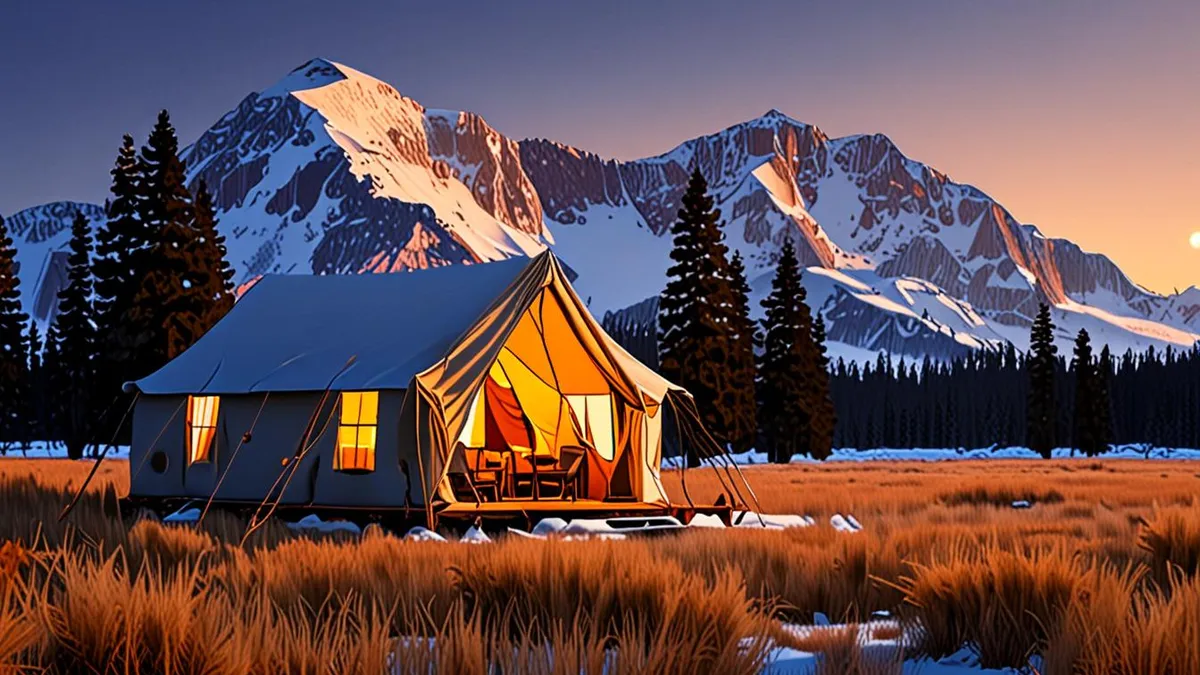
Cold-weather glamping is a different engineering challenge from a summer tent stay. Winter domes and cabins rely on wood stoves, insulated panels or underfloor heating to keep the interior comfortable, and the best setups combine two of these. Before booking, confirm exactly how the unit is heated, whether the stove runs overnight or needs refilling, and whether heating is included in the price or charged separately.
The reason this matters is simple: Alpine nights commonly drop to -5 to -15°C in winter. At those temperatures, heated interiors and reliable hot water are essentials, not luxuries. Ask specifically about hot water supply, how warm the unit stays by morning, and whether there is an insulated sleeping area or extra blankets provided.
Getting there in snowy conditions
Access is the question many travelers forget. Winter sites usually sit below 1,500 m precisely so roads stay usable, but a snowstorm can still change that quickly. Check whether the site is reachable by car in snow, whether winter tires or chains are required on the approach, or whether the operator offers a shuttle from a valley car park. If you want a fuller picture of how these stays operate, this guide to how cold-weather glamping works covers the heating and logistics side in more depth.
Finally, manage your expectations about the outdoors. Winter glamping trades hiking trails and lake swims for snow scenery, short walks and long evenings inside. If a wood stove, a window full of white peaks and a quieter pace sound appealing, the season will suit you well.
What Each Season Costs
Glamping prices in the Alps swing more by season than almost anywhere else. Summer stays typically run EUR 120-300 per night, and the best-positioned sites near lakes or cable cars push toward the top of that range in July and August. Winter domes usually cost EUR 200-450 per night, a premium driven by heating costs and the simple fact that far fewer sites open at all in the cold months.
The good news is that shoulder months reward flexible travelers. June, September and early December often cut prices by roughly 20-30% compared with peak dates, while still offering solid weather or early snow. If your dates can slide by a few weeks, the savings are significant enough to fund an extra night or a nicer unit.
For a broader comparison of how tents, domes and cabins are priced in general, this breakdown of glamping costs by stay type is a useful reference before you compare Alpine sites.
- Weekday nights in July and August often sit noticeably below weekend rates at the same site, so a Monday-to-Thursday stay can bring peak-season prices closer to shoulder levels.
- Larger units for families are usually priced per unit rather than per person, which means the per-person cost drops sharply once you share a dome or safari tent with three or four travelers.
- Heating surcharges are sometimes bundled into the winter rate and sometimes billed separately as firewood or energy fees, so ask what the nightly price actually includes before comparing sites.
- Early-bird and long-stay discounts exist at many sites, particularly for bookings made well ahead or for stays of a week or more, and they can stack with shoulder-month pricing.
When and How to Book
Alpine glamping inventory is small compared with regular hotels, so timing matters more than it does for most trips. A site with a dozen units can sell out its best weekends months in advance, and winter stock is thinner still because so few sites operate between December and March. Unlike a hotel chain, there is rarely another property down the road to fall back on if your first choice is full. Work through the steps below in order and you will avoid most booking headaches.
- Fix your dates first, then your destination. Availability, not location, should drive the search: if you want a specific week in February, you may need to accept whichever winter site still has openings rather than the one you first found. Flexibility on country helps too, since France, Switzerland, Austria and Italy all have different site networks.
- Reserve summer stays 3-6 months ahead. July and August weekends sell out earliest, so if you are locked into school holidays, book at the front end of that window rather than the back. June and September dates usually free up later.
- Give winter and Christmas/New Year dates 6-12 months of lead time. Very limited winter inventory means holiday-week domes and cabins are often gone before autumn arrives.
- Ask about minimum-stay requirements before you commit. They are common over public holidays in both seasons, and a three-night minimum can quietly reshape a weekend plan.
- Confirm the cancellation and deposit terms in writing. Winter stays in particular carry weather risk on mountain roads, so know what happens if access becomes difficult or the site cannot be reached.
One last habit worth adopting: reconfirm your arrival time a week before travel. Many glamping sites are small, family-run operations without a 24-hour reception, and a late arrival without notice can mean an unheated unit waiting for you in more ways than one. A quick message also gives the owner a chance to flag road conditions, parking details or anything else that will make check-in smoother.
Choosing a Stay Type and Packing for the Season
Not every glamping structure handles every season well, and choosing the right one saves you a lot of discomfort later. Domes suit winter best thanks to their insulation and compatibility with wood stoves, which is why most cold-weather operators build around them. Safari tents and yurts shine in summer, when canvas walls and open terraces become an advantage rather than a liability. Match the structure to the season and half your comfort questions are answered before you even start packing.
Packing differs just as sharply between the two seasons. Summer in the valleys feels mild at 15-25°C, but evenings cool fast and mountain weather can turn wet without much warning. Winter stays depend on solid heating and insulation, with nights that can sink well below freezing, so even a heated unit demands proper gear.
- For summer, pack a daypack with a rain shell and a warm midlayer even on sunny forecasts — afternoon thunderstorms are a real feature of Alpine summers, and trailheads can sit several degrees cooler than the valley floor.
- Broken-in hiking shoes matter more than new ones — most summer sites sit near trailheads, and blisters on day two will color your whole trip.
- High-altitude sun protection is easy to underestimate — bring sunscreen, a brimmed hat and sunglasses, since UV intensity rises noticeably with elevation even on cool days.
- For winter, thermal base layers and insulated boots should go in your main bag, not your ski gear — you will want them for walking between the car park and your dome, often on packed snow.
- A headlamp earns its place in winter above all — sites are dark by design, paths can be icy, and short days mean you will often arrive after nightfall.
- Bring warm sleepwear even in heated units — wood stoves burn down overnight, and stepping out at 2 a.m. in a dome at -10°C is no joke in cotton pajamas.
Summer or Winter: Which Alpine Trip Fits You
So which season wins? If you picture yourself hiking meadows, swimming in mountain lakes and keeping costs down, summer is your answer. It suits hikers, families and first-timers best, with far more sites to choose from, milder logistics and lower nightly prices across France, Switzerland, Austria and Italy.
Winter rewards a different kind of traveler. Couples and snow lovers who don’t mind paying more and booking further ahead get a cosier, quieter stay, with snow-covered scenery right outside a heated dome. The real trick is matching the season to your activities, budget and booking window before you pick a site, rather than choosing a site first and hoping it fits. If this helped you decide, leave a comment or share the article with your travel partner.