Hokkaido offers some of Japan’s best snow and wilderness, but choosing the right lodge region and season confuses first-time visitors. Should you base yourself in Niseko for powder, head east for lakes and national parks, or wait for summer flowers around Furano? And once you pick a region, how do you know which lodges include dinner, whether you need a shuttle transfer, or how far ahead to book?
This guide walks through Hokkaido lodge stays step by step. We start with what makes this island different from other mountain regions in Japan, then compare the best lodge regions, weigh winter against summer, and break down what lodges cost by season. You’ll also find advice on how and when to book, practical tips on packing, onsen etiquette and language, and a short planning checklist to tie it all together before you reserve your room.
Why Hokkaido Lodge Stays Differ from Other Mountain Regions
Hokkaido works differently from the mountain regions around Nagano or the Japanese Alps because the seasons complement each other rather than compete. In winter, Siberian weather systems crossing the Sea of Japan dump some of the lightest, driest powder snow you’ll find anywhere. Come summer, the same mountains shift to alpine flower meadows, cool hiking trails and calm lakes. That means lodges here rarely shut down between seasons, and you can plan a trip in almost any month.
The style of accommodation also sets Hokkaido apart. Outside Niseko, most lodges are small, family-run pensions or traditional onsen lodges rather than large resort hotels with ski-in access and concierge desks. You’ll often eat breakfast beside the owners, get trail advice at dinner and borrow gear from a shelf by the door. It’s a more personal experience, though it also means service levels and language skills vary from property to property.
Meals are part of the deal
Half-board dining, meaning dinner and breakfast included in your room rate, is standard at most lodges. This matters more than it sounds: many rural lodges sit far from any restaurant, so the evening meal becomes a highlight rather than an afterthought. Expect regional dishes like soup curry, grilled Genghis Khan lamb and fresh seafood from local waters, often paired with Hokkaido dairy and vegetables. If you have dietary restrictions, mention them when booking, since small kitchens have less flexibility than resort restaurants.
Best Regions for Hokkaido Lodge Stays
Hokkaido is large enough that your lodge region shapes your whole trip, so it pays to match the area to what you actually want to do. Skiers and snowboarders will find the widest choice in Niseko, which also has the most restaurants, international services and English-friendly staff of any lodge region on the island. If you’d rather pay less and share the slopes with fewer people, Furano and Tomamu make a quieter base for both skiing and summer hiking, sitting roughly 2-3 hours from Sapporo’s New Chitose Airport by road or rail.
Eastern Hokkaido plays a different game entirely. Around Akan and Shiretoko, lodges exist for lakes, national parks and hot springs rather than skiing, so winter visitors come for ice and scenery instead of lift tickets. The areas around Toya and Noboribetsu, closer to Sapporo, focus on hot springs and lake scenery and work well for shorter trips or travelers who want an easier transfer from the city.
- Niseko in detail: the ski season runs roughly early December to early April, with peak powder in January, and the village infrastructure means you can dine out nightly instead of relying on half board.
- Furano and Tomamu in detail: these inland areas see less coastal snowfall than Niseko but often have sunnier ski days, and the same lodges double as hiking bases when the flower fields bloom.
- Akan and Shiretoko in detail: Shiretoko’s remoteness means lodges can be small and fill quickly, so confirm access and meal arrangements well before you travel.
- Toya and Noboribetsu in detail: lakeside and hot spring towns here are among the easiest lodge regions to reach from Sapporo, making them a good first stop if you’re unsure about rural driving.
Winter vs Summer: Choosing Your Season
Winter is the reason many travelers plan a Hokkaido trip in the first place. Moisture picked up over the Sea of Japan meets cold air from the Asian continent and dumps legendary powder on the slopes, often refilling them almost daily in January. The trade-offs are real, though: days are short, roads ice over, and prices reach their yearly peak. If skiing is your priority, the season runs roughly early December to early April, but the deepest and most reliable snow concentrates in that January window.
Summer for hikers and nature lovers
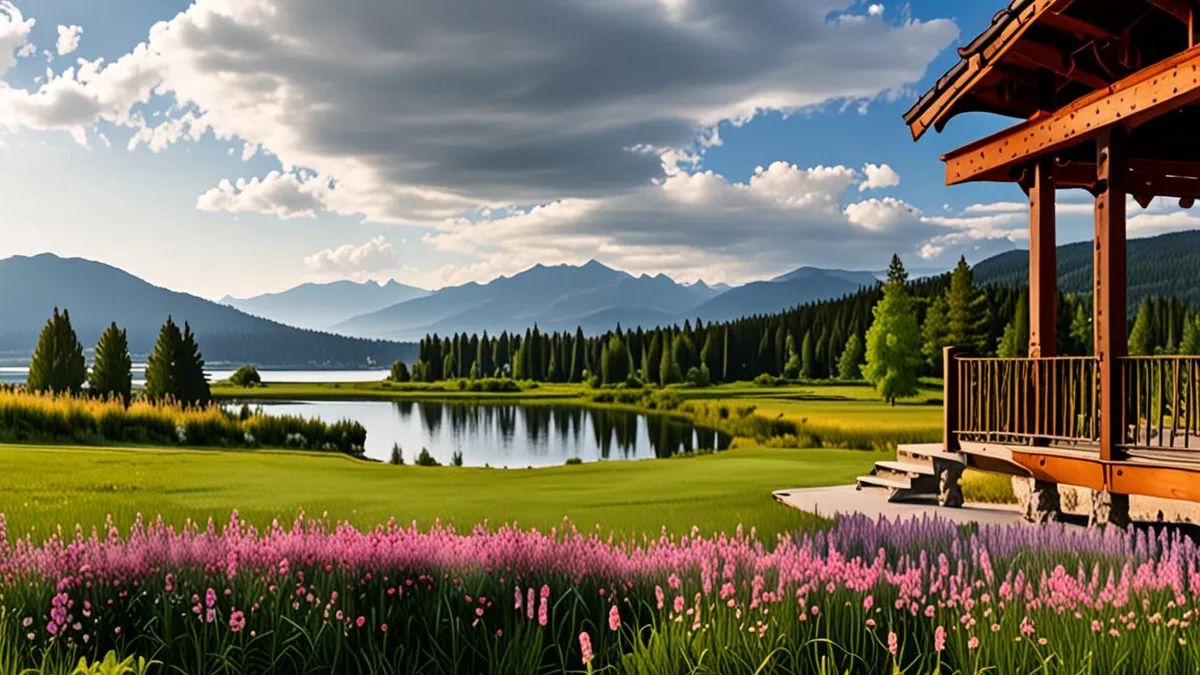
From June to September, the mountains swap powder for wildflowers and open trails. July brings lavender and flower season around Furano and Biei, when hillsides turn purple and the farm roads fill with cyclists. July and August are the busiest summer months, so expect company on popular trails and book lodges early. The upside is long daylight hours and mild temperatures that make multi-day hiking comfortable.
Shoulder months deserve a serious look if your schedule allows. Early December, late March and June often bring lower rates and thinner crowds, at the cost of less reliable conditions: early-season snow cover can be thin, late March slopes soften in the afternoon, and June weather can swing between clear days and rain. If you’ve traveled in other mountain regions, the logic is similar to planning a Rocky Mountain lodge stay around the season, where timing determines both price and experience. Choose the month that matches your priority, whether that’s snow quality, flowers or simply a quieter lodge with a room upgrade.
What Hokkaido Lodges Cost by Season
Hokkaido lodge prices swing more by season than in most Japanese mountain regions, so timing matters as much as location. For a mid-range lodge in most areas, expect around ¥15,000-30,000 per person per night with half board included. That usually covers dinner and breakfast, which matters in rural spots where the nearest restaurant may be a long drive away. Always read the rate details carefully, because the cheapest-looking price is sometimes quoted without meals and can end up costing more once dinner is added.
At the top end, luxury lodges and high-end onsen properties often exceed ¥50,000 per person per night during peak winter, especially in Niseko when the powder is at its best. If you are comparing Hokkaido with lodge regions elsewhere, it helps to read a cost breakdown of lodge stays by region to see how these figures stack up against the Alps, the Rockies or other parts of Japan.
Summer is where the savings live. Rates typically run 20-40% below January peak prices, with one notable exception: Obon in mid-August, when domestic travelers push prices back up around the country. If your dates are flexible, aim for June or September to catch the quietest rates.
- Half-board pricing means you pay for two meals whether or not you eat them, so it works out best if you plan to be at the lodge for dinner every night.
- Niseko’s most sought-after ski-in lodges can sit at the top of the mid-range band or above even outside the New Year holiday weeks, so compare several properties before committing.
- Some lodges quote per room rather than per person, which can look cheaper at first glance but changes once two people split a rate that already includes meals for each guest.
- Onsen lodges in the east, around Akan and Shiretoko, often price closer to the middle of the range even in winter, since they compete on hot springs and scenery rather than ski access.
How and When to Book
Booking windows in Hokkaido are longer than most travelers expect. For peak January ski dates in Niseko, book 4-6 months ahead, because the best small lodges have limited rooms and repeat guests who rebook each year. Popular summer lodges inside national parks, especially around Shiretoko and Akan, fill 3-4 months out. If you want a deeper look at timing strategies, this guide to when to book lodge stays and how seasons affect prices covers the basics well.
Check what your rate actually includes
Before paying anything, confirm whether the rate includes dinner and breakfast. Many rural lodges have no restaurant nearby, and arriving without a meal booked can mean a long drive on dark, icy roads or an empty stomach. Ask about meal times too, since some family-run pensions serve dinner at a fixed hour and cannot accommodate late arrivals.
Confirm winter access
Winter access is the detail that trips up the most visitors. Some lodges sit at the end of mountain roads and require a shuttle pickup or a 4WD transfer, which you need to arrange in advance. If you plan to drive, remember that rental cars in Hokkaido need winter tires from November to April, and most rental companies fit them as standard in that period. Still, ask your lodge about parking and the condition of the final approach road, since a few properties are unreachable by regular 2WD cars after heavy snowfall.
Finally, save the lodge’s contact details and share your expected arrival time. Small lodges often run on a skeleton staff, and a missed dinner slot is hard to fix on the day.
Practical Tips for a Hokkaido Lodge Trip
A little preparation goes a long way in Hokkaido, where distances are big and services thin out fast once you leave Sapporo and Niseko. These tips cover the details that most often catch first-time visitors off guard.
If your flight lands late, spend your first night near New Chitose Airport rather than pushing on to your lodge region in the dark. Mountain roads are tiring at night, and transferring the next morning is far safer and more pleasant. It also gives you a full day of daylight for the drive, which makes navigation and winter conditions much easier to handle.
Packing matters even in summer. Mountain temperatures can drop below 10°C at night, so bring layers and waterproof boots regardless of the season. A light rain shell and warm socks will earn their space in your bag on any hike around Furano, Biei or the eastern national parks.
- Learn onsen etiquette before you arrive: wash and rinse thoroughly before entering the bath, keep your small towel out of the water, and tie long hair up.
- Tattoo policies vary by property, so if you have visible tattoos, email the lodge in advance rather than assuming you will be refused or accepted.
- Download a translation app before you travel, and screenshot your lodge’s name and address in Japanese to show taxi drivers if needed.
- Bring cash, since some small family-run lodges and rural restaurants do not take foreign cards, and ATMs can be scarce in mountain villages.
- If you are renting a car, book a winter-tyred vehicle well ahead for ski season, as fleets sell out during peak powder weeks.
English is limited outside Niseko, so favor lodges that advertise English-speaking staff if you do not speak Japanese. Otherwise, a translation app will handle most meal and transfer conversations without trouble.
Planning Your Hokkaido Lodge Stay
Choosing a Hokkaido lodge stay comes down to two decisions: which region fits your trip and which season suits your plans. Niseko works best for winter powder, while Furano or the eastern national park areas shine for summer nature. Match that choice to a realistic budget of ¥15,000-30,000 per person per night for a mid-range half-board lodge, and remember that peak January dates in Niseko often need booking 4-6 months ahead.
Before you confirm anything, check the details that matter most in rural areas: whether meals are included, how you will reach the lodge, and what the onsen facilities actually offer. A few emails or messages at the booking stage prevent most surprises once you arrive. If this guide helped you plan your trip, leave a comment or share it with a fellow traveler.