You know you want a lodge stay, but you’re torn between waking up on the water and waking up above the treeline. It’s a common dilemma, and the lakefront vs mountain lodges question has no universal answer. The right choice depends on your season, your budget and how active you want your days to be. A dock with kayaks and a terrace with panoramic trails deliver two very different kinds of trip.
This guide breaks the decision down piece by piece. We’ll compare what each setting actually offers, when each one shines, and how their activity calendars differ. We’ll also look at costs, including why water-view rooms and ski-season dates carry premiums, plus realistic booking lead times so you don’t lose the room you want. Finally, we’ll match each setting to common trip types, from family weeks to hiking-focused escapes, and wrap up with a clear bottom line. By the end, you should know exactly which lodge fits your trip.
What Lakefront and Mountain Lodges Actually Offer
Lakefront lodges are built around one thing: the water. Expect private docks for morning swims, kayaks or paddleboards ready to launch, and designated swimming spots just steps from your room. The views run wide and open across the lake, which makes sunset the daily highlight. Many guests spend entire afternoons doing very little, and that’s precisely the point.
What mountain lodges put first
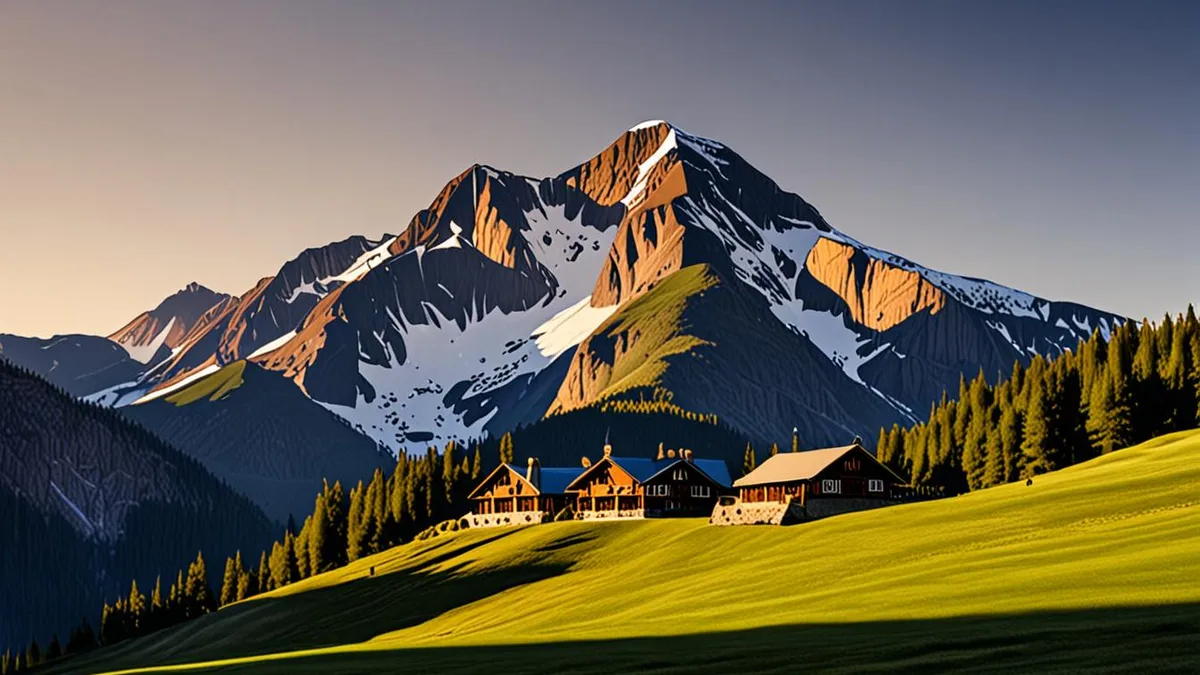
Mountain lodges center on elevation instead. Trailheads often start at the front door, so you can lace up your boots and be climbing within minutes. Terraces look out over valleys and ridgelines rather than open water, and summer temperatures tend to run cooler than down in the valley, which matters on hot days. The setting rewards movement: each viewpoint earns a slightly bigger panorama than the last.
The feel of each place differs as much as the facilities. Lakefront settings are calmer and more horizontal, with days measured by light on the water and slow meals on the terrace. Mountain settings feel more dramatic and activity-driven, with weather, altitude and trail conditions shaping your schedule. Neither is better; they simply suit different travelers. Knowing which rhythm you want is the first step to choosing right.
Season and Weather: When Each Setting Shines
Lakefront lodges peak from June to September, when swimming, kayaking and dock afternoons are at their best. Outside this window, water activities drop off sharply. A lakefront lodge in October is a quiet, scenic place, but the main reason you booked it is largely gone. Check the lodge’s own season dates before committing, since some close or cut back services once the summer crowds leave.
Mountain lodges follow a different calendar. Hiking season runs roughly late June to early October, and lodges above 1,500 m can see snow in any month, so pack layers even in July. Then December to March flips mountain lodges into ski territory, when prices typically run 30-50% above summer rates. If you want a sense of how conditions shift through the year, this guide to what mountain lodge stays are like in each season is a useful reference.
Shoulder months suit travelers who value quiet over full facilities.
- May: trails are usually quiet and lodges less busy, but high routes may still hold snow and some summer services may not yet be running.
- October: lakeshores are often empty and autumn colors are at their best, though water is too cold for swimming and some lakeside facilities wind down.
- Early December: a budget-friendlier entry into ski season, with fresh snow possible before the highest holiday rates arrive.
Whichever month you pick, confirm what is actually open when you arrive, from shuttle services to on-site restaurants. Match the setting to the season, and both options deliver.
Activities: Water Days vs Trail Days
Lakefront stays are built for water days. Kayaking, paddleboarding and swimming fill the hours, and many guests find the best activity is simply a slow morning by the shore with coffee, watching mist burn off the lake. There’s no trailhead to drive to and no summit schedule to keep.
One honest warning for swimmers: alpine lake water rarely exceeds 20°C even in August. A quick dip is refreshing; a long swim takes commitment. Bring a towel you actually like, and consider a shorty wetsuit if you plan to stay in the water.
What mountain stays offer instead
Mountain stays suit hikers and climbers. Trail networks usually start directly from the lodge, so you can be on the path before the day crowds arrive, and multi-day routes often connect right past the door. If you’re planning a hiking-focused trip, this overview of European mountain lodges for hikers shows what trailside lodging looks like in practice.
Mixed-interest groups should check whether their lodge offers both. Some mountain lodges sit on lakes and rent boats, while some lakefront lodges run guided hikes into nearby hills. Asking before you book can turn a compromise trip into one where everyone gets their best day.
Costs: What Each Setting Charges and Why
Lakefront lodges price their best rooms by the view. Direct water-view rooms typically cost 15-25% more than inland-facing rooms at the same property, so if you plan to spend most of the day out on the water anyway, an inland-facing room can be a quiet way to save without giving up much. Just check that shared spaces like breakfast areas and terraces still face the water before you book.
Mountain lodges follow a different rhythm. In ski season, from December to March, the same rooms often command a significant premium over summer rates. That winter bump reflects lift access, ski storage and demand from winter sports travelers, not just a change in scenery. Flip it around, and summer becomes the smart traveler’s window: a mountain lodge in July or August delivers the same alpine views and cool air at summer rates, well below the winter jump. If hiking rather than skiing is your goal, summer is usually the value pick.
Before you compare nightly rates, add up the full trip. The extras differ by setting, and they can swing the total more than the room price does.
- Equipment rental: lakefront stays often mean paying for kayak, paddleboard or boat rentals if the lodge doesn’t include them, which adds up over a week of daily use.
- Guided experiences: mountain lodges may charge separately for guided hikes, via ferrata outings or climbing instruction, especially for routes beyond marked trails.
- Seasonal package differences: some mountain lodges bundle lift passes or half-board in winter, which changes the comparison against a summer stay at the same property.
For a broader picture of how lodge prices vary by destination, this regional cost breakdown for lodge stays is a useful reference before you set a budget.
Booking Lead Times for Lakefront vs Mountain Lodges
Timing matters more for mountain lodges than almost any other booking detail. For peak summer and the December-to-March ski window, plan to reserve 3-6 months ahead. The most desirable properties, especially those with a handful of rooms and a strong view, sell out their best dates first, and late bookers are usually left with the least appealing rooms or the least convenient dates.
Lakefront lodges follow a similar pattern in their own high season. From June to September, they fill early, and the pressure is sharpest on water-view rooms. These rooms make up a small share of total inventory at most properties, so even a lodge with availability in August may have no direct water views left. If that view is the reason you chose the lakefront setting, book as early as you would for a ski lodge.
When shoulder season buys you flexibility
May and October work differently. In these shoulder months, trails are quieter, lakeshores are emptier, and many lodges have rooms available just a few weeks out, often at noticeably lower rates. You trade some full-service amenities for space and savings, which suits travelers who care more about the setting than the schedule.
A practical approach: lock in your dates 3-6 months ahead for any peak-season stay, and keep shoulder-season plans loose. If your dates are flexible, checking availability a few weeks before a May or October trip can turn up genuine bargains at lodges that were fully booked all summer.
Which Setting Fits Your Trip Type
The right setting depends less on which one looks better in photos and more on how your group actually spends its days. Families, hikers, winter travelers and photographers each have a clear winner here, and knowing yours before you book saves a lot of second-guessing.
Families tend to favor lakefront lodges, and for good reason. Water play at a lake is contained and easy to supervise compared with open trails, and the terrain around most lakefront properties is flat, which suits younger children and anyone who prefers gentle walks. Parents can relax on the shore while kids swim or paddle within sight.
Hiking-focused trips point the other way. Mountain lodges put trailheads at the door, which means you can start walking at dawn and be well above the crowds before mid-morning. That early start is hard to replicate from a lakeside base that requires a drive to reach any serious trail.
Winter trips are the clearest case of all. Once temperatures drop, a lakefront lodge loses its main draw: swimming, paddling and warm-weather shore time all disappear. Mountain lodges, by contrast, shift into ski territory and stay fully in their element from December to March.
- Photographers and slow travelers: lakefront mornings offer still water and mirror reflections before the breeze picks up, conditions that alpine ridgelines rarely match.
- Mixed-age family groups: flat lakeshore terrain means grandparents can join evening walks, while mountain lodges may limit shared activities to those comfortable with elevation and uneven ground.
- Early starters: hikers who want to be on the trail by sunrise benefit from sleeping at elevation, avoiding the drive and parking that day visitors face.
- Rest-day travelers: if your trip mixes active days with recovery days, a lakefront lodge makes rest days genuinely restful, while a mountain base can feel underused when you’re not hiking.
If your group splits between these styles, look for properties that straddle both worlds: some mountain lodges sit on lakeshores, and some lakefront lodges organize guided hikes into nearby hills.
Lakefront vs Mountain Lodges: The Bottom Line
So which one wins? If your trip is built around calm mornings, swimming and easy water days, a lakefront lodge in the June-to-September window is hard to beat. If you want drama at the window, trailheads at the door and a stay that works in summer or winter, a mountain lodge is the stronger pick.
In practice, the scenery matters less than your season, budget and trip style. A summer mountain stay can undercut a ski-season booking by a wide margin, while a water-view room carries its own premium. Match the setting to what you actually plan to do, and both options deliver. If you’re still torn, tell us about your trip in the comments or share this article with your travel crew.