Booking your first safari is exciting, but many travelers arrive with no clear idea of what a safari lodge actually is. Is it a hotel in the bush? A tent? Will there be a restaurant, a pool, or even phone signal? Without knowing what a lodge offers, it’s hard to tell whether the stay will suit your comfort level, your budget, or your travel style.
This guide walks you through everything you can realistically expect. We’ll explain how a lodge differs from a regular hotel, what facilities you’ll typically find, and how a full day unfolds from the early wake-up call to dinner. We’ll also cover the food, what game drives and guides include, and how to choose and book the right lodge for your trip. By the end, you’ll know exactly what you’re signing up for, and whether a lodge stay is the right way to experience the African wilderness.
What a Safari Lodge Is (and How It Differs from a Hotel)
A safari lodge is a purpose-built accommodation set inside or right beside a wildlife reserve, and it works very differently from a city hotel. Most lodges are deliberately small, with roughly 10 to 20 rooms, which keeps the atmosphere intimate and limits the impact on the surrounding wilderness. Instead of concrete towers, you’ll find buildings made from natural materials such as thatch, timber and stone, often designed to blend into the landscape rather than dominate it.
Pricing works differently too
Where a hotel typically charges room-only and leaves meals to you, safari lodge rates are usually full board with activities included. That means your accommodation, meals and guided game drives are bundled into one price, which makes comparing lodges a matter of looking at what each rate covers rather than just the nightly figure.
The location sets your schedule
Perhaps the biggest difference is that the reserve dictates your day. Park gates and wildlife activity center on dawn and dusk, when animals are most active, so the lodge plans your entire routine around those hours. Early mornings and late afternoons become the highlights, while the midday heat is for resting. If you’re used to sleeping in on vacation, this takes some adjustment, but it’s exactly what makes a safari stay feel so different from any hotel experience.
Typical Safari Lodge Facilities
Most safari lodges share a similar layout: a central main building that acts as the heart of the property, surrounded by guest rooms scattered a short walk away. The main lodge usually houses the dining room, bar and lounge, and it’s where guests gather between activities. Outside, you’ll typically find a swimming pool for the hot midday hours and an outdoor viewing deck or fire pit where everyone swaps stories about the day’s sightings.
Rooms vary widely in style and comfort. At the simpler end you’ll find solid chalets with basic furnishings, while high-end lodges offer spacious tented suites with canvas walls, wooden floors and sweeping views. Almost all rooms come with an en-suite bathroom and mosquito protection, whether that’s netting over the bed or screened windows.
Connectivity is where lodges differ most from hotels. Wi-Fi is often only available in the main area, and even then it can be slow, so expect limited connectivity in remote parks. Treat your stay as a chance to disconnect rather than a technical failure.
- Charging stations: many main areas have power outlets or charging stations where you can top up cameras and devices between drives, since in-room power can be limited or switched off at certain hours.
- Laundry service: most lodges offer same-day or next-day laundry for a small number of garments, which is why packing light works so well on safari.
- Curfew and escort: because lodges sit in unfenced or semi-fenced land, many require guests to be escorted by staff after dark, and some have evening curfews for safety.
- Gift shop and small library: a surprising number of lodges keep a modest shop for essentials and souvenirs, plus a shelf of field guides and novels to borrow during downtime.
A Day at a Safari Lodge: The Daily Routine
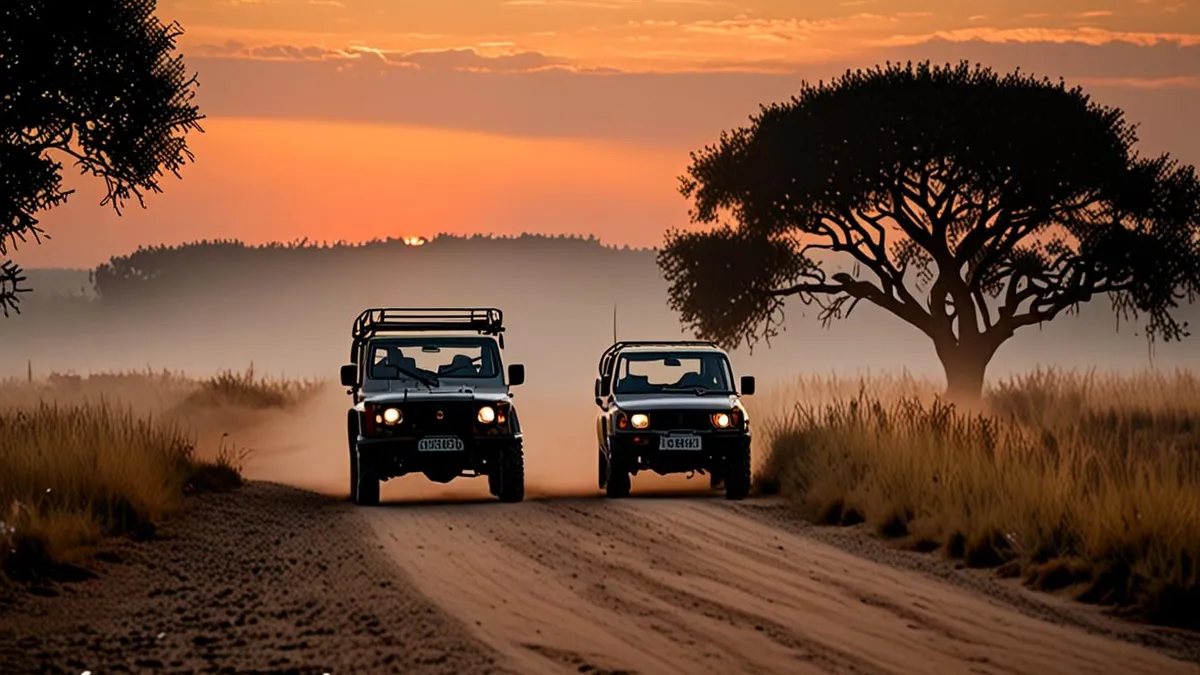
The daily routine at a safari lodge follows a rhythm set by the animals, not by you. Days start early and end early, with a long rest in the middle when the heat keeps wildlife hidden. It can feel strange at first, especially if you’re used to slow vacation mornings, but the schedule exists for a simple reason: dawn and dusk are when the park is at its most alive. Here’s how a typical day unfolds:
- Wake-up call around 5:00–5:30 am. A staff member knocks at your door at a time you agreed the night before. Coffee, tea and a light snack such as rusks or fruit are waiting, since there’s no time for a full meal before the morning drive.
- Morning game drive departs. You head out as the light comes up, when predators are most active. Drives typically last 3–4 hours, and your guide will stop for coffee and a leg stretch partway through, often at a scenic spot.
- Return late morning for brunch. Back at the lodge, a substantial brunch combines breakfast and lunch into one sitting, usually served on the deck with time to linger and swap sightings with other guests.
- Free time, pool or siesta. The hottest hours belong to you. Swim, nap, read on the viewing deck or watch animals visiting a waterhole from the lounge. This midday break is built into every lodge schedule.
- Afternoon tea around 3:30 pm. A light spread of tea, coffee, cake and sandwiches signals that the second drive is approaching.
- Second drive until sunset. The afternoon drive usually starts between 3:30 and 4:30 pm and ends by sunset, often with a sundowner stop along the way.
- Dinner around 7:30–8:00 pm. After a quick shower, everyone gathers for a three-course dinner, often served communally or under the stars.
Bedtimes come early because the next morning starts just as early. Most guests find the rhythm tiring for the first day and energizing after that, as the routine leaves you rested for every prime wildlife hour. If you’d rather skip a drive and sleep in, most lodges will accommodate that, though you’ll miss the best sightings of the day. A good tip: mention your preferences to the manager on your first evening, since schedules can often be adjusted for your group.
Meals and Food at Safari Lodges
Almost every safari lodge works on a full-board basis, which means your rate covers the food side of your stay. In practice that usually means an early breakfast or a lighter snack before the morning drive, a proper brunch or lunch when you return, afternoon tea before the evening drive, and a three-course dinner afterward. Some lodges also add a light snack during drives, so you are rarely hungry for long.
Bush breakfasts and sundowners
Two mealtime traditions tend to become trip highlights. The first is the bush breakfast, where the kitchen packs up coffee, eggs, pastries and fruit, and the guides set up a table in the middle of the reserve during the morning drive. The second is the sundowner, a drink stop at a scenic spot as the sun goes down, often with cold drinks and snacks brought along in the vehicle. Both are simple ideas, but eating breakfast while elephants graze in the distance is hard to forget.
Flag dietary needs early
If you are vegetarian or vegan, have allergies, or follow religious dietary rules, tell the lodge at the time of booking, not when you arrive. Lodges sit far from supermarkets, and kitchens order supplies in bulk before guest arrivals. Most are genuinely good at adapting menus, but they need advance notice to get suitable ingredients in. This is especially true for small camps in remote parks, where a resupply trip might only happen once or twice a week. A quick email when you book is usually all it takes, and it is worth confirming again a week or two before arrival.
Game Drives and Guides: What’s Included
Game drives are the heart of any safari stay, and at most lodges they are included in your rate. You will typically ride in an open-sided 4×4 vehicle along with other guests, led by a driver-guide who also acts as your spotter, tracker and interpreter for everything you see. Good guides make an enormous difference, so many travelers mention a favorite guide years later. Don’t be shy about asking questions; the best mornings often come from conversations about animal behavior, not just sightings.
If you would rather have the vehicle to yourselves, most lodges offer a private vehicle option at an extra cost. This suits photographers, families with young children, or anyone who wants the flexibility to linger at a sighting without checking in with five other people first. Rates for private vehicles vary widely, so ask when booking rather than assuming the price.
What are the rules on a game drive?
Drives run to a set rhythm: morning departures happen before breakfast, while afternoon drives finish by sunset, since most parks require vehicles back at the gate before dark. Your guide must stay on designated tracks and follow park rules on timing and distances to animals, which protects both wildlife and visitors. In private concessions some restrictions are looser, allowing off-road driving in certain cases. Respect these rules even when a sighting tempts everyone to push closer.
Many lodges also offer other activities beyond the classic drive. Walking safaris, night drives and boat trips are available at some properties, often at a supplement. These give you a different perspective on the bush, and a safari lodge in Tanzania on the edge of the Serengeti will offer a very different activity mix from a water-based camp elsewhere. Check each lodge’s activity list before booking so you know what is included and what costs extra.
Choosing and Booking Your Safari Lodge
The first decision is where, because the park shapes everything else about your safari. Kruger in South Africa offers easy access and a wide range of lodges at many price points. The Serengeti in Tanzania delivers vast plains and dramatic migrations, usually at a higher cost. Private concessions and conservancies allow experiences such as off-road driving and night drives that public parks often restrict. Each option suits different budgets and travel styles, so it pays to read up on the differences, including this guide on how to choose a safari lodge in Kruger.
Budget and timing
Mid-range lodges commonly cost $150–400 per person per night, usually including meals and game drives. Luxury camps often exceed $600 per person per night, adding finer dining, private guides and more exclusive locations. Timing matters just as much as budget. If you want to travel during peak season, roughly June to October in East Africa, book 6–12 months in advance. The best lodges in the best locations fill up first, and last-minute availability at good rates is rare in those months.
Check exactly what is included
Not all rates are created equal. Park or conservation fees are sometimes included in the nightly price and sometimes charged separately, and they can add a meaningful amount per day. Drinks range from fully inclusive to paid separately, and premium beverages often cost extra even at lodges that include house wines and beers. Activities beyond standard game drives, such as walking safaris or boat trips, are frequently supplements. Before you book, ask for a clear breakdown of what the rate covers, compare two or three lodges on the same basis, and confirm the current park fee with the lodge or your operator, since these rates change regularly.
Wrapping Up Your Safari Lodge Expectations
A safari lodge is a full-board, activity-driven stay built around dawn and dusk game drives, which is exactly what first-time guests often struggle to picture before they arrive. Meals, drives and downtime are all planned for you, so the main decision is whether you’re happy with early mornings and a schedule set by wildlife hours rather than your own.
Facilities are simple but well-designed: expect a pool, lounge, viewing deck and Wi-Fi that’s often limited to the common areas. Knowing the daily routine in advance, and booking 6–12 months ahead for the peak season, makes the whole stay far smoother. If this helped you picture your first safari lodge, leave a comment or share the article with a fellow traveler.