Glamping looks like the perfect family compromise: real beds, a roof over your head, and campfires without the packing chaos of traditional camping. But many parents hesitate, worried that those romantic safari tents and cozy domes are actually designed for couples on a getaway, not for a family with a toddler who still naps and a ten-year-old who needs space to burn off energy. The fear of booking a stay that turns out to be adults-only, too small, or too rustic is what stops a lot of families from trying family-friendly glamping in the first place.
The good news is that most glamping sites do welcome kids, but the details matter, and they vary a lot from one site to the next. This guide walks you through what to check before you book, how to choose the right stay type for your children’s ages, what a family trip typically costs, what to pack, and how to make your first outing an easy win.
Is Glamping Family-Friendly? The Short Answer
The short answer is yes, for most families. The majority of glamping sites welcome children, and many actively cater to them with playgrounds, farm animals, and family-sized units. But “most” is doing some work in that sentence: setups vary widely, from kid-ready safari tents with bunk beds to quiet adults-only retreats that explicitly ban children. A quick skim of a site’s booking page or a direct question to the host settles it in minutes, so never assume.
Size is the other thing parents get wrong. Family units usually sleep 4-6 guests, which sounds generous until you count two adults, two kids, and the possibility of a grandparent tagging along. Check the guest limit before you book, and ask about adding a cot if you’re at capacity, because some hosts charge extra or can’t accommodate one at all.
Why summer is the easiest time to plan
The peak family season runs June through August, which lines up neatly with school holidays. That makes summer the simplest window for a first trip: kids are free, the weather is generally cooperative, and sites expect families during those months. The trade-off is demand, so popular family units fill early and prices climb closer to your dates. If your schedule allows, late spring or early fall can be a pleasant middle ground, but for the easiest planning, summer wins.
Choosing the Right Stay Type for Kids
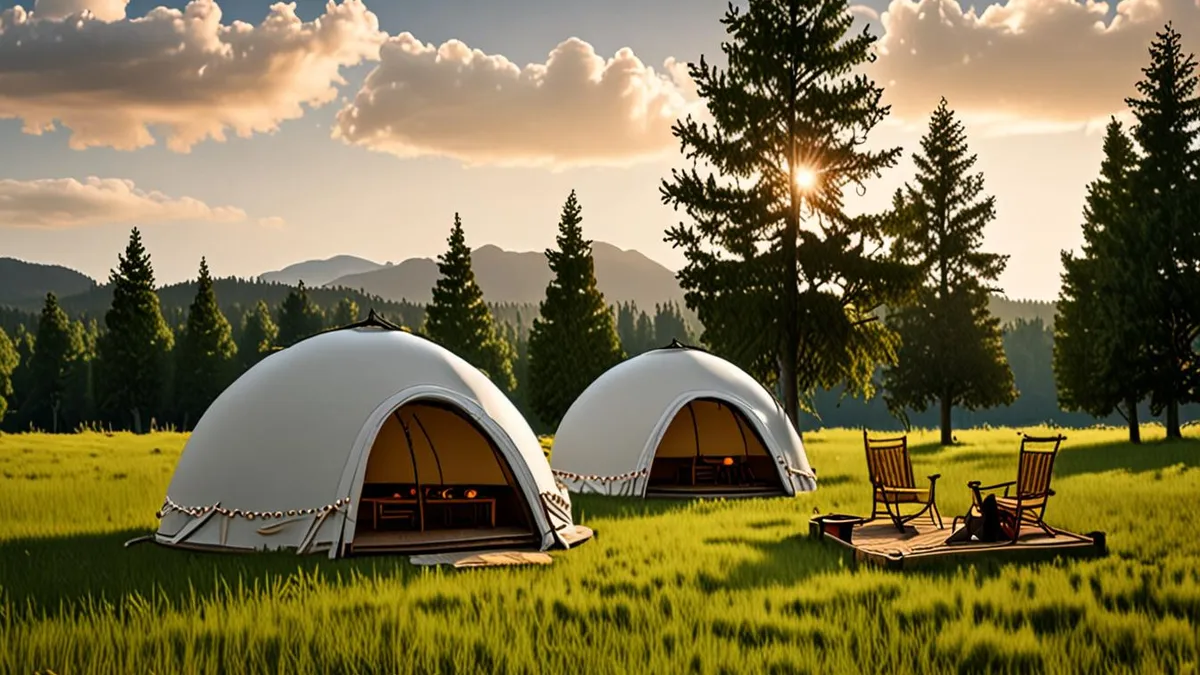
The stay type you pick shapes the whole trip, especially with young children in tow. Safari tents and glamping domes offer the most floor space of the common options, which matters more than you might think. Toddlers need room to move, diaper bags and strollers eat floor space fast, and a unit that feels cozy for two can feel cramped with four. If you want a closer look at how these structures compare on space, layout, and comfort, our guide to glamping domes, safari tents, and yurts breaks down the differences in detail.
When a yurt works for families
Yurts suit families who like the idea of a single open room where everyone shares one space. That layout is great with little kids, since you can hear and see everyone at once. The downside is privacy: there’s nowhere to escape, which can be a real issue with teens who want their own corner, or with parents hoping to read past the kids’ bedtime. If everyone in your crew is under ten, a yurt can be a fun, communal choice.
Separate sleeping areas matter more than you’d expect
Cabins and multi-room tents give you actual separate sleeping areas, and that’s the feature that matters most with babies or light sleepers. Being able to put a baby down in one room while adults stay up in another, without whispering in the dark, changes the whole experience. If naps and early bedtimes are part of your routine, prioritize a unit with a door between sleeping spaces over one with more style but less separation.
What to Check Before You Book
Photos and reviews only tell you so much. Before you pay, ask the host a few pointed questions, because the answers can make the difference between a smooth family trip and a rough one. Bedding is the first thing to confirm: bunk beds and rollaway cots are common in family units, but they’re not guaranteed, so verify exactly how many beds the unit has and whether an extra cot is available for your headcount. If you’re new to this, our beginner’s guide to planning a first glamping trip covers the booking questions worth asking in more depth.
Temperature control is the second big one. Canvas structures can swing 10-15 degrees from outdoor temperatures, which means a warm afternoon can turn into a chilly night. Ask whether the unit has heating, cooling, or both, and what the overnight lows are typically like in the season you’re booking. Bathroom access is the third: a private en-suite versus shared facilities changes the experience with small kids enormously, especially for middle-of-the-night bathroom runs and bath time.
Site rules worth reviewing
- Quiet hours: Many sites enforce them in the evening, which affects families with babies who cry at night, so ask how strictly they’re applied.
- Fire pits: Most sites set a minimum age or require children be supervised near fire pits, so know the rule before your kids get excited about s’mores.
- Minimum check-in age: Some sites require the booking adult to meet a minimum age, which rarely matters for parents but is worth confirming for older siblings or grandparents booking on your behalf.
- Kitchen access: Many family units include a kitchenette or shared camp kitchen, which shapes how you handle meals and snacks with kids.
How Much Does a Family Glamping Trip Cost
For a family-sized unit in the US, plan on roughly $150-400 per night. That range covers most setups, from basic yurts to large safari tents that sleep a family of four to six. The style of stay you choose has the biggest impact on where you land within it.
Safari tents and glamping domes tend to sit at the higher end. They usually offer more floor space, real beds and often a private bathroom, and you pay for those comforts. Yurts and sites with shared bathroom facilities usually sit at the lower end, which can make them a smart pick if your kids are comfortable walking to a bathhouse.
Timing matters just as much as stay type. Booking 2-3 months ahead for summer school-holiday dates helps you avoid peak-season price spikes, when popular family units get snapped up quickly and rates climb. If your dates are flexible, even shifting a trip by a week can make a noticeable difference.
One more tip: watch what is actually included. A unit with a kitchenette or access to a shared camp kitchen can save you the cost of eating every meal out, which adds up fast with kids. For a fuller picture of how each stay type compares, this glamping cost breakdown by stay type is a helpful reference.
Packing for Kids: What Glamping Still Requires
Glamping gives you real beds and a roof, but it is still the outdoors, so packing for kids looks more like camping than a hotel stay. Canvas walls breathe, which means evenings can cool off quickly even on warm summer days. Layers are your friend: t-shirts for the day, a fleece for the fire pit, and warmer pajamas than you would pack for an indoor trip.
Closed-toe shoes matter too. Many sites are on grass, gravel or dirt paths, and kids running around at dusk in sandals is a recipe for stubbed toes or worse. Water shoes are worth tossing in if your site has a lake or stream.
The essentials list has not changed much from regular camping. Sunscreen and insect repellent are must-haves since many glamping sites sit in rural areas with real sun and real bugs. Snacks are non-negotiable with children, especially if the nearest store is a 20-minute drive away.
Beyond the basics, a few comfort items make a big difference for younger kids adjusting to sleeping somewhere new:
- A favorite blanket or stuffed animal — familiar smells and textures help a child settle in an unfamiliar space far faster than anything you can buy on site.
- A small battery-powered nightlight — rural sites get genuinely dark at night, and a soft light prevents middle-of-the-night panic and stubbed toes on the way to the bathroom.
- Portable blackout solutions — a clip-on stroller shade or sleep mask helps with early summer sunrises when canvas lets the light pour in at dawn.
- A familiar bedtime sound — a small speaker or phone playing the white noise or lullaby your child normally falls asleep to bridges the gap from home.
Finally, bring a cheap flashlight or headlamp per child. Kids love having their own light for evening walks to the bathhouse, and it cuts down on complaints about the dark.
Making the First Family Trip Easy
The easiest way to guarantee a good first glamping experience is to keep it small. Pick a site within a 1-2 hour drive of home. If your toddler wakes up at 3 a.m. refusing to sleep in a tent, you can pack up and be in your own beds without a marathon drive ahead of you.
Start short, not long
For the first attempt, book a 1-2 night stay rather than a full week. A short trip gives everyone a taste of the experience without the pressure of committing to it. If it goes well, you can always return for longer. If it goes badly, you have only lost a weekend, not a vacation. Many families find that one successful overnight is all it takes for kids to fall in love with the format.
Pick a site with built-in entertainment
Not all glamping sites are set up with children in mind, so scan the site’s amenity list carefully before booking. The features that keep kids happiest are usually simple:
- Fire pits, where kids can roast marshmallows (most sites require children to be supervised near fire pits, so plan to stay close)
- Playgrounds or open grassy areas for burning off energy between meals
- Farm animals, which turn a simple overnight into a memorable experience for younger children
- Swimming areas, whether a pool, lake or creek, which are often the highlight of the whole trip
A site with one or two of these extras means you do not have to plan activities or drive anywhere. That is the real appeal of a good family glamping trip: the location does the entertaining, and parents get to relax near the fire instead of running a schedule.
The Bottom Line for Parents
So, is glamping family-friendly? Yes, it can be, as long as you match the stay type, sleeping setup and site rules to your kids’ ages. A safari tent with bunk beds works beautifully for a family of five, while a romantic dome for two will not. Ask the right questions before booking, and the worry that glamping is built for couples disappears quickly.
On the practical side, plan on spending roughly $150-400 per night in the US once you factor in the kids, and book 2-3 months ahead if your dates fall in the summer school holidays. Keep that first trip short and close to home, too: a one-night stay within an easy drive tells you far more about how your children handle glamping than a weeklong booking ever could. If this helped you plan your first family trip, leave a comment or share the article with another parent who is on the fence.