You booked a glamping escape weeks ago, and now the forecast shows rain from Friday evening to Sunday night. Your first thought is probably that the weekend is ruined — but glamping in rainy weather is rarely the disaster it sounds like. It can actually be surprisingly cozy, as long as you know what to expect and pack accordingly.
This guide walks you through the reality of a wet-weather stay: what rain sounds and feels like inside canvas, domes and cabins, which stay types handle downpours best, and how to find value in the rainy season. We’ll also cover how to book smart, what to pack for damp days, how to make the most of rainy days on site, and why a wet forecast doesn’t have to spoil the trip at all.
What Glamping in Rainy Weather Is Actually Like
The first thing to know is that rain rarely means misery inside a glamping unit. Canvas tents and yurts feel warm and dry during a shower — the fabric keeps water out remarkably well, and with heating on, the interior stays snug. The trade-off is noise: you will hear every shower drumming on the canvas above you, sometimes loudly enough to wake light sleepers during a night of heavy rain.
Hard shells change the experience
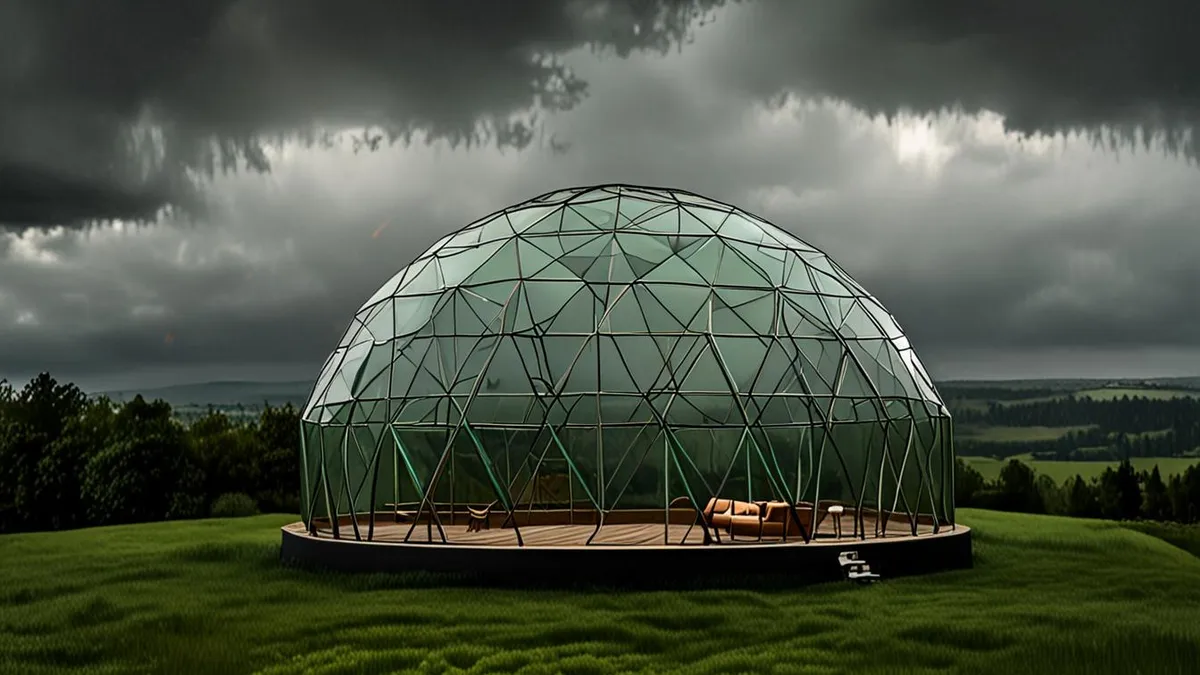
Domes and cabins with solid or clear shells are a different story. They stay the quietest and driest during prolonged downpours, since rain slides off a hard roof rather than soaking into fabric. If you’re a light sleeper or facing a stormy forecast, this is the single biggest comfort difference between stay types.
Outside your unit, expect the ground itself to change. Paths between tents, kitchens and bathrooms often turn muddy after a day of rain, so wellies beat trainers in almost every scenario. Pack a towel by the door for wet boots and accept that you’ll be stepping carefully after dark.
One pleasant surprise: covered verandas and communal lounges often become the social heart of a rainy-weather stay. Guests gather under shelter to cook, chat and watch the weather roll past, and many travelers find the atmosphere friendlier than on a packed sunny weekend.
Choosing Stay Types That Handle Rain Best
Not all glamping units cope with rain equally well, and choosing the right one matters more than any packing list. Glamping domes and cabins are the most rain-proof options available: solid roofs shed water, sealed windows keep draughts and drips out, and interiors stay dry even through hours of steady rain. If your dates look wet, these are the units to target first.
Safari tents sit in the middle ground. Their raised decks keep you above puddles and they handle ordinary showers without fuss, but a long storm can soak canvas seams and leave the interior feeling damp. Bell tents and yurts are the most vulnerable to prolonged downpours, and both need good ventilation while it rains to limit condensation building up on the canvas — cracking vents open, even in wet weather, makes a real difference.
Before booking, ask the site a few direct questions. It also helps to read up generally on how these operators work — this guide to checking glamping site policies before you book covers the same questioning approach that applies here.
- Covered porch: ask whether your unit has one and how large it is — a deep overhang means you can cook, dry boots and sit outside even in steady drizzle.
- Hard flooring: wooden or solid floors stay drier underfoot than groundsheet-style bases, which can let damp seep through during multi-day rain.
- Heating: confirm what type is provided — a wood burner or electric heater keeps condensation down and makes a wet weekend genuinely comfortable rather than merely survivable.
When and Where to Go for Rainy-Season Value
If you’re flexible on dates, the rainy season can be the smartest time to book. In the UK, the wettest conditions typically arrive between October and January — but that’s exactly when rates drop to around 20-40% below summer peaks. Paying less than half price for the same unit, with rain you can plan around, is a trade many travelers are happy to make.
The sweet spot: late spring and early summer
For the best balance of mild weather and lower prices, aim for May to July. These are typically the driest UK months, yet they fall outside the peak school-holiday window, so shoulder-season pricing often applies. You get long evenings, softer light and a decent chance of dry days without paying August rates.
Where you go matters as much as when. Regions with milder, wetter winters — southwest England is the classic example — suit hard-shell domes and cabins, which shrug off the damp far better than canvas. If you’re still deciding between regions, this comparison of the best UK regions for glamping breaks down how each one performs.
There’s a quieter bonus to shoulder-season rain, too: fewer guests. Trails are calmer, shared facilities are less crowded, and last-minute availability improves noticeably. If a dry weekend appears in the forecast at short notice, you’re far more likely to snag a cancellation than in July.
Booking Smart for a Wet-Weather Trip
Booking a glamping trip for the wet season is a little different from booking a summer getaway. The forecast is less reliable, the facilities matter more, and a few questions to the host before you pay can save you a damp, disappointing weekend. I learned this the hard way after one autumn trip where the “luxury tent” turned out to sit in a natural drainage channel. Now I treat the booking stage as part of the adventure, and it has made every wet-weather trip since far more enjoyable.
- Book covered communal areas early. If a site has a covered veranda, indoor kitchen or shared lounge, those spaces become your living room when the rain settles in. For wet-season dates, aim to reserve at least 4-6 weeks ahead, because the best-equipped sites fill up first even when the weather looks doubtful.
- Read reviews with rain in mind. Skim past comments about views and breakfasts and search specifically for mentions of leaks, damp smells and muddy or waterlogged paths. Drainage problems only show up in wet-weather reviews, so they are gold dust. If you want a proper system for this, it helps to read up on how to spot red flags in glamping reviews before you commit.
- Question the host directly. Ask how the unit is ventilated during rain and how quickly the canvas dries after a heavy downpour. A host with a confident, specific answer has dealt with wet weather before; a vague one is a warning sign.
- Prioritize flexible cancellation. When you are booking months ahead of an unpredictable forecast, a policy that lets you shift dates or cancel without losing everything is worth paying slightly more for.
None of these steps takes more than a few minutes, and together they stack the odds firmly in your favour. Ask for photos of the paths and porch if the listing is unclear, and confirm what heating is included rather than assuming. A little diligence at booking stage is the difference between a cozy rainy retreat and a soggy ordeal — and once you have done it a couple of times, the whole process takes barely ten minutes.
What to Pack for Rainy Glamping
Packing for rainy-weather glamping is less about bringing more and more about bringing smarter. Waterproofs sound bulky, but a rain jacket and trousers for two people pack down to roughly 2-3 liters of luggage space — less than a pair of trainers. That leaves plenty of room in the car for the things that actually make a wet weekend comfortable. The real challenge is keeping things dry once you are on site, because wet clothing has a habit of multiplying in a small tent, and a soggy heap of kit by the door can swallow the floor space of even a generous dome or cabin.
Clothing strategy matters more than quantity. Follow the rule of one dry set of clothing per day plus one emergency set, and resist the temptation to pack extra “just in case”. Everything beyond that risks staying damp in your bag anyway. Choose fabrics that dry quickly — merino and synthetics beat cotton every time, because a soaked cotton hoodie can take a day or more to dry inside, while a base layer hung near a heater is usually ready by morning.
- Wellies or waterproof boots. Paths between tents, kitchens and bathrooms turn to mud quickly, and trainers rarely recover from a single wet weekend. Wellies also double as slippers around camp.
- Quick-dry towels. Standard bath towels stay damp for days in humid canvas accommodation, while microfibre versions are wrung out and usable again within hours.
- Sealable bags for electronics. Phones, chargers and e-readers live dangerously in a tent where everything is slightly damp. Zip-lock bags cost pennies and have saved more of my gadgets than I care to admit.
- Board games, downloaded films and a headlamp. Evenings indoors are the reality of rainy trips, not an occasional treat. A headlamp is essential for navigating unlit paths to the bathroom after dark.
Finally, leave a little spare bag room for the trip home. Damp wellies and rain gear need to travel somewhere, and shoving them in with clean clothes is how everything arrives smelling of wet canvas. A cheap roll of bin bags solves the problem: one for muddy boots, one for wet waterproofs and one for laundry. Pack them at the top of your bag, not the bottom, because the first thing you will want on arrival is exactly this kind of small, unglamorous kit.
Making the Most of Rainy Days On Site
Rain changes the rhythm of a glamping trip, but it does not have to ruin it. The guests who enjoy wet-weather stays most are the ones who stop fighting the weather and start planning around it. That starts with how you structure each day.
Build days around one anchor activity
Instead of hoping for a full day outdoors, plan a single anchor activity per day and treat everything else as flexible. A short hike timed between showers, a covered market visit or a long pub lunch gives the day shape without depending on the sky holding up. If the weather improves, you have gained bonus time; if it does not, you have still done something memorable.
Claim the communal spaces
Covered verandas and shared lounges are the social heart of a site in the rain, and too many guests never use them. Cook in the shared kitchen, spread out a book on a dry veranda with a hot drink, or join whatever board game is running in the lounge. Hiding inside your tent all day is the fastest route to feeling cooped up.
One practical task: let canvas air out whenever a dry spell appears. Tents and yurts typically need 24-48 hours to fully dry after heavy rain, so opening windows and doors during a break in the weather keeps condensation and mustiness at bay.
Above all, embrace the atmosphere. Rain drumming on a dome or tent while you are warm and dry inside is part of the experience, not a failure of the trip. Some of my favorite glamping memories involve storms — the key was being prepared enough to enjoy them.
Rain or Shine: Your Glamping Trip Can Still Deliver
So, rain all weekend — is your glamping escape ruined? Far from it. Wet-weather glamping usually means cozy interiors, lower prices and quieter sites rather than a spoiled holiday. While peak-summer campers fight for space, you get the wood burner, the hot drinks and the sound of rain drumming overhead pretty much to yourself.
It comes down to three essentials: choose a dome or cabin if you want the driest, quietest stay, book sites with covered communal areas early, and pack proper waterproofs. Do that, and a wet forecast stops being an obstacle and becomes part of the atmosphere — steam rising off your coffee, rain on the roof, nowhere you need to be. With the right stay type and kit, the weekend you were worried about might turn out to be the one you remember. If this helped you plan a soggy-but-brilliant trip, leave a comment or share the article.