Booking a self-catering lodge for the first time often comes with a nagging question: what will actually be waiting for you when you open the door? Many travelers worry that the kitchen will be missing something essential, that they will have to hunt for towels at midnight, or that the whole trip requires more planning than it is worth. Those concerns are common, and most of them disappear once you know what lodges typically provide and what they expect you to bring.
This guide walks through the whole experience, from understanding what facilities a lodge usually includes to booking at the right time, asking the right questions before you pay, packing sensibly, and planning meals and shopping. We also cover arrival day routines and how to live comfortably in a lodge without hotel services. By the end, you will know exactly what to expect and how to prepare, so your stay runs smoothly from the first shop to the final check-out.
What Is a Self-Catering Lodge? Facilities You Can Expect
A self-catering lodge is a private, standalone accommodation where you handle your own cooking, cleaning and daily routine. Unlike a hotel, there is no restaurant downstairs and no front desk to call. The trade-off is space, privacy and freedom: lodges typically sleep 4-10 guests, which makes them a cost-effective choice for families and groups traveling together.
The kitchen and living space
The heart of any self-catering lodge is its full kitchen. You can normally expect a fridge, an oven or hob, cookware, plates and cutlery for the stated guest count. That means if the lodge says it sleeps eight, there should be enough tableware and pans to feed eight people. What you will not find are pantry staples like oil, spices or coffee, so plan to bring those yourself.
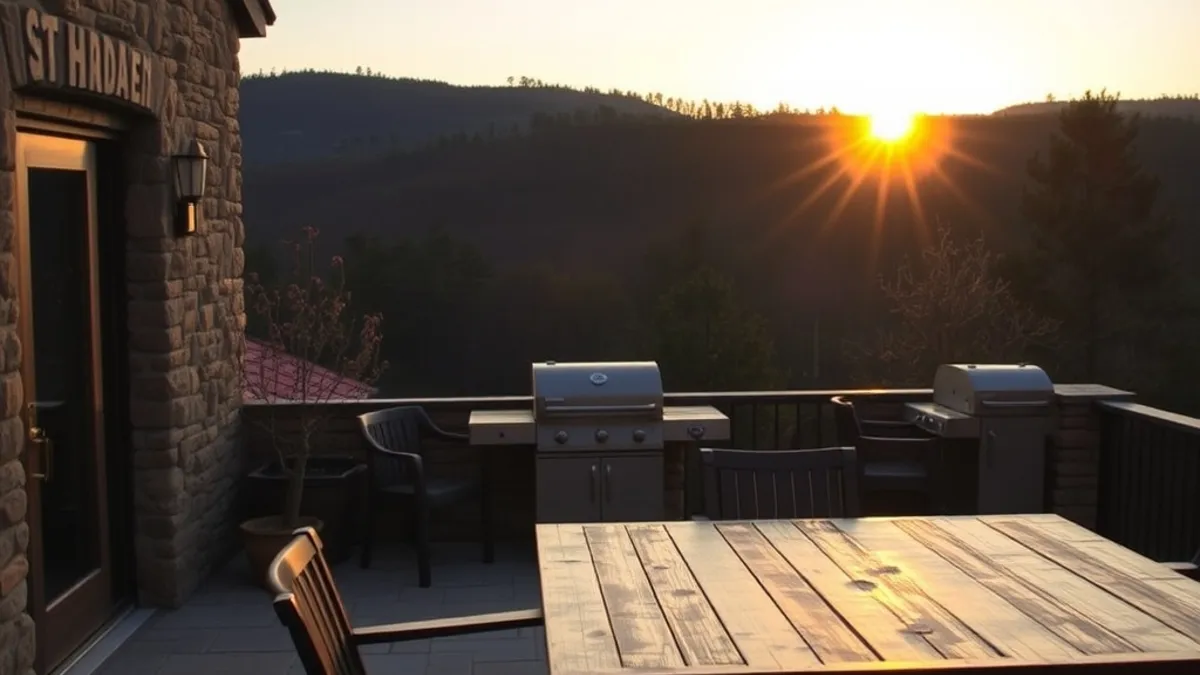
Beyond the kitchen, lodges usually offer a lounge and a dining area, plus outdoor space such as a terrace, balcony or fire pit. Bed linen and towels are normally included, and most units also provide cleaning equipment and a washing machine, which is handy for longer stays.
What you will not get
Set your expectations before you arrive: in many cases there is no daily housekeeping, no restaurant and no reception staff. You make your own bed, wash your own dishes and sort out your own check-in. For travelers who value independence over service, that is exactly the appeal.
How and When to Book Self-Catering Lodges
Timing matters more with lodges than with most hotel rooms, because popular units in popular weeks sell out early. A lodge that sleeps 4-10 guests is exactly the kind of property that large families and groups book first, so the best-equipped and best-located units are often gone long before the season starts. The good news is that the rules are simple once you know them, and a bit of planning can save you real money. Here is how to approach the booking process step by step, from choosing your dates to protecting your budget against surprises.
- Reserve 3-6 months ahead for summer and holiday weeks. These are the weeks when families and groups compete for the same limited stock of lodges, and the best-equipped units go first. Booking early gives you the choice of layout, view and size rather than whatever is left. It also gives you time to ask owners questions and compare several properties properly.
- Aim for 1-2 months ahead off-season. Outside peak weeks, availability is usually generous and you can often book on shorter notice. This is also when owners are more open to negotiating shorter stays or flexible dates, which is handy if your schedule is not fixed.
- Compare peak and shoulder-season prices. Expect peak-season weekly rates to run 30-50% higher than shoulder-season prices. Shifting your stay by a week or two at either end of the season can make a noticeable difference to your total cost, especially for larger lodges priced per property rather than per person.
- Check minimum-stay rules before you commit. Many lodges require 3-7 night minimums in high season. If you only want a long weekend, look at shoulder-season dates or ask the owner directly whether exceptions are possible.
- Budget for the damage deposit. Most lodges require a refundable damage deposit of roughly 200-500, paid either at booking or on arrival. Plan for it in your cash flow and check when it will be returned, since waiting for a refund after check-out is common.
For a deeper look at how seasons shape both availability and pricing, the guide to when to book lodge stays and what each season costs breaks it down in detail.
Questions to Ask Before You Confirm
Lodge listings vary widely, and photos rarely tell the whole story. A wide-angle shot can make a compact lounge look generous, and a carefully styled kitchen photo will never show you whether there is a single baking tray or four. A few targeted questions before you confirm can prevent the most common disappointments, from missing cookware to a Wi-Fi connection that only works near the front door. Send your questions in writing, whether by email or through the booking platform’s messaging system, so you have the answers on record if anything does not match the description on arrival.
- Kitchen contents and starter pack. Ask for a list of what the kitchen includes and whether a starter pack with coffee, salt and dish soap is provided. Also ask about small items travelers often assume exist, such as a kettle, toaster, baking trays and enough mugs, plates and cutlery for your full group. If you plan to cook seriously, confirm the oven size and whether there is a dishwasher.
- Heating, cooling and connectivity. In remote areas, ask specifically whether heating or air conditioning is in every room rather than just the living space, and how reliable the Wi-Fi is for video calls or streaming. Ask which mobile network gets signal at the lodge, since coverage can differ sharply between providers just a few kilometers apart.
- Check-in, check-out and keys. Confirm the exact check-in and check-out windows and how you collect the keys, especially if you will arrive outside those hours or late in the evening. Some lodges use lockboxes or meet-and-greet arrangements, and knowing this in advance avoids standing in the dark with groceries melting in the car.
- Parking, accessibility and shopping distance. Verify how many parking spaces are included and whether access is suitable for anyone with limited mobility. Just as important, find out whether the nearest supermarket is minutes or an hour away, because that shapes your whole arrival-day plan.
Getting these answers early also helps you pack correctly, plan meals realistically and decide whether the lodge genuinely suits your group. If a host answers slowly or vaguely before you book, treat that as a fair signal about how responsive they will be once you are staying there.
How to Pack for a Self-Catering Stay
Packing for a self-catering lodge is closer to packing for a rented apartment than for a hotel room. Because you won’t find staff on hand to cook your meals or freshen the towels each morning, everything a hotel would normally supply falls on you to bring or buy. The kitchen will have cookware and utensils for the stated guest count, but pantry staples are usually limited to a small starter pack, if that.
Think about the first twenty-four hours especially. If you arrive in the late afternoon, you may not want to cook a full meal that night, so having your own coffee, tea and a few snacks in the car makes the first evening much easier. Consumables are the other big category: linen and towels are normally included, but toilet paper, dish soap and laundry detergent typically come in starter quantities only, enough for a night or two rather than a full week.
Before you start making lists, it helps to work through a full checklist so nothing obvious gets forgotten. A good resource for this is the practical packing checklist for a lodge stay, which goes item by item through everything worth bringing.
- Pantry basics you actually use: cooking oil, your favorite spices, coffee, and condiments like ketchup or soy sauce. Lodges rarely stock these beyond a starter sachet, and buying full bottles at a small rural shop gets expensive fast.
- Consumables for the whole stay: enough toilet paper, dish soap, laundry detergent and trash bags to last every night of your trip, since the starter quantities are not designed for a week-long visit.
- Kitchen extras for serious cooks: a sharp knife of your own, foil, food containers for leftovers, and reusable shopping bags. Lodge knives are often dull, and many rural stores charge for plastic bags or have stopped offering them.
- Evening entertainment: playing cards, a laptop with downloaded films, or books. Beyond a TV and a stack of board games, most lodges offer little else, and mobile signal or Wi-Fi in remote spots can be weaker than you expect.
Planning Meals and Shopping
Food planning makes or breaks a self-catering trip. The groups that enjoy these lodges most are usually the ones that treated the week like a small household project: a shopping plan, a rough menu, and a fair split of the work. The groups that struggle are the ones that assume someone will figure it out on arrival evening.
Shop once, shop big
Before you travel, find out where the nearest full supermarket is and whether it is minutes away or closer to an hour. In remote lodge areas the closest shop may be a small convenience store with limited stock and higher prices, so a big supermarket an extra fifteen minutes down the road can be the better choice. Do one large shop on arrival day and fill the fridge properly. Bring your reusable bags from home and check the freezer space before you load it up.
Match meals to the kitchen
Plan group meals in advance and keep the lodge’s equipment in mind. A single oven and a four-ring hob can feed eight people comfortably, but not if two people planned elaborate dishes for the same evening. Simple one-pot meals, pasta dishes and sheet-pan dinners work well for large groups. If the lodge offers a barbecue or fire pit, use it: it turns dinner into an event and takes pressure off the indoor kitchen. Buy charcoal or firewood locally rather than hauling it with you, since many rural areas have restrictions on bringing wood across regions.
Finally, agree on duties before the trip starts. Rotating who cooks and who cleans, or pairing one cook with one helper each night, keeps the stay relaxed and stops the same two people from ending up in the kitchen every evening.
Arrival Day and Living in the Lodge
The first few hours in a lodge set the tone for the whole stay. Unlike a hotel, there is no receptionist to walk you through the practical details, so a little structure on arrival day goes a long way. These steps take under an hour in total and prevent most of the small problems that come up during self-catering stays.
- Plan your shopping before you set off. Know where the nearest supermarket is and arrive with your meal plan ready. Since check-in is usually between 15:00 and 17:00, doing one large shop right after you get the keys means dinner is sorted before it gets dark, even in winter.
- Photograph the lodge on arrival. Take clear, dated pictures of the kitchen, floors, furniture and any existing marks or damage. Because many lodges hold a refundable deposit against damage, paid at booking or on arrival, this simple habit is your best protection against disputes when you check out.
- Read the information folder. It typically covers how the heating works, where the fuse box is, and the specific waste-sorting and recycling rules. Rural lodge areas are often strict about separating waste, and incorrect sorting can mean extra fees or an unpleasant note from the owner.
- Note the neighbor rules. Lodges often sit in small communities of a few units, so quiet hours and shared-space etiquette matter. Keep noise down in the evening, park only in your marked spot, and leave outdoor areas such as terraces and fire pits tidy for the next guests.
Once these basics are handled, the lodge simply becomes your home for the week. Cook, relax on the terrace, and enjoy the privacy that no hotel can offer. A calm, organized arrival day is what makes the rest of the trip feel effortless, and it takes very little effort to get right.
Wrapping Up Your Self-Catering Lodge Plan
A self-catering lodge can feel unfamiliar if you have only ever stayed in hotels, but the essentials are simple: you get a full kitchen, private space and no hotel services. Most lodges supply fresh bed linen and towels as standard, while consumables come in starter quantities only, so most of your planning comes down to what you pack and where you shop.
On the booking side, reserving 3-6 months ahead for peak weeks and checking kitchen details with the owner avoids most surprises. Then, if you bring your pantry staples and enough consumables for the full stay, everything runs smoothly from day one. A little preparation really is the difference between a relaxed group trip and a scramble for the nearest supermarket. If this helped you plan your first lodge stay, leave a comment or share this article with your travel companions.