Glamping in Europe can be wonderful at almost any time of year — but only if you match the right region to the right month. Book a canvas tent in the Alps in October and you may find the site closed; book a dome on the Mediterranean coast in August and you could be sweltering in peak-season crowds and prices.
This guide breaks down the best seasons for glamping in Europe region by region. We’ll start with why timing matters more for tents and domes than for hotels, then cover the Mediterranean, the Alps and Central Europe, the UK, Ireland and Scandinavia, and the limited but rewarding options for winter stays. We’ll finish with practical planning tips on booking windows and budgets, plus a quick takeaway to help you pair your destination with its ideal season.
Why Timing Matters for Glamping in Europe
Glamping sites behave very differently from hotels when it comes to the calendar. Many are small, seasonal operations that shut down entirely outside their main window — the owner may pack up the tents, drain the pipes and reopen months later. A hotel that’s open in November doesn’t guarantee the safari lodge or bell tent site down the road is.
There’s also a comfort factor. Tent and dome structures are far more affected by rain, wind and cold than conventional accommodation. A wet, blustery week that a brick hotel shrugs off can leave a canvas tent damp, noisy and miserable. That’s why the “open” dates of a glamping site usually reflect genuine weather limits, not just demand.
The shoulder-season advantage
If you can travel outside the peak July–August rush, the savings are significant: shoulder-season visits can cut costs by 30–50% compared with peak dates. You also get quieter sites, easier availability and often more attentive hosts, since fewer guests are sharing the facilities.
The trick is knowing which regions reward off-peak visits and which simply close. The sections below break that down region by region, starting with the Mediterranean.
Mediterranean Europe: Spring and Autumn Shine
The Mediterranean is the most forgiving glamping region in Europe, and its sweet spots are clear: April–June and September–October deliver warm days of roughly 20–28°C without the peak heat or the peak crowds. Sea temperatures are pleasant by late spring, campsites feel relaxed, and canvas stays comfortable rather than stifling.
July and August are a different story. Highs regularly exceed 30°C, which can make canvas tents and domes genuinely uncomfortable during the middle of the day — expect a siesta-worthy lull unless your site has shade, airflow or air conditioning. Prices also peak sharply in these months, so you pay the most for the least comfortable sleeping conditions.
Where the season stretches longest
Coastal areas of Spain, southern France, Italy and Greece stay open longest thanks to their mild winters. Many coastal sites operate well beyond the core summer months, and some run close to year-round, though it’s always smart to confirm opening dates with the individual site before booking.
Spring and autumn also suit certain trip styles better than high summer. If you’re traveling with a dog, for example, cooler months mean easier walks and fewer restricted beach hours — it’s worth checking whether a glamping site welcomes pets before you book, since policies vary widely. For couples and solo travelers, the shoulder months deliver the Mediterranean at its best: warm, quiet and far easier on the budget.
The Alps and Central Europe: A Short but Stunning Summer
The Alps reward glampers generously, but the window is short. June–September is the reliable season, with July and August the warmest months, bringing valley temperatures of around 18–26°C. Days are long, mountain lifts and trails are fully open, and the scenery is at its greenest.
Shoulder months are riskier. In late spring and especially autumn, nights cool quickly, and many high-altitude sites close by mid-October as temperatures drop toward freezing. A dome that feels cozy in August can be a very different proposition on a cold September night at elevation, so check the site’s closing date and heating setup rather than assuming a long season.
Lower elevations, longer seasons
You don’t have to stay high to enjoy the region. Germany, Czechia and Slovenia offer a slightly longer May–September season at lower elevations, where spring arrives earlier and autumn lingers. Forest settings, lake districts and rolling hills make these countries excellent alternatives if your travel dates fall outside the core Alpine summer.
Because many of the region’s best sites sit at the edge of protected mountain landscapes, it pays to choose your base carefully — this guide to picking a glamping base near national parks walks through how to balance access, scenery and seasonality. Whatever you choose, treat June–September as your planning anchor and book early: Alpine summers are short, and the best sites fill fast.
UK, Ireland and Scandinavia: Make the Most of Northern Summers
Glamping in the UK and Ireland works on a fairly narrow calendar, but that is no reason to avoid it. May through September is the practical season, when most sites are open and the weather cooperates often enough to enjoy canvas and deckchairs. June, July and August typically bring daytime averages of 15–22°C — comfortable for sleeping under canvas, though you will rarely need sunscreen and a duvet at the same time.
The one thing you can count on is unpredictability. Frequent showers are simply normal across Britain and Ireland, even in high summer, so the difference between a great trip and a soggy one often comes down to packing. If you are weighing up regions, our guide to where to go glamping in the UK breaks down the options in more detail.
Scandinavia runs on an even shorter window, roughly June to August, but rewards you with mild days of 15–22°C and, in the far north, nearly endless daylight. Falling asleep in a tent while the sky is still bright is a strange and memorable experience.
- Waterproof everything: a packable rain jacket and dry bags for clothes and electronics matter more than extra outfits, since showers can arrive several times a day.
- Book midges-aware dates: in the Scottish Highlands, biting midges are a real nuisance in warm, still summer conditions, so many travelers favor breezier coastal sites or early June.
- Chase the midnight sun: in northern Norway, Sweden and Finland, late June brings almost no true darkness — great for long evenings, but bring an eye mask for sleeping.
- Check heating for early or late stays: in May and September, nights in the UK and Ireland can drop close to single digits, so ask whether your tent or cabin includes a heater or wood stove.
Winter Glamping: Where Cold-Season Stays Actually Work
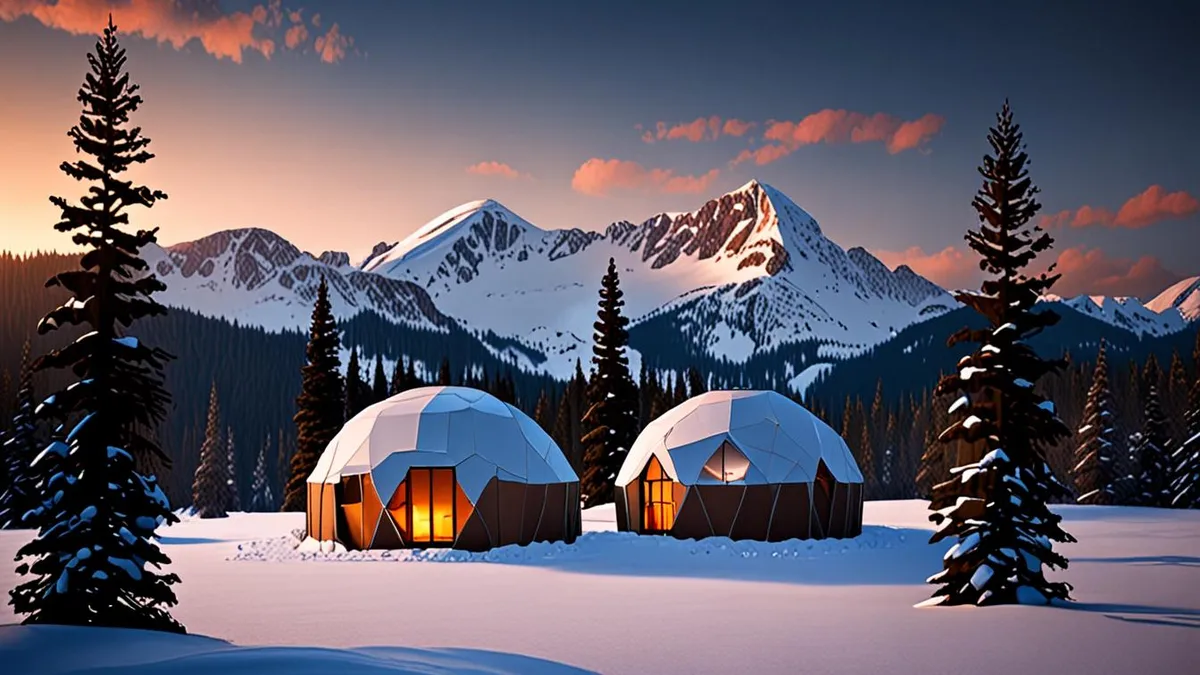
Most glamping tents and domes are built for fair weather, but a growing number of sites in the Alps and the Nordics have engineered their way around winter. Heated geodesic domes and insulated cabins typically operate from roughly November through March, offering snow-covered views from the comfort of a proper bed.
The appeal is obvious: waking up to a white landscape, spending the evening by a wood stove, and often paying less than you would in peak summer. Winter rates are frequently lower than the July and August equivalents, though the trade-off is availability — only purpose-built winter sites stay open, so the choice of locations is much smaller.
Check the heating before you book
This is the single most important question for a cold-season stay. Some domes rely on a wood stove that needs refilling overnight, while others have continuous electric or underfloor heating. Ask directly about insulation, how warm the structure stays at night, and whether bathroom facilities are en suite or a short walk across the snow. A site that is magical in July can be miserable in January if the heat is marginal.
What to expect on site
Snow-scenic stays usually come with extras you won’t find in summer: hot tubs under the stars, sauna access, and sometimes activities like snowshoeing or northern lights watching in the Nordics. Pack proper winter clothing and footwear with good grip, since paths between your tent and the main lodge can be icy. Confirm arrival logistics too — some remote sites become harder to reach after heavy snowfall, and you may need to check whether transfers or parking are affected.
How to Plan and Book Around the Seasons
Glamping rewards early planning more than most kinds of travel, simply because good sites have a handful of units rather than hundreds of rooms. A small lodge with six safari tents can be fully booked months out, while a large hotel down the road still has plenty of availability. A little timing knowledge goes a long way toward securing the dates you want at a price you can live with.
- Book summer stays 3–6 months ahead. Popular July and August sites — especially those with sea views, hot tubs or family-sized tents — often sell out well before spring. If a specific site is on your must-stay list, reserve as soon as dates open.
- Use shoulder seasons for flexibility. Traveling in the quieter months usually needs only 4–8 weeks’ notice, and you can often book midweek with little lead time at all. This is ideal for couples who can travel outside school holidays.
- Budget for the peak premium. Expect July and August to cost noticeably more than shoulder months for the same unit. If your dates are flexible, shifting a trip by a few weeks can fund an extra night or an upgrade.
- Match the season to your trip type. Honeymoons and couples’ escapes work best in quiet shoulder months, when sites are calm and prices softer. Families are usually tied to school holidays, so booking early matters even more for them.
- Confirm seasonal opening before committing. Because many sites close entirely outside their main window, always check the operating dates on the site’s own listing rather than assuming year-round availability.
One final habit worth building: once you’ve chosen your dates, read the cancellation terms carefully before paying a deposit. Summer weather and personal plans both change, and a clear refund policy makes rescheduling far less stressful. It also pays to sign up for booking alerts from sites you love, since last-minute cancellations occasionally free up prime units in high season. A short phone call or email to the owner can settle questions about heating, shade and layout faster than any listing page.
Matching Your Region and Season: The Takeaway
The answer to when to go glamping in Europe comes down to matching region and month. Mediterranean coastlines reward travelers in April–June and September–October, while the Alps, Central Europe, the UK, Ireland and Scandinavia all peak in summer between June and September. If you’re drawn to snow-covered landscapes, winter stays are possible from roughly November to March, but only at heated, purpose-built sites in the Alps and Nordics.
Two habits make the whole thing easier: book popular July–August sites 3–6 months ahead, and lean toward shoulder seasons to avoid peak rates that typically run 30–50% higher. Get that pairing right and glamping delivers on its promise — nature, comfort and no unpleasant surprises. Have a favorite region or season for a night under canvas? Share it in the comments or pass this guide along to a fellow traveler.