You’ve picked Ireland for a glamping trip, but two questions keep stalling the planning: which region actually suits the kind of break you want, and how far in advance you need to book before the best sites are gone. It’s a fair worry. Irish glamping is dominated by small, family-run sites with only a handful of units each, so the popular ones fill up fast.
This guide walks you through the whole decision. We’ll start with what makes glamping in Ireland different from the UK and mainland Europe, then break down the best regions, from the Wild Atlantic Way to the quiet lakelands. You’ll also find advice on choosing between domes, treehouses, yurts and safari tents, when to go for the best mix of weather and price, how far ahead to book, and what to check before you pay. By the end, you should know exactly where to aim and when to hit the booking button.
Why Glamping in Ireland Is Different From the UK and Mainland Europe
Ireland is small, and that changes how you plan a glamping trip. Because the country is compact, you’re rarely more than a 2-3 hour drive from a different landscape entirely. You can wake up in a coastal dome with Atlantic views, spend the afternoon in the mountains, and still make it to a lakeside spot for the evening. It means you don’t have to choose one type of scenery for your whole trip, and it makes short breaks far more rewarding than you might expect.
Weather shapes your stay type
The Atlantic weather is the other big factor, and it’s genuinely unpredictable. A forecast can flip from sunshine to horizontal rain within hours, especially on the west coast. That’s why enclosed, insulated stay types such as geodesic domes and timber cabins are a safer bet than open canvas if you’re traveling outside high summer. Waking up warm and dry after a stormy night makes a big difference to how you remember the trip.
Small sites, limited availability
Finally, understand the booking landscape. Unlike the large networks common across the UK, Ireland’s glamping scene is made up mostly of independent sites, many of them just a handful of units on a farm or beside a lake, run by the owners themselves. That’s part of the charm, but it also means availability is limited and popular dates disappear quickly, especially for summer weekends.
Best Regions for Glamping in Ireland
Ireland divides naturally into three glamping zones, and each suits a different kind of trip. The west coast delivers the drama, the east offers convenience, and the lakelands give you quiet. Picking the right region first makes every later decision, from stay type to booking date, much easier. It also shapes your budget, since remote coastal sites and lakeside cabins rarely cost the same, and it determines how much driving you’ll actually do once you land.
- Kerry, Clare, Galway and Donegal: these Wild Atlantic Way counties put you close to sea cliffs, peninsulas and surf beaches. The route stretches over 2,500 km along the west coast, so sites vary from remote Donegal headlands to Galway Bay viewpoints. Coastal sites here are best from May to September, when the weather is milder and daylight stretches late into the evening.
- Wicklow and the east coast: ideal for short breaks when you’re flying into or based near Dublin. Sites sit under 90 minutes from the city, so you can finish work on a Friday and be settled into a cabin by dark. Wicklow’s mountains and glacial valleys give you proper scenery without a long transfer.
- Fermanagh and Cavan: the lakeland counties, where sites sit beside calm water rather than crashing surf. Expect kayaking, fishing and lakeside mornings, plus quieter shoulder-season stays when coastal sites feel exposed. If you’re weighing a lakeside base against a park-adjacent one, the advice in how to pick a base near national parks applies here too.
If it’s your first Irish glamping trip and you want maximum scenery, start with the west coast in summer. Just remember that July and August bring the biggest crowds, so the most scenic coastal sites need early booking. If you want an easy weekend with minimal driving, go east and base yourself near Wicklow. If you’ve been to Ireland before and want peace and water views, the lakelands rarely disappoint, and their sheltered spots tend to feel calmer than the Atlantic shore in changeable weather. Whichever region you choose, match it to your stay type and travel dates before you commit, since the best sites in each zone are small and fill up fast.
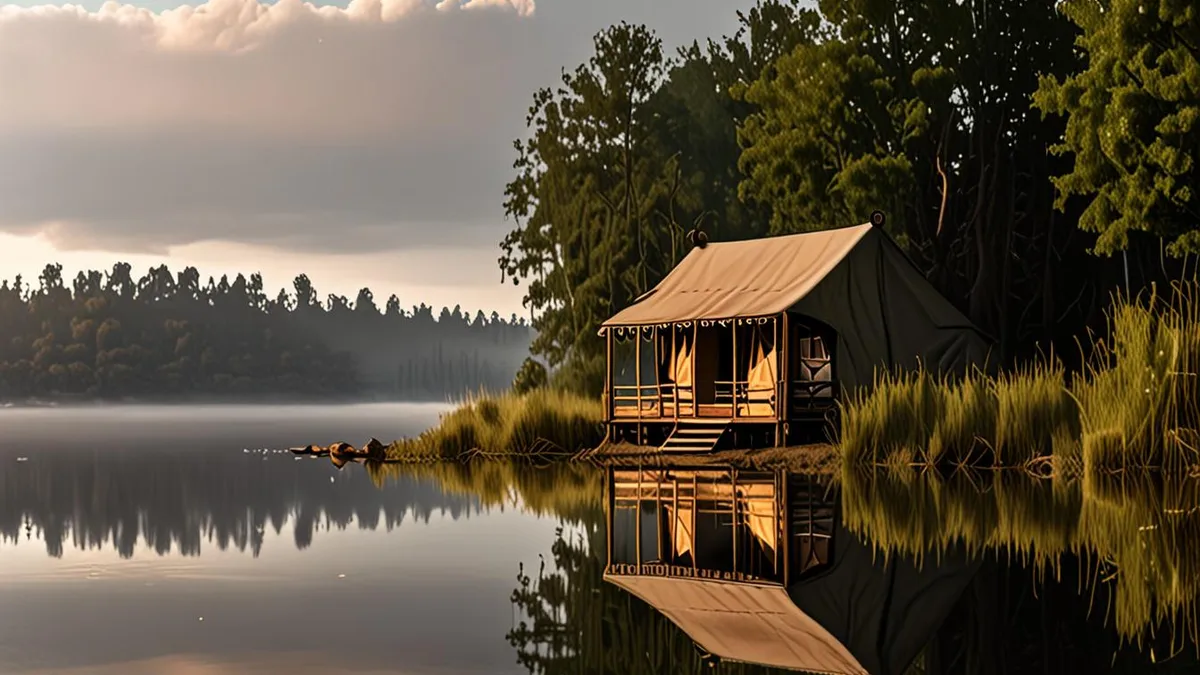
Choosing Your Stay Type: Domes, Treehouses, Yurts and Safari Tents
Once you’ve picked a region, the stay type becomes your biggest decision, both for comfort and budget. Most Irish glamping stays fall between €90 and €250 per night, and where you land depends heavily on whether you choose an enclosed unit or canvas.
Enclosed stays: domes and treehouses
Domes and treehouses sit at the top of the price range, typically €150-€250 per night. Both are enclosed and insulated, which matters more in Ireland than in sunnier glamping destinations. They suit couples and honeymooners best: the units are usually built for two, positioned for views, and finished with proper beds and heating. A glass-fronted dome watching rain sweep across a valley can be as memorable as a sunny evening, precisely because you’re warm inside.
Canvas stays: yurts and safari tents
Yurts and safari tents are the family workhorses, typically €90-€180 per night. They offer more floor space per euro, and most family-oriented sites put them near play areas, communal firepits and washing facilities. The trade-off is insulation: canvas warms and cools quickly, so these units shine in the May to September window rather than the colder months.
Match your stay type to the season as a rule of thumb. For trips between October and April, book an enclosed unit such as a dome, cabin or treehouse. From May to September, canvas is fine for most travelers. If you’re still torn between the main options, the breakdown in glamping domes vs safari tents vs yurts covers the differences in detail.
When to Go: Seasons, Weather and Prices
Ireland’s glamping calendar is shorter and more weather-dependent than many travelers expect. The sweet spot for most visitors is May-June and September, when you get mild days, greener landscapes, noticeably lower prices, and far better availability at the most popular sites. You’ll share the west coast with fewer tour buses, too.
July and August are the warmest and busiest months, with daytime highs around 18-20°C. That sounds modest, but it’s genuinely pleasant for coastal walks and lake swims. The trade-off is peak pricing, booked-out family sites, and the need to plan well ahead if you want a specific dome or treehouse.
Winter glamping is a different beast. A small number of insulated sites stay open through the colder months, and if you’re curious about how those stays actually work, this guide to glamping in winter and cold-weather stays covers the basics. Be aware that most Irish sites reduce capacity or close entirely from November to March, so winter options are limited by design.
- September often brings the calmest sea conditions of the year along the west coast, which matters if you’re hoping for boat trips or coastal walks without strong Atlantic gusts.
- June offers the longest daylight hours, with light lingering late into the evening, so you can fit in sightseeing after a late check-in without rushing.
- May sits before the school-holiday rush, meaning family-oriented sites that fill solidly from July onward often have midweek openings you can book close to your travel date.
- Shoulder-season stays in April or October can mean sites run reduced facilities, such as limited food service or shorter reception hours, so check what’s operating before you commit.
How to Book: Lead Times and Money-Saving Tips
Booking an Irish glamping trip is less about finding availability and more about finding it at the right site, at the right price. Because most Irish sites are small, family-run operations with only a handful of units, a single busy weekend can wipe out an entire calendar. The difference between a relaxed booking process and a frustrating one usually comes down to when you start looking and how flexible your dates are. Here’s a practical sequence to follow.
- Lock in summer weekends first. If your trip centers on July or August, especially school-holiday dates, reserve 3-6 months ahead. Popular sites often sell out by spring, and the most photographed domes and treehouses go earliest. If you miss that window, ask to join a cancellation list rather than giving up.
- Work backward from your region. Sites along the Wild Atlantic Way, which stretches over 2,500 km along Ireland’s west coast, face the heaviest summer demand, so treat them as your first calls. East-coast and lakeland sites usually hold availability a little longer, giving you a fallback if your first choices are full.
- Target shoulder season for flexibility. Trips in April-May or September-October can often be booked just 4-6 weeks out, and rates are typically lower. This is the window for spontaneous travelers who still want quality and choice.
- Shift to midweek whenever you can. Monday-to-Thursday stays usually cost less than weekends and are far easier to secure in high season, sometimes letting you book a top site only a month or two out.
- Ask about shorter breaks. Many small sites have minimum-stay rules on summer weekends but relax them midweek, so it’s always worth a direct question before settling for a lesser option.
One last money note: rates at small family-run sites are often more negotiable outside peak dates than the booking platforms suggest. A short, polite email asking about midweek or multi-night discounts, or about returning later in the year, frequently pays for itself. Hosts would rather fill a dome at a small discount than leave it empty, and dealing directly also gives you a feel for how responsive they’ll be if the weather turns.
What to Check Before You Pay
Irish glamping sites are mostly small, family-run operations, so the experience varies far more from one site to the next than it does at big UK networks. That variety is a real plus, but listing photos won’t tell you everything. A few checks before you pay will save you a cold, damp surprise.
The biggest one is weather readiness. If you’re traveling outside May to September, confirm in writing that your unit has real heating and proper insulation, not just a portable heater and good intentions. Covered outdoor space, whether a veranda or a sheltered deck, also makes a huge difference when showers roll through.
Next, get clear on what’s actually included. Some Irish sites provide full bedding, towels and a stocked kitchen; others expect you to bring bedding or cook on a shared communal setup. The price difference between those two versions of the same yurt can be significant.
- Ask whether the heating runs all night or on a timer, since units that cool down at 2 a.m. are the most common complaint in cooler-month reviews.
- Check if the bathroom is en-suite or a shared walk across the site, because in Irish rain that walk matters more than any brochure suggests.
- Look for reviews specifically mentioning wind and rain performance, as a dome that feels cozy in June can rattle noisily in an October gale.
- Scan recent reviews for how quickly hosts respond to problems, since on small sites the owner is often the entire maintenance team.
- Confirm mobile coverage or Wi-Fi if you need it, as some west-coast locations have patchy signal that affects both work and emergency contact.
Ten minutes of checking turns a gamble into a plan. Do it before the deposit, not after.
Wrapping Up Your Ireland Glamping Plan
So the answer to that opening question comes down to two decisions: where and when. Pick your region first — the Wild Atlantic Way for coastal drama, Wicklow for an easy short break near Dublin, or the lakelands if quiet water-based stays appeal more. Then match your timing to your priorities, with May-June and September offering the best mix of mild weather, lower prices and open availability.
On booking, the rule of thumb is simple: reserve summer weekends 3-6 months ahead, since popular sites often sell out by spring, while shoulder-season trips can usually wait until a few weeks out. Budget between €90-€250 per night depending on whether you choose a yurt or a treehouse, and favour enclosed, insulated units if you’re traveling outside the main season. If this helped you plan your own Irish glamping trip, leave a comment or share the article with a fellow traveler.