Capsule hotels in Japan look like a bargain from the booking page, but the photos never tell you what a night in a pod actually feels like. Can you sleep in a space you cannot stand up in? Where does your suitcase go? What happens if you roll in at midnight after a missed train? These are fair questions, and the answers decide whether a pod stay is a smart choice or a mistake.
This guide walks through the whole experience before you pay. We cover what a capsule hotel really is, what you get inside the pod, how the shared baths and lockers work, and the house rules that catch first-timers off guard. You will also find an honest look at who capsule hotels suit, current price ranges for Tokyo and Osaka, and booking tips so you can decide with confidence instead of guessing.
What Capsule Hotels in Japan Actually Are
A capsule hotel gives you exactly one thing: a single sleeping pod, stacked in rows like a neat wall of bunks, usually two levels high. Everything else in the building is shared. There is no desk in your room, no private bathroom, and no space to unpack. The social life of the hotel happens entirely outside the pod, in lounges, bathhouses and locker rooms.
The format is older than most travelers realize. Capsule hotels grew out of Osaka in the 1970s as cheap beds for salarymen who missed the last train home. That original purpose still shapes them today: many properties sit near major stations, and plenty of Japanese guests still book a pod for exactly that reason after a long night out.
Over the last decade, though, the audience has widened. Tourists, solo travelers and backpackers now fill many pods, and the industry has responded with variety you might not expect.
From plastic boxes to design pods
At the basic end, you get a simple fiberglass-style unit with a mattress and not much else. At the stylish end, modern chains offer sleek pods with personal TVs, reading lights, mood lighting and quality bedding that feel closer to a small boutique room than a sleeping tube. Both types exist in the same cities, sometimes on the same street, so it pays to look closely at the pod photos before you book.
Inside the Pod: Size, Bedding and Amenities
The standard pod measures roughly 1.2 meters wide and 2 meters long. That is just enough for one adult to sit up in bed, and you cannot stand up inside. The footprint never changes no matter how fancy the pod is, so picture a mattress with a bit of headroom and you have the right mental image.
Privacy works differently from a regular hotel room. Most pods have a blind or a sliding door rather than a lockable room door, so you get visual privacy but not the sealed, key-locked security of a conventional room. Valuables belong in the locker, not beside your pillow.
The good news is that you can pack light. Standard amenities cover most of what you would otherwise bring:
- Yukata or pajamas: a light cotton robe or sleepwear set is provided, so you do not need to sleep in your clothes or bring your own.
- Towel and slippers: a bath towel and indoor slippers are standard, which matters because you will walk to the shared bathhouse.
- Toiletries: shampoo, body wash and basic toiletries are usually stocked in the bath area, freeing up space in your liquids bag.
Power comes from an outlet inside the pod, and most units include a reading light and a small shelf for your phone and glasses. Premium pods add extras like a personal TV, a mirror and USB ports, which make the space feel more livable, but the bed size stays exactly the same.
Shared Facilities: Baths, Lockers and Lounges
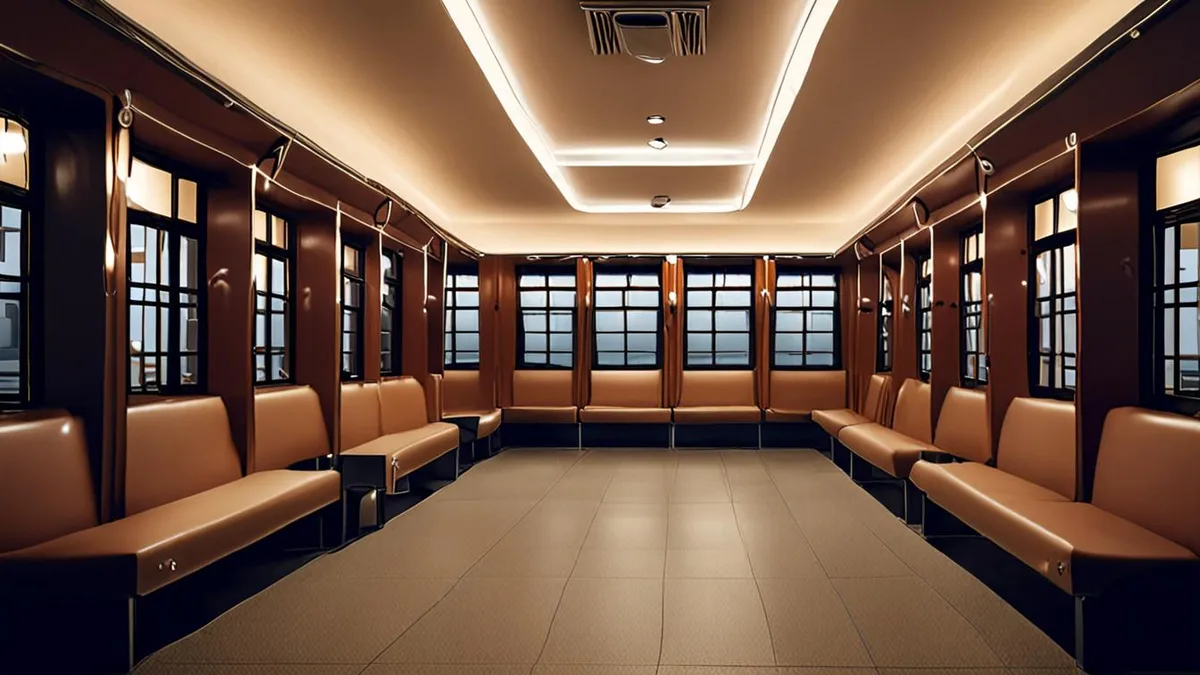
The bathhouse is the heart of most capsule hotels. Expect a shared bathing area with separate men’s and women’s sections, often featuring an onsen-style soaking bath where you wash first, then soak. It is one of the genuinely pleasant surprises of pod life: a hot soak before bed in a hotel that costs a fraction of a regular room. Bring your provided towel, and follow the usual Japanese bath etiquette of rinsing off before you enter the water.
Luggage is the part that trips up first-time guests. Your large suitcase does not come into the pod area. It goes in a shared locker or a luggage room, often near reception. Pack an overnight bag with what you need for the night, including your sleepwear and tomorrow’s clothes, and leave the big case in storage.
What you’ll find outside the pod
Common areas vary by property, but in Tokyo and Osaka especially, you will often find genuine lounges with vending machines, manga corners lined with comics, and work desks with decent lighting. Some travelers effectively work from the lounge during the day and only return to the pod to sleep.
Many mid-range capsule hotels also add practical extras that make longer stays workable: coin laundry machines and microwaves are common. If you are staying two nights or more, these small facilities matter more than they sound, since they let you reset your clothes and eat a convenience-store dinner without leaving the building. If you are weighing pod life against other compact accommodation styles in Asia, our guide to choosing the right area and stay type in Singapore covers a similar trade-off between price, space and location.
House Rules and Etiquette You Must Follow
Capsule hotels run on rules, and they enforce them more strictly than most regular hotels. Check-in typically opens in the mid-afternoon, and once you’re in, the front desk may go unstaffed overnight. Some properties lock the entrance doors or set a curfew around midnight, so arriving late from a night out can mean sleeping at the door until it opens. If your plans involve late nights, confirm the curfew policy before you book.
Quiet is the core rule of capsule living. Quiet hours generally run from around 10 pm to 6 am, and because pod walls barely muffle sound, even keyboard typing carries down the corridor. Phone calls, video watching and anything with audio belong in the lounge, not in your pod. Most pods have no volume outlets at all, so bring earbuds if you plan to watch something before sleep.
Before booking, also check who the hotel actually accepts. Gender policies vary widely, and the listing page usually spells them out clearly. A few points worth confirming:
- Gender policy: many properties are men-only, while others split floors by gender or offer dedicated women-only sections — look for the women-only label if that matters to you.
- Minimum age: most capsule hotels only accept guests aged 18 or over, so teenagers traveling with parents usually need a regular hotel room.
- Tattoo rules: at traditional-style properties, visible tattoos may need to be covered in the shared bathhouse, so check the policy or pack covering patches if you have ink.
- Re-entry rules: some hotels issue a key card for the door lock, while others expect you in for the night — ask at check-in if you plan to step out for a late dinner.
None of these rules are difficult, but they’re enforced consistently. Read the listing carefully, follow the posted signs in the pod area, and you’ll have no friction with staff or fellow guests.
Who Capsule Hotels Suit, and Who Should Book Elsewhere
Capsule hotels work best for a specific kind of traveler: solo, staying one or two nights, and focused on the city rather than the room. If your flight lands late at Narita or your last shinkansen missed its connection, a capsule near the station is often the fastest, cheapest bed available at midnight. Business travelers have used them this way for decades, and tourists on short city stops fit the same pattern perfectly.
Couples and families, however, rarely fit the format. Pods are strictly one person each, and shared two-person capsules are uncommon, so a couple often ends up paying for two separate pods on different floors — sometimes in different gender sections entirely. If traveling together in one room matters to you, look elsewhere.
Light sleepers, be honest with yourselves
Pod walls are thin, and corridor noise — footsteps, zipper bags, the occasional cough — travels easily. Some pods have doors, others just blinds, and neither blocks much sound. Light sleepers can make it work with earplugs and a sleep mask, both worth packing regardless, but if you normally need near-silence to sleep, a capsule may leave you exhausted by day two.
When you want the cultural experience
A capsule hotel is a practical bed, not a cultural immersion. If what you’re after is sleeping on tatami, soaking in a private onsen and enjoying a multi-course kaiseki dinner in your yukata, that’s a different category of stay altogether. For a clear comparison of the two styles, read our guide to ryokan vs hotel stays in Japan before deciding where your budget goes.
Prices and How to Book a Capsule Hotel
Capsule hotels are among the cheapest sleeps you’ll find in Japanese cities. Budget on roughly ¥2,500–¥5,000 per night in Tokyo and Osaka, with premium pods — the ones with personal TVs, better bedding and sleeker design — reaching about ¥7,000. Even at the top of that range, you’re often paying less than half of what a basic business hotel charges in the same neighborhood.
Timing your booking
Outside peak periods, booking 1–2 weeks ahead is usually enough to get a good pod at a fair price. Reserve earlier for cherry blossom season and Golden Week, when demand across all accommodation types spikes and the cheapest capsules sell out first. Prices also climb on weekends and during local festivals, while weekday nights in business districts are often the cheapest of all — office workers go home, and beds sit empty. For a fuller picture of how rates shift through the year, see our breakdown of how hotel prices in Japan change by season.
What to check on the booking page
Capsule hotels vary more between properties than regular hotels do, so scan the listing carefully before paying. Three details matter most: the pod type (basic plastic shell versus premium unit with TV and USB ports), the gender policy (men-only, women-only floors or mixed), and the curfew, since some hotels lock their doors around midnight. Also check whether large luggage goes in a shared locker and whether the bathhouse suits you. Five minutes of reading the listing saves an unpleasant surprise at the front desk.
The Bottom Line on Sleeping in a Pod
Capsule hotels trade space and privacy for a low nightly price and a very central location, and that trade is exactly what you need to weigh before booking. You now know what a night actually looks like: a pod of roughly 1.2 m by 2 m you cannot stand up in, a shared bathhouse with separate men’s and women’s sections, luggage stored in lockers rather than by your bed, and overnight quiet rules that apply through the small hours. Check the pod size, bath setup, gender policy and curfew before you commit, since these details vary more between capsule hotels than they do in regular ones.
For short solo city stays, they are hard to beat, especially when a late train or flight leaves you needing a cheap, central bed. For couples, families or light sleepers, a small hotel fits better. If this helped you decide, leave a comment or share the article.