The same Colorado lodge can feel like two entirely different trips depending on the month you book. A timber cabin outside Breckenridge might mean boot dryers, hot chocolate by the fire and first tracks in January, then flip to a quiet basecamp for waterfall hikes at half the price in May. That gap is why colorado lodge stays reward travelers who plan around the calendar rather than just the destination.
This guide walks through what each season actually delivers. We cover winter ski trips and snow-country logistics, the deep discounts of spring mud season, summer hiking with its afternoon storms, and the short but spectacular fall foliage window. You’ll also see how the seasons shape lodge prices, and get practical advice on choosing a lodge type and booking far enough ahead to protect both your room and your rate.
Winter Lodge Stays: Ski Season and Snow Country
Ski season in most Colorado resorts runs from late November to early April, and the calendar matters more than you might think. The weeks around the December holidays and the month of February are the busiest and priciest of the entire year. If your dates fall in those windows, availability tightens fast and rates climb with it.
The price gap is real: peak winter rates at lodges typically run 40-80% above summer rates, and the difference is most dramatic in resort towns like Aspen, Vail and Breckenridge. You’re paying for location, and in winter that means proximity to lifts. Budget travelers can still find value by looking at smaller mountain towns like Grand Lake and Leadville, which stay noticeably cheaper while sitting within driving range of major ski areas.
Winter features worth checking before you book
Not every lodge handles winter equally well. Before booking, look for these as standard features rather than luxuries:
- Ski-in/ski-out access or a reliable shuttle to the lifts, so you’re not driving icy roads twice a day
- Boot dryers and heated gear storage, which make multi-day ski trips far more comfortable
- A hot tub and fireplace, the two features you’ll appreciate most after a cold day on the mountain
For holiday weeks and peak ski weekends, plan to book 3-6 months ahead. Waiting until autumn for a Christmas-week lodge is how travelers end up paying last-minute premiums or settling for rooms far from the slopes.
Spring Lodge Stays: Mud Season Value and Late Snow
April and May bring Colorado’s mud season, the stretch between ski season and summer when snow melts, trails turn soggy and visitor numbers drop. For lodge travelers, this is the value window: many lodges discount their rates 30-50% below peak, and some close briefly for annual maintenance, so it’s smart to confirm your chosen lodge is actually open before you commit.
The season isn’t a washout, but it does demand flexibility. Elevation is the key variable. Higher-elevation lodges can still hold skiable snow into April, so late-season skiing remains an option in spots that sit above 9,000 feet. Lower towns, meanwhile, shift into a quieter rhythm: empty trails, flowing waterfalls and sidewalks you can actually park near.
What the weather actually looks like
Expect changeable conditions and pack for all of them. A sunny 60°F afternoon in a lower valley can flip to snow by the time you climb to 9,000+ feet, sometimes on the same day. Layers, waterproof footwear and a flexible itinerary will serve you better than a fixed plan.
Mud season is the best fit for travelers who prioritize low rates and empty trails over guaranteed weather. If you can tolerate a muddy boot and a gray morning, you’ll get Colorado’s mountain towns at their calmest and most affordable.
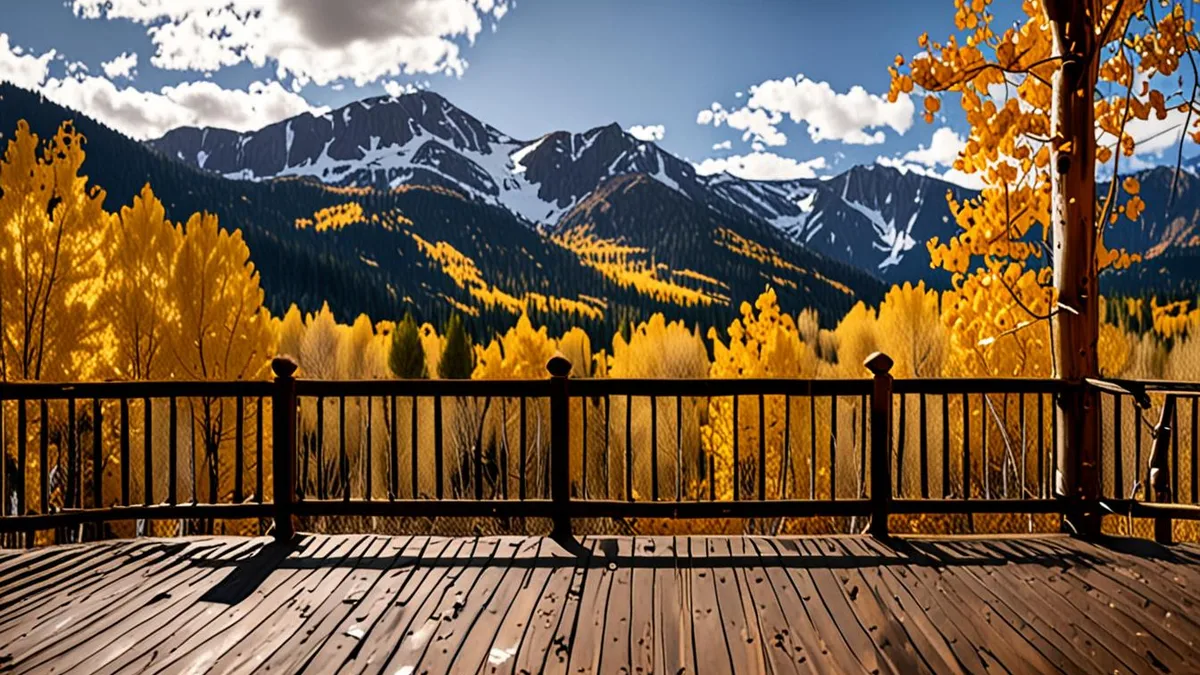
Summer Lodge Stays: Hiking, Festivals and Afternoon Storms
Summer runs roughly mid-June to early September in the Colorado high country, bringing the warmest days of the year and full access to the trail network that winter buries. Alpine lakes open up, wildflowers move up the slopes, and mountain towns fill with festivals, farmers markets and outdoor concerts. It’s the season when a lodge becomes a true basecamp rather than just a place to sleep between ski runs.
The one summer pattern every traveler should plan around is the afternoon storm. July and August bring near-daily thunderstorms that typically build after midday, which is why experienced hikers start at dawn and are off exposed ridges by early afternoon. Structure your days the same way: long hikes, bike rides and fishing sessions in the morning, with lodge downtime or town strolling saved for when the clouds roll in.
Booking lead time matters in summer too. Weekend stays in popular mountain towns often require 2-4 months of lead time, while midweek stays are both easier to find and cheaper. If your schedule allows a Sunday-through-Wednesday trip, you’ll get better rates and quieter trails. For a broader look at how lodge conditions shift across the year in the high country, this guide to Rocky Mountain lodge stays by season covers the same rhythms from a regional angle.
Lodge features that make summer trips easier
When comparing lodges for a summer stay, look for outdoor- and gear-friendly touches:
- A deck or patio with mountain views, so you have a dry, comfortable spot to sit out the afternoon storms with a book or a drink
- A grill or outdoor cooking area, useful for post-hike dinners when town restaurants run long waits on summer weekends
- Secure gear storage for hiking poles, bikes and fishing rods, since wet equipment left in a car or room gets old fast over a multi-day trip
Fall Lodge Stays: Aspen Gold and Short Peak Weeks
Fall in Colorado is short, colorful and surprisingly competitive. Aspen foliage typically peaks from mid-September to early October, and that narrow window creates one of the most intense booking rushes of the year. A lodge that sits half-empty in late September one year can be fully booked the next, so timing matters more than in almost any other season.
Rates generally land between summer and winter levels, which makes fall a decent value on paper. The catch is leaf-peeping weekends in famous foliage towns like Aspen, Crested Butte and Telluride. Those weekends sell out fast, and last-minute travelers often pay a premium for whatever rooms remain.
Why Fall Works for Slow Travelers
Daytime temperatures usually sit in a comfortable 50-70°F range, ideal for scenic drives over mountain passes and hiking trails that were crowded all summer. Wildlife is more active, the light is softer, and popular routes feel noticeably quieter once families head home for the school year.
The practical move is simple: book leaf-season weekends two to three months ahead. That lead time protects both your choice of lodge and your rate, so you are not choosing between an overpriced room and a two-hour drive to the trailhead.
How Season Shapes Colorado Lodge Prices
Colorado lodge prices swing more by season than in most destinations, and knowing the pattern helps you pick dates that fit your budget. The highest rates cluster around peak winter weeks and leaf-season weekends in fall, when demand spikes for a very short window. The cheapest stretch is mud season, roughly April-May and October-November, when lodges cut rates sharply just to fill rooms.
Where the Gaps Are Biggest
Resort towns show the widest spread between seasons. In high-profile ski destinations, the same room can cost dramatically more in midwinter than in summer, because the resort economy is built around the ski calendar. Smaller mountain towns have milder swings, so the seasonal penalty for traveling at the wrong time is much smaller there. If price is your main concern, it often makes sense to pick the town first and the season second.
Timing within the week matters too. Midweek stays cost less in every season compared to weekends, and they also mean quieter trails, shorter lift lines and easier parking. If your schedule allows a Sunday-to-Wednesday trip, you will usually pay noticeably less than the weekend crowd.
Before locking in dates, it pays to compare total trip cost by season. A cheaper room in a remote town can lose its advantage once you add driving time and extra nights. Regional price benchmarks are a useful starting point, and the breakdown in how much lodge stays cost by region makes those comparisons easier before you commit to specific dates.
Choosing and Booking Your Colorado Lodge by Season
The best Colorado lodge stay starts with matching the property to the season you are visiting. A lodge that is perfect for a ski week can feel overpriced in July, and a budget-friendly summer base may lack the coziness you want on a fall evening. The trick is to think about how you will actually use the room: are you sleeping there between lift laps, or settling in for long evenings with a fire going? Work through the steps below before you book, and you will end up with a lodge that fits both your dates and your plans.
- Match the lodge type to your season. In winter, prioritize ski-in/ski-out locations or reliable shuttle access, plus boot dryers, hot tubs and fireplaces. For summer, look for decks, grills and gear storage for hiking, biking and fishing. In fall, fireplace-and-views properties deliver the most atmosphere during foliage season.
- Choose between resort towns and smaller mountain towns. Resort towns offer more amenities, dining and lift access, at higher prices. Smaller towns like Grand Lake and Leadville offer better value, though you should accept longer drives to major attractions.
- Book within the right lead-time window. Lock in winter stays three to six months out, especially for holiday and peak ski weeks. Summer and fall weekends in mountain towns typically need two to four months of lead time to secure a good room at a fair rate.
- Read the cancellation terms carefully. This matters most for winter trips, since snow conditions, road closures or a slow start to the season can change your plans. Favor lodges with flexible rebooking over the cheapest nonrefundable rate.
It also helps to be honest about your priorities before comparing properties. A family focused on skiing should weight location and lift access above everything else, while a couple planning scenic drives and short hikes can trade convenience for space and a better view. Ask lodges directly about parking, gear storage and quiet rooms, since these small details rarely show up in listings but shape the stay.
If you want a deeper look at how lead times and seasonal demand interact, the guide to when to book lodge stays and how seasons affect prices breaks down the timing rules in more detail. A little planning up front usually means a better room, a better rate and far less stress on arrival day.
Wrapping Up: Picking Your Season for a Colorado Lodge Stay
There’s no single “best” month for a Colorado lodge stay — only the best month for the trip you want. Winter delivers snow sports at peak prices, summer brings hiking and afternoon storms, fall offers a short but brilliant foliage window, and mud season trades reliable weather for the lowest rates of the year. Each season genuinely changes what the same lodge feels like.
Timing matters as much as season. Booking 2-6 months ahead, depending on when you travel, protects both your room choice and your rate. So decide what you value most — activities, scenery or price — and let that pick your dates. If this helped you plan your trip, leave a comment or share the article with a fellow traveler.