Glamping for couples sounds dreamy in theory: a cozy tent under the stars, a fire pit, no neighbors for miles. In practice, many sites are built for families, with units packed close together, shared bathrooms, play areas and the kind of noise that makes romance feel like an afterthought. If you have ever booked what looked like a secluded retreat only to find the next tent ten steps away, you know the disappointment.
This guide focuses on what actually matters for a two-person escape. We will look at what sets couples-focused sites apart, which privacy features to check before you book, and the amenities that turn a good stay into a memorable one. You will also find advice on choosing the right setting, timing your trip for seclusion, budgeting realistically, and pulling it all together into a plan that delivers hotel comfort in a wild, quiet setting.
What Makes Glamping for Couples Different
What couples want from a glamping trip is fundamentally different from what families or groups need. Play areas, communal dining halls and organized activities are irrelevant here. What matters is seclusion, an adult-only environment and shared experiences: a private fire pit, a soak in a hot tub, stargazing from your own deck without an audience.
Privacy is the deciding factor, and it varies enormously between sites. As a rule of thumb, units spaced 50-100 meters apart, or screened from each other by mature planting and trees, feel far more intimate than sites where tents sit shoulder to shoulder. Before booking, look closely at how a site is laid out rather than relying on a few flattering photos of a single unit.
Why adults-only policies matter
Adults-only policies do more than filter out noise. They change the whole atmosphere of a site: no early-morning family check-ins, no children running between units, and fellow guests who are usually there for the same quiet, romantic reason. The trade-off is price. Couples-focused and adults-only sites typically charge 20-40% more than comparable family sites of the same type, so it is worth deciding in advance whether that premium fits your budget or whether a well-laid-out mixed site can deliver enough seclusion for less.
Privacy Features to Look For Before You Book
Listing photos show the best angle of one tent. What you actually need to know is what sits behind the camera. Start with the site map if one is published, and study the photos for clues about unit spacing, natural screening such as hedges or woodland, and whether each unit has its own entrance and approach path. Sites that publish a layout plan are usually confident in their spacing; those that do not deserve a direct question.
That question matters because some of the most romantic-sounding features are shared. Ask the host specifically whether units share decks, fire pits or hot tubs, and whether staff paths or service routes pass close by your unit. A beautiful deck loses its appeal if it doubles as the walkway to the shower block.
Recent reviews are your best source of truth. Hosts rarely advertise noise problems, but guests mention them. When you read reviews, look for:
- Mentions of neighboring units: phrases like “we could hear the next tent’s conversation” tell you more about real spacing than any floor plan.
- Sightlines from decks and windows: reviewers often note whether they felt overlooked while relaxing outside or undressing indoors.
- How busy the site felt: comments about the site feeling “full” versus quiet reveal how many units are actually occupied in high season.
- Service traffic: some guests mention staff or maintenance vehicles passing close to units, which is easy to miss in photos.
For a structured approach to filtering feedback, it helps to learn how to check glamping site reviews like a pro before you commit to a deposit.
Amenities That Elevate a Couples Stay
Ask any couple what tops their amenity wishlist and the answer is almost always the same: a private en-suite bathroom. It is the single most requested feature among couples and appears in roughly half of premium listings, so treat it as a filter rather than a bonus when you shortlist sites. Outdoor showers run a close second, especially at woodland and coastal properties, where a warm open-air rinse under the trees becomes part of the experience instead of a compromise.
Atmosphere add-ons worth paying for
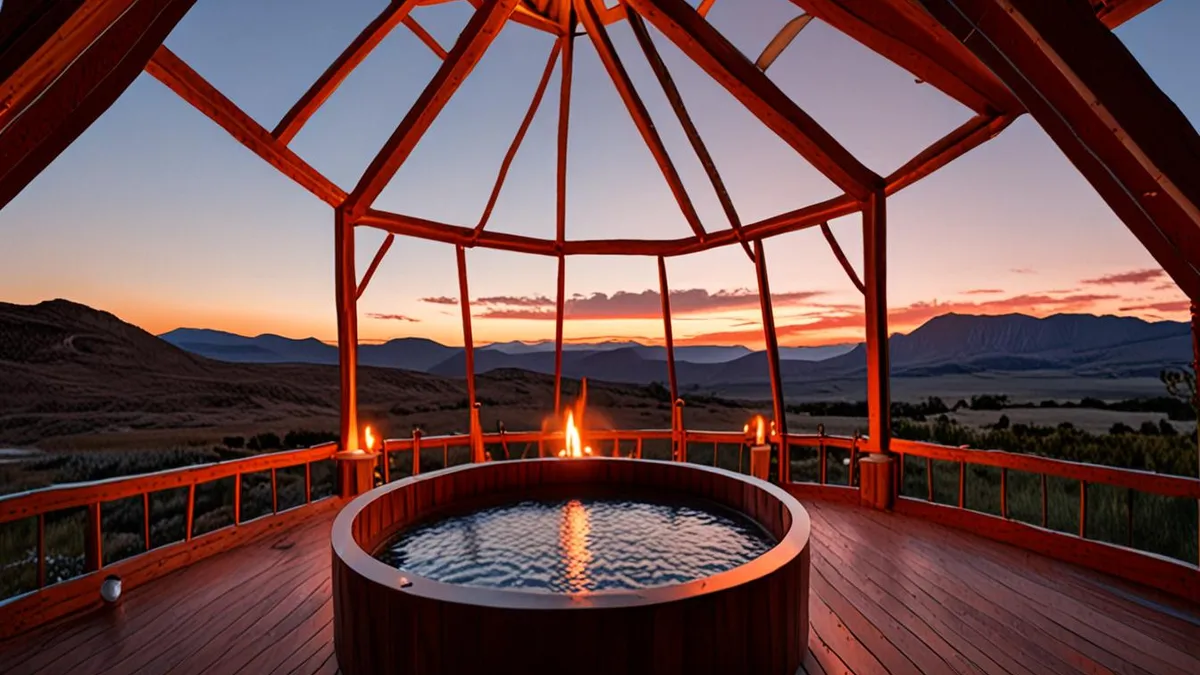
Wood-fired hot tubs, private fire pits and stargazing decks are what create the romantic atmosphere couples book glamping for in the first place. These extras are usually priced as add-ons rather than folded into the nightly rate, and hot tubs typically cost $50-150 per stay depending on the site. If a soak under the stars is central to your plans, confirm at booking that the tub is private to your unit, and ask whether it needs preheating or runs on reserved time slots so you are not sharing your evening with a queue.
For a private escape, in-unit extras matter more than shared facilities like on-site restaurants. A kitchenette lets you cook a slow dinner without leaving your unit, a king bed with proper bedding keeps cold nights comfortable, and blackout curtains protect slow mornings during bright summer months. It also helps to understand how the structures themselves differ, since glamping domes, safari tents and yurts offer very different levels of enclosure and insulation. Knowing those differences before you book makes it much easier to match the accommodation type to the kind of romantic stay you have in mind.
Choosing the Right Location and Setting
Where you stay shapes how private your trip feels. Remote woodland, lakeside and hillside sites naturally offer the most seclusion, because trees, water and slopes do the screening work for you. If you still want things to do, sites around 30-60 minutes from a national park or coast hit a sweet spot: quiet at night, but close enough for easy day trips.
Before booking, decide what kind of escape you actually want. Total isolation suits couples who plan to barely leave their deck, while a base camp setup works better if hiking, wine tasting or stargazing together is the point of the trip. If you want help weighing that balance, this guide on how to pick a glamping base near national parks walks through the trade-offs in detail.
Unit type matters more than you think
Treehouse and dome stays tend to have the most enclosed, private footprints. Their solid or curved walls block sightlines and muffle sound far better than open safari tents, which usually rely on canvas flaps and distance alone. If privacy is your top priority, favor a structure with real walls, a covered entrance and its own outdoor space over the most scenic but exposed option on the map.
When to Go and How to Book for Seclusion
Timing is the easiest lever you have for both privacy and price. In the northern hemisphere, May to September is peak season, and the most secluded units—those spaced furthest apart or best screened—tend to sell out first. To secure one, book 3-6 months ahead rather than hoping for a last-minute cancellation.
Why off-peak works in your favor
Stays from October to April can cost 30-50% less than summer weekends, and sites are noticeably quieter because there are simply fewer guests around. The trade-off is weather: you will need cold-weather preparation, from warm layers to checking whether your unit has proper heating, insulated flooring or a wood stove. A dome with a stove in November can feel more romantic than a tent in July—but only if you pack for it.
Midweek dates are the second big win. They almost always mean fewer neighboring guests and better rates than weekends, so a Monday-to-Thursday stay often delivers the seclusion of a remote site without the premium. If your schedules allow it, aim for midweek off-peak first, then book early for a peak-season anniversary trip as a treat.
Budgeting for a Romantic Glamping Trip
Couples-focused glamping is a premium product, and the pricing reflects it. These sites typically charge a noticeable markup over comparable family sites of the same type, with premium domes and treehouses sitting at the top of the range. That premium buys you seclusion and adult-focused design, so decide early whether those are worth the extra cost for your trip.
Watch the add-ons
The base rate is rarely the whole story. Add-ons like wood-fired hot tubs typically run $50-150 per stay, and extras such as catered meals, breakfast baskets or activity packages can quietly add a significant chunk to your base nightly rate. Before you book, list the extras you actually want—a hot tub, a firewood bundle, a prepared dinner—and price the full stay, not just the nightly figure.
The good news is that privacy and romance do not have to mean overspending. Traveling off-peak or midweek is the easiest way to keep a private, high-amenity stay affordable, since the same unit that commands top rates on a July weekend drops sharply in quieter months. Combine a midweek autumn date with one paid add-on—say, the hot tub—and you often get the full romantic experience for less than a bare-bones peak-season booking.
Planning a Couples Glamping Escape
If you have ever booked a “romantic” getaway only to find yourself next to a play area and a row of family tents, you know the problem: most glamping sites are not designed with couples in mind. What separates a truly romantic stay from an ordinary one comes down to three things: privacy, adult-only policies and the right amenities. Get those right and the rest falls into place.
Location and timing shape both how secluded your stay feels and what you pay, with off-peak midweek trips offering the best value. Check unit spacing before you book, shortlist the amenities that matter to you both, and reserve early for peak-season dates. Do that, and a couples glamping trip delivers genuine hotel comfort in a wild setting. If you have a favorite glamping escape or a tip of your own, share it in the comments below.