You’ve found the perfect glamping site — great reviews, stunning photos, a wood-fired hot tub — and then you notice the booking calendar: half the year is grayed out. Is that normal, or a sign the site struggles in winter? It’s one of the most common questions travelers ask, and the answer matters more than you’d think when planning a trip.
The short version: most glamping sites are not glamping sites open year-round, but a growing number are. Which ones stay open depends mainly on the structure itself and the local climate, not just on demand. In this guide, we’ll give you the quick answer, explain which stay types handle cold months best, show how season and climate change access in different regions, describe what cold-weather glamping actually includes, and share practical tips on when to book, how to verify a site is open for your dates, and how to plan around the glamping calendar.
Are Glamping Sites Open Year-Round? The Short Answer
If you’re picturing a safari tent in the English countryside or a bell tent in the Alps, expect a seasonal operation. Most glamping sites in temperate regions run roughly April through October, then close for winter. That’s not a red flag — it’s the industry norm, and it usually reflects genuine limits of the structures rather than a lack of guests.
That said, a growing minority of sites do stay open year-round. These are almost always hard-sided stays: geodesic domes with insulation and wood stoves, timber cabins, and solid-walled lodges. Their walls, heating and proper flooring make cold months workable, so owners keep the calendar live from January through December.
It’s the structure, not the demand
Here’s the key insight many first-time glampers miss: season length depends more on structure type and climate than on popularity. A fully booked bell tent site will still shut in November if canvas walls can’t hold heat or handle snow loads. Meanwhile, a modest cabin in the same region can trade all winter with a stove and warm bedding. When you browse listings, look at the building material first and the reviews second — it tells you more about the operating season than anything else.
Which Stay Types Stay Open in Winter
Not all glamping structures are built for cold weather, and the difference comes down to walls and heating. Glamping domes, cabins and lodges with solid walls, insulation and a heat source handle winter months well — they’re the stays you’ll find open in January with snow outside. Canvas structures are a different story: safari tents, bell tents and yurts with fabric walls usually close from late autumn to spring, reopening once nights warm up.
As a rule of thumb, canvas structures typically shut once night temperatures fall below about 5°C (41°F). Below that point, thin fabric loses heat fast, condensation becomes a constant problem, and ground conditions turn muddy or frozen. If you want to understand exactly why these materials behave so differently, this comparison of glamping domes, safari tents and yurts breaks down the construction differences in detail.
Before you book a winter stay, check which category your chosen structure falls into:
- Geodesic domes: the curved shape sheds snow, and quality models add insulated liners, a wood stove and a clear roof panel for winter stargazing.
- Timber cabins and lodges: solid walls, real doors and often full plumbing, making them the closest thing to a regular hotel room in a rural setting.
- Yurts: some cold-climate operators winterize yurts with insulated covers and stoves, but many canvas versions still close for the season — always confirm with the host.
- Safari and bell tents: almost always seasonal; even with a heater inside, thin canvas and zippered doors make them impractical below freezing.
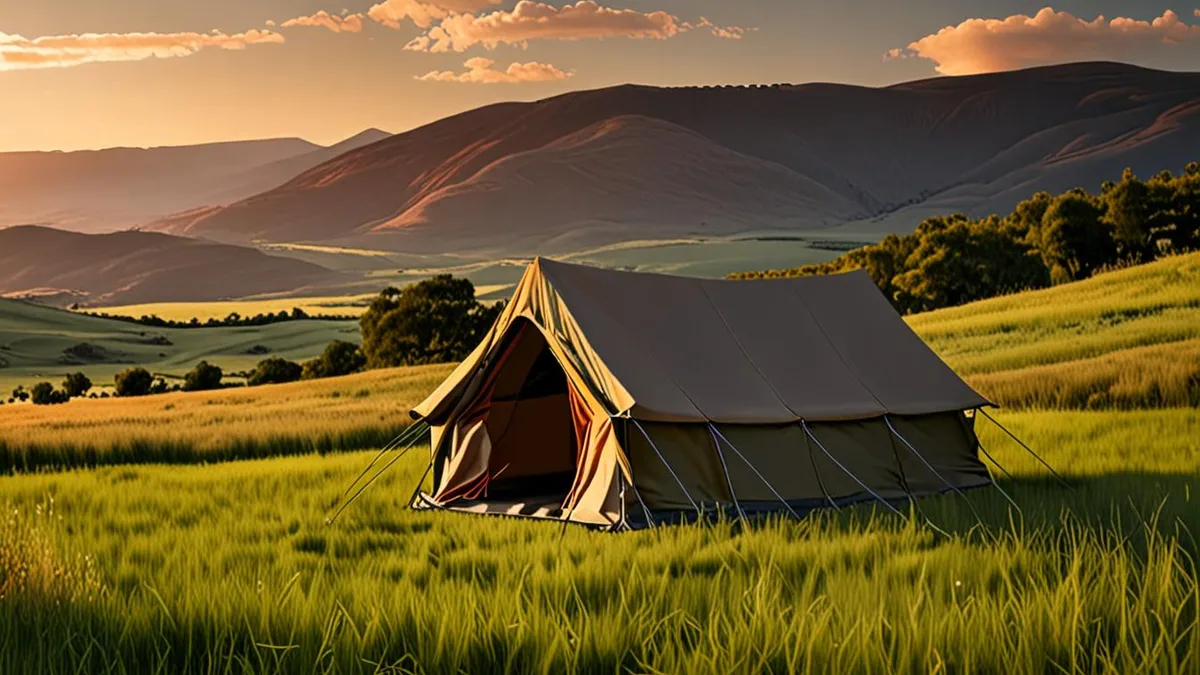
How Season and Climate Affect Glamping Site Access
Where you travel matters as much as what you book. In temperate regions — most of central and northern Europe, much of North America, and similar latitudes — the glamping season is concentrated between April and October. Operators open as nights warm up and close once autumn rain and frost set in, which is why so many calendars go dark from November onward.
What winter-open sites look like
Sites that do run through the cold months typically operate November to March, but with trade-offs. Expect reduced capacity — often only the domes and cabins stay bookable while tents sit closed — and fewer amenities, such as shut outdoor kitchens or limited on-site staffing. Availability is genuinely limited, so these sites fill faster than their winter inventory suggests.
The southern hemisphere flips the script
If you’re heading south, the calendar inverts. Destinations like Patagonia run their peak season from October to March, when the austral summer brings longer daylight and the region’s famous weather is at its most manageable. A guide to glamping in Patagonia covers what to expect on the ground, but the key point is simple: don’t assume a Patagonian site closed in July is struggling — that’s their winter. Always match the local season to your dates before judging an open calendar.
What Cold-Weather Glamping Actually Includes
Winter glamping is a very different experience from a summer tent stay, and the best sites invest in serious equipment to make it comfortable. A proper cold-weather setup usually starts with a wood stove inside the unit, backed by insulated flooring so your feet don’t freeze the moment you step out of bed. Heated bathroom blocks are another hallmark of a site that genuinely operates through the cold months, rather than one that simply stretches its season a few weeks.
If you want a fuller picture of how these stays work day to day, this guide to glamping in winter and how cold-weather stays work covers the details in depth.
What you may lose in the off-season
Even at winter-open sites, some facilities commonly shut down between November and March. Outdoor showers are usually the first to close, and communal kitchens or pool areas often follow. Fire pits may remain but with fewer communal extras like organized activities or on-site food service.
Practical logistics change too. Check-in windows tend to be shorter, since staff levels drop in the off-season, and some sites ask for an arrival time so someone is there to greet you before dark. Access roads can also be weather-dependent: a gravel track that’s easy in July may become difficult after heavy snow or rain. Ask the host directly about the route and whether a four-wheel-drive vehicle is recommended for your dates, and always confirm current details before you travel.
When to Book Year-Round and Seasonal Glamping Sites
Booking a glamping stay isn’t just about picking dates — the season you choose shapes both price and availability. The supply of open units changes dramatically through the year, and that scarcity is what drives pricing. Winter-ready domes and cabins are in short supply, while summer sites fill fast at premium rates. Understanding that relationship before you search saves you both money and frustration, because the best-value windows and the most in-demand units follow predictable patterns. A simple sequence keeps you ahead of the curve:
- Book winter domes and cabins 2–3 months ahead. Because only a minority of sites stay open in the cold months, the pool of genuine winter-ready units is small. Popular ones fill early, so locking in your dates two to three months out gives you real choice instead of leftovers.
- Expect a premium for June–August stays. Peak summer is when most sites run at full capacity and full price, and rates often run 30–50% above shoulder season. If your dates are flexible, shifting even a week or two can make a noticeable difference to the total.
- Target May and September for the best balance. These shoulder months combine mild weather with a wide mix of open sites — early-season canvas tents and year-round domes are both usually available — and prices sit well below peak levels.
- Check cancellation terms before committing. Off-season and shoulder-season bookings sometimes come with stricter change policies, since hosts have fewer chances to refill a cancelled unit.
The underlying principle is simple: scarcity drives timing. The fewer units that stay open in your chosen season, the earlier you should book, while the shoulder months reward flexibility with both price and selection. If you can travel outside the busiest weeks, you’ll often pay noticeably less for the same style of stay and still find plenty of options. Match your booking strategy to the season rather than expecting one rule to fit all year, and you’ll get the unit you actually want.
How to Check If a Glamping Site Is Open for Your Dates
A live listing doesn’t automatically mean the site is open for your dates. Many booking platforms keep listings visible year-round even when the property itself shuts for part of the year, so it pays to verify before you get attached to a particular tent or dome. This matters more for glamping than for regular hotels, because a site can technically accept reservations while operating only a fraction of its accommodation. The booking calendar is your first line of defense, but a few extra checks will save you unpleasant surprises and, in some cases, a wasted deposit.
Before paying anything, run through this list:
- Look for blocked-out date ranges, not just individual days. A calendar showing scattered availability in January often signals partial opening — perhaps only the cabins are open while the safari tents are shut for the season.
- Ask hosts specifically which amenities will operate during your stay. A site can be open while its restaurant, outdoor showers or pool are closed, and that changes the experience considerably.
- Confirm the access route for your travel month. Roads that are straightforward in summer can become difficult after snow or heavy rain, and hosts can tell you whether a standard car will cope or whether you’ll need extra time for the final stretch.
- Filter reviews by month if the platform allows it. A glowing review from July tells you little about a February stay; reviews from the same month you plan to visit reveal what the site is actually like in those conditions, from heating performance to mud underfoot.
Ten minutes of checking can be the difference between a cozy winter escape and arriving at a locked gate. Hosts who run genuine year-round operations are usually happy to answer these questions in detail, often with photos of the site in winter. Hesitation, vague replies or pressure to book quickly are worth taking seriously — move on to a more forthcoming option.
Planning Around the Glamping Calendar
So, is that closed calendar a red flag? Usually not. Most glamping sites shut down for winter, so months of unavailability are normal, especially for canvas tents that typically close once nights drop below about 5°C (41°F). Domes, cabins and other hard-sided structures are the ones more likely to stay open year-round.
Before you book, match your stay type and destination to the season you’re traveling. If you’re set on a cold-weather stay in a dome or cabin, reserve 2–3 months ahead since winter-open sites run limited availability from November to March. For the widest choice of open sites at lower prices, aim for shoulder months like May or September, and remember peak-season rates from June to August often run 30–50% higher. Got a question or a winter glamping story of your own? Leave a comment or share this article.